<i class="input-icon field-icon fa"><svg width="20px" height="20px" viewBox="0 0 17 24" version="1.1" xmlns="http://www.w3.org/2000/svg" xmlns:xlink="http://www.w3.org/1999/xlink"> <!-- Generator: Sketch 49 (51002) - http://www.bohemiancoding.com/sketch --> <desc>Created with Sketch.</desc> <defs></defs> <g id="Hotel-layout" stroke="none" stroke-width="1" fill="none" fill-rule="evenodd" stroke-linecap="round" stroke-linejoin="round"> <g id="Search_Result_1_Grid" transform="translate(-165.000000, -328.000000)" stroke="#666666"> <g id="form_search_hotel_row" transform="translate(135.000000, 290.000000)"> <g id="input" transform="translate(30.000000, 0.000000)"> <g id="where" transform="translate(0.000000, 26.000000)"> <g id="Group" transform="translate(0.000000, 12.000000)"> <g id="ico_maps_search_box"> <path d="M15.75,8.25 C15.75,12.471 12.817,14.899 10.619,17.25 C9.303,18.658 8.25,23.25 8.25,23.25 C8.25,23.25 7.2,18.661 5.887,17.257 C3.687,14.907 0.75,12.475 0.75,8.25 C0.75,4.10786438 4.10786438,0.75 8.25,0.75 C12.3921356,0.75 15.75,4.10786438 15.75,8.25 Z" id="Shape"></path> <circle id="Oval" cx="8.25" cy="8.25" r="3"></circle> </g> </g> </g> </g> </g> </g> </g> </svg></i>

Gujarat Paragliding

Created with Sketch. Bijal apartment, Ideal Colony, Daxini Society, Maninagar, Ahmedabad, Gujarat, India

Not Rated

Duration

Cancellation

No Cancellation

Group Size

Unlimited

Languages

English

Overview

Gujarat Power Paragliding, operating nationwide for 17+ years, offers joy rides and training using top-tier paragliding and paramotoring gear. Led by Mr. Shailesh Bhatt, a seasoned pilot with 17 years of experience and European training, the team prioritizes safety and customer satisfaction. They seek to expand their power paragliding services across India with various business models.

Highlights

  • Enjoy the exhilaration of riding through challenging terrains.
  • Experience powered flight and freedom with a paraglider wing.
  • Offers panoramic views of natural landscapes, and remote areas.
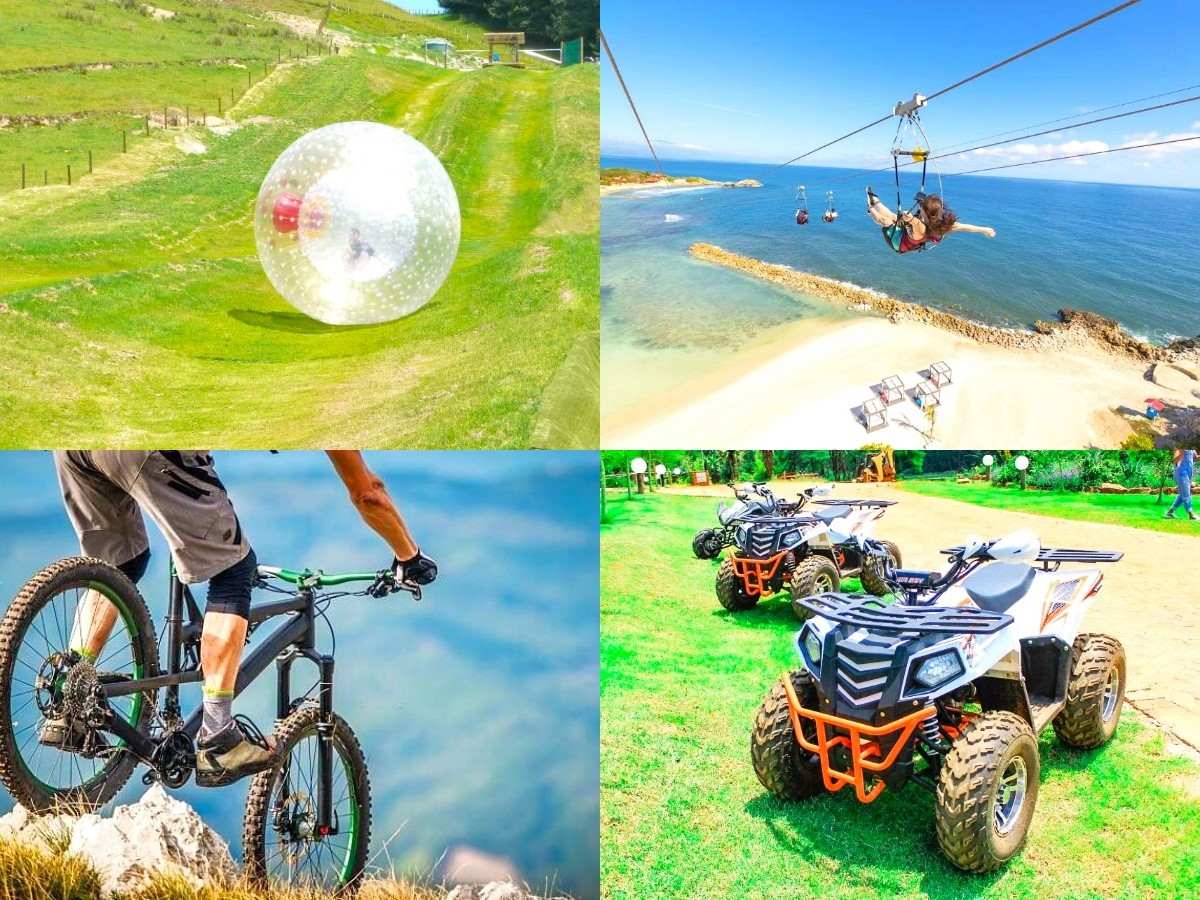
  • Participate in adventure activities like Paramotor, ATV Bike etc.

Languages

English

States

GUJARAT, INDIA

Activities

Para Motoring
All-Terrain Vehicle Tours (ATV)
Cycling Tour
Read More...

Activity List

Paramotor

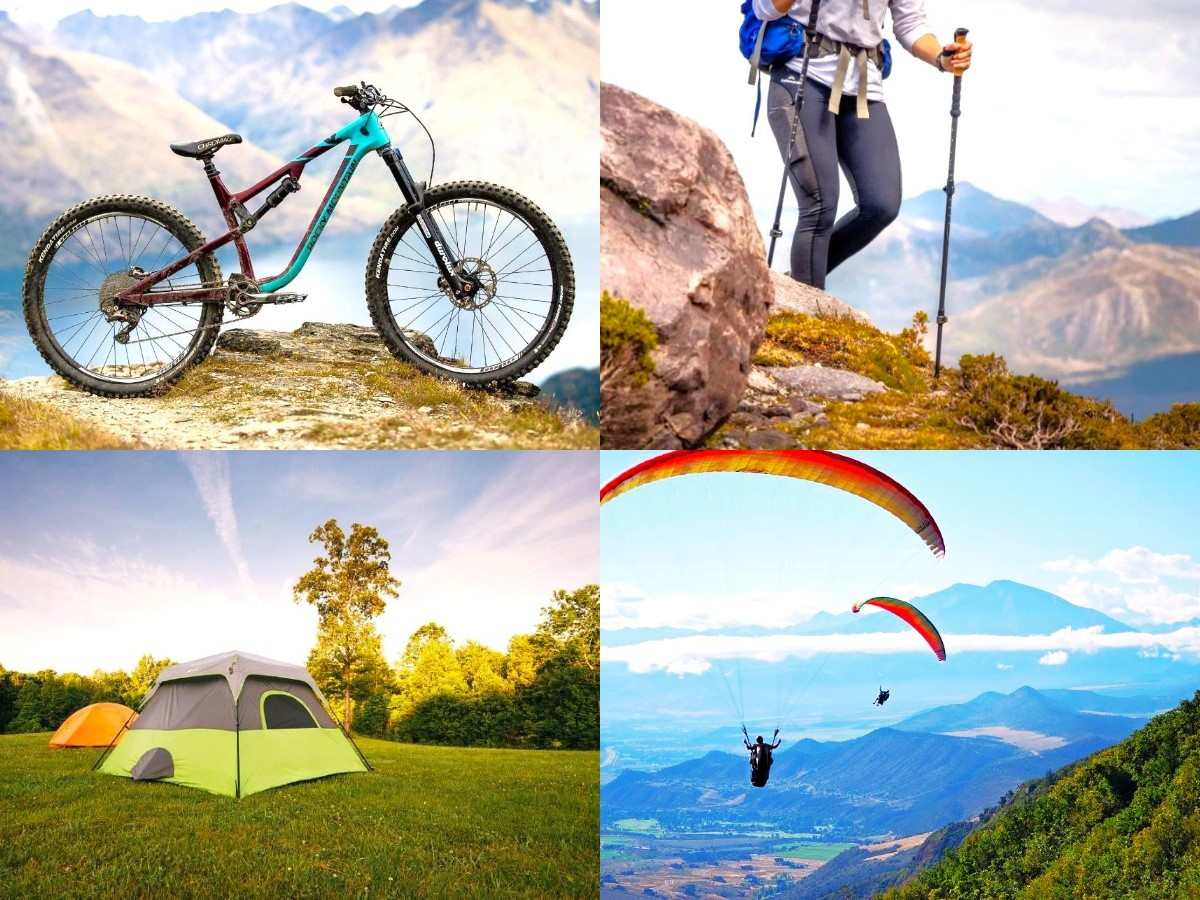
Paramotoring, a form of Powered Paragliding (PPG), allows tandem flights with a pilot for a thrilling and adventurous experience. Participants can soar high in the sky, enjoying the freedom of flight while experiencing the excitement of powered flight combined with the maneuverability of a paraglider wing.

Atv Biking

An ATV (All-Terrain Vehicle), commonly known as a "quad bike," is a rugged vehicle designed for off-road use. It features four wheels and is capable of navigating diverse terrains such as dirt trails, mud, sand etc. ATVs are also used in agriculture, hunting, and other outdoor activities requiring robust maneuverability.

Dual Biking

A dual cycle, also known as a tandem bicycle, is a bicycle designed for two riders, featuring two pedals and seats, with one person steering from the front. Tandem bicycles are used for recreational riding, touring, and competitive cycling events where teamwork and synchronization are crucial.

Activity Package

Activity Zone

Introduction-Identification, diversification, development, and promotion of niche tourism products in the country is the initiative of the Ministry to overcome the aspect of 'seasonality and to promote India as a 365 days' destination, to attract tourists with specific interest, and to ensure repeat visits for the unique products in which India has a comparative advantage. Thus, new products may be added in due course. The Ministry of Tourism has constituted Task Forces/Committees for the promotion of Golf, Medical/Wellness, Cruise and Adventure Tourism in the country. Guidelines have also been formulated by the Ministry to support Golf, Polo, Medical and Wellness Tourism. Accordingly, the following Niche Products have been identified by the Ministry of Tourism for development and promotion:


  1. Cruise
  2. Adventure Medical
  3. Wellness Golf V.
  4. Polo
  5. Meetings Incentives Conferences & Exhibitions (MICE)
  6. Eco-tourism ix. Film Tourism X. Sustainable Tourism.

Adventure Activities and their guidelines are given below

Adventure Activities

LAND BASED ACTIVITIES


All-Terrain Vehicle (ATV)

All-Terrain Vehicle (ATV)

ATV is an adventurous sport with an exciting and unusual experience which creates psychological and physiological arousal followed by a thrilling journey. People love the excitement that ATVs provide and the vast array of terrain that ATVsopen up for exploring. ATVs provide a lot of enjoyment for riders and be a worthwhile activity.

The ATV rides are always accompanied by the guides who ensure that all safety measurements are taken by the participants and children below the age of 16 are usually not allowed to participate in these rides. However, it is important to note that ATV tours can also be dangerous if proper safety measures are not taken. It is essential to wear appropriate safety gear, such as helmets and protective clothing, and to follow all instructions provided by the tour guide. It is also important to operate the vehicle responsibly and not exceed your skill level or the capabilities of the ATV.

All-Terrain Vehicle (ATV) tours are becoming increasingly popular in India, particularly in destinations that offer scenic natural landscapes and rugged terrains. Some of the popular destinations for ATV tours in India include:

Goa:The scenic coastal state of Goa offers a variety of ATV tours, ranging from beach tours to jungle tours. Participants can enjoy the thrill of riding through the rugged terrains of the Western Ghats, exploring dense forests and plantations, or cruising along the scenic beaches.

Rishikesh: Rishikesh is known as the adventure capital of India, and ATV tours are a popular activity here. Participants can explore the scenic hills and valleys, ride along the banks of the Ganges River, and visit remote villages.

Jaipur: The city of Jaipur in Rajasthan offers a unique ATV tour experience, where visitors can ride through the desert landscapes and explore the ancient forts and palaces.

Lonavala: The hill station of Lonavala in Maharashtra offers a scenic ATV tour experience, with riders exploring the lush green hills, waterfalls, and valleys.

Manali:The popular hill station of Manali in Himachal Pradesh offers a variety of ATV tours, ranging from short joyrides to longer tours that take participants through the scenic landscapes of the Himalayas.

It is important to note that while ATV tours can be a thrilling experience, safety should always be a top priority. Always wear appropriate safety gear, follow the instructions of the tour guide, and never exceed your skill level or the capabilities of the ATV.

Guidelines For All Terrain Vehicle (ATV) Tours

Adapted from guidelines available on the websites of the European ATV Safety Institute and All-Terrain Vehicle Safety Institute (USA).

Introduction

ATVs (also known as quad bikes), when operated properly, can be exciting and safe. However, their incorrect use can lead to serious injuries. Though ATVs are very similar to cars & motorcycles, their operation is very different. ATV operation requires a different level of instruction and training. These minimum standards have been outlined to promote safe practices among operators of ATV tours.

Guides

Guides supervising participants on All Terrain Vehicle (ATV). Accreditation given by any International Institute's may be accepted. Alternatively, the guide should have completed an in-house training programme which focusses on the following topics: -

a) An introduction to the ATV machine, protective clothing, equipment, and pre-ride

inspections.

b) Range signals, rules and warm up exercises.

c) Controls and starting the engine.

d) Starting out, shifting gears and braking.

e) Turning.

f) Riding strategies / risk awareness.

g) Riding circles and figures of eight.

h) Quicker turns.

i) Sharp turns.

j) Quick stops and swerves.

k) Quick stop in a turn.

l) Riding over obstacles.

m) Safe and responsible driving practices.

n) U-turns and traversing hills.

o) Circuit or Trail rides.

In addition, all guides must be familiar with (And assessed on) the operating manual(s) of the ATV(s) which they operate.

Customer Training

ATV operators should always follow the instruction in their Owner’s Manual for recommended operating techniques. All participants of an ATV tour must receive

a basic training course before their tour commences. The basic minimum training course should cover the following:

a) To mount and sit on the ATV correctly, locate and operate the controls, and dismount.

b) To use the brakes properly to bring ATV to a smooth, safe stop.

c) To demonstrate basic turning skills by shifting weight properly to maintain balance and avoid the possibility of losing control of ATV.

d) It is very important that all participants pay attention to the instructions provided by their guides.

Equipment

ATV Machine

 ATVs are subject to considerable wear and tear owing to the nature of their use outdoors. Therefore, only use an ATV from a reputable manufacturer and ensure maintenance is undertaken as per operating manual instructions.

Helmet:

The single most important piece of protective gear riders must wear is a helmet, which can help prevent serious head injuries. Wearing an approved motorcycle helmet does not reduce essential vision and hearing. Use either a full face or three-quarter (open-face) helmet. Helmets must be properly fitted to the participant – it should be snug, comfortable, and securely fastened.

Face shield or goggles

 If the ATV tour is in a jungle or in areas with dense foliage, a face shield or goggles should be used to prevent eye injuries.

Gloves

 Gloves should be of a quality that will help prevent your hands from getting sore, tired, or cold, as well as offering protection in the event of a spill/fall. Off-road style gloves, available at leading       motorcycle and ATV dealerships, provide the best combination of protection and comfort. They are padded over the knuckles for added protection.

Footwear

The minimum protective footwear is a pair of ankle-length shoes or boots with low heels to help prevent feet from slipping off the footrests.

Clothing:

It is important to protect your skin from scratches. A long-sleeved jersey/sweater, shirt or T-shirt and long trousers are requirements for rider protection.

Spares & First Aid

 It is recommended that guides carry an appropriate first aid kit and tool kit during an ATV tour. Examine the tool kit that came with your machine.

Inspections & Maintenance Procedures

Before commencing each trip, Guides must carry out an inspection of any ATV to be used by themselves of their customers, before each ride. An inspection will minimise the chance of injury or malfunction, ensure long-term usage of your ATV. The ASI uses the following basic T-CLOC checklist:

(T-CLOC stands for Tyres and Wheels, Controls and Cables, Lights and Electrics, Oil and Fuel, Chain/Drive Shaft and Chassis).

SOPs & Operating Instructions

SOPs have to be formulated for conduct of training programme and the same should be approved by the Tourism Department of the respective State Government. The following rules should apply to all participants and guides during an ATV tour:

a) All participants must wear a helmet and other protective equipment.

b) Always keep both hands on the handlebars and both feet on the footrests of ATV during operation.

c) Avoid paved surfaces – ATVs are designed to be operated off paved roads.

d) Avoid public roads unless the machine has been specifically manufactured for this purpose and complies with the relevant automotive licensing requirements for road use.

e) Never allow riding under the influence of alcohol or drugs.

f) Never carry a passenger unless the machine has been specifically designed and manufactured to do so.

g) Ride only on designated trails and at a safe speed as mandated by the manufacturer of the machine.

h) Extreme care must be taken not to undertake random off-roading as it has deep impact on the ecology of the area specially in regions like Ladakh.

Special arrangements for Children

a) Children under the age of 18 require parental consent to ride ATV and adult supervision.

b) ATVs are NOT toys and children aged below 18 years should only ride the right ATV for their age.

c) Always follow the manufacturer's minimum age recommendations which will be shown on the ATV or in the Operating Manual.

Documentation

The following is the basis minimum documentation required.

a) ATV and associated equipment purchase documentation, including warranty, service & maintenance history documentation.

b) Owner's / Operating Manual for each ATV.

c) Training and assessment log for all guides.

d) First aid certificates for all guides.

Risk Mitigation

A basic risk assessment should be conducted on any trail intended for the use of ATV tours before participants are permitted to use such a route.

An Emergency Action Plan must be in position and regular training imparted to the staff for the same.

 Emergencies and rescues

A first aid kit must be available and the venue/route itself must be easily accessible. In addition, a detailed emergency procedure must be written that includes contact numbers of the available emergency services. Evacuation routes and emergency procedures must also be included in the company's risk assessment.

Safety Briefing

A pre ride safety briefing covering all aspects of risks and action to be taken both by conducting staff and the participants should be covered in details, some aspects are highlighted below.

a) Rules and speed limits.

b) Wearing of protective gear.

c) ATV controls, operation and pre ride checks.

d) Rider responsibilities and risk awareness.

e) Group riding procedure to include lane position, following other vehicle, head lights, signals and parking.

f) Handling dangerous surfaces and any special riding conditions.

g) Indemnity bond by participant.

h) Avoiding alcohol prior to/during the ride.

i) Staying hydrated and rest stops.

Medical Concerns

These are of two types: personal and accident related during the ride. For personal medical conditions clients should be advised to carry medication and inform the ride leader. For accident-related concerns, the ride leader should have a plan in addition to a First Aid Kit.

Basic Minimum Standards for Grant of Recognition to ATV Operators

a)The agency must own ATVs and all accessories and safety gear as specified above. The ATVs must be well maintained,serviced and in perfect working order with the required documentation.

b) The agency must have at least two full time trained ATV guides dulyqualified (specified above) / knowledgeable about conducting ATV activity safely, group dynamics, rules, communication       skills and repairs / punctures etc. They must possess valid First Aid / CPR certification.

c) The operator must have SOPs for conducting ATV trips and an Emergency Action Plan for all trips.

d) A detailed risk assessment must be carried out prior to conducting ATV trips.

e) A list of hospitals in the vicinity of the tour should be carried by the ATV guides.

f) A detailed SOP for inspecting ATVs, documentation and safety gear prior to conducting trips must be in position.

g) The agency must have a registered office.

h) The agency must be registered with the local tourism authorities.

i) Local level certification for ATV Operators. This is desirable which can be implemented at State Government Level.

j) The company must follow a strict 'leave no trace' policy and conform to high sustainability standards.

Bungee jumping

Bungee Jumping

Bungee jumping is a popular adventure activity that involves jumping from a height while attached to a bungee cord. In India, there are several destinations where you can experience the thrill of bungee jumping.

Some of the popular bungee jumping destinations in India include:

Rishikesh: Rishikesh is known as the adventure capital of India, and it offers several bungee jumping options. Jumpers can experience a free fall from a height of over 80 meters above the Ganges River.

Goa:Goa is famous for its beaches, and it also offers bungee jumping over the stunning ocean views. The bungee jumping platform is set up on a 25-meter-high tower on the Baga beach.

Bangalore: In Bangalore, bungee jumping is offered at a height of over 80 meters at Ozone Adventures, which is located about 50 km from the city centre.

Lonavala: Lonavala, a popular hill station near Mumbai, offers bungee jumping at a height of 45 meters. It is a perfect location for people looking to experience the thrill of bungee jumping amid scenic beauty.

Delhi:In the National Capital, there is a bungee jumping facility located in the amusement park of the Entertainment City, which offers a 50-meter-high platform.


It is essential to note that bungee jumping can be dangerous, and it is necessary to follow the safety guidelines provided by the operators. Always check the credentials of the operator, and never attempt the activity if you have any medical conditions that could be exacerbated by the activity.

Guidelines For Bungee Jumping

Introduction 2.1 Bungy Jump is a land based extreme adventure sports activity in which the jumper is made to jump from a height with a rubber cord tied to his ankle. It is an extremely dangerous activity if proper precautions are not taken and safety procedures are not followed. However, once the safety procedures are followed and jump platform is constructed according to safety guidelines this activity is very safe and chances of accidents are greatly reduced.

Guides/Instructors

The jump staff particularly the jump masters should be properly trained and have vast experience in this activity. They should possess a calm and mature attitude and have an eye for detail/errors. They require a very high level of physical fitness, self-discipline, excellent communication and risk management skills and also the motivation to perform these activities.

Equipment

The equipment used for bungy jump should be certified and procured from reputed companies. The storage and maintenance of the equipment has to be proper. Regular inspection of the equipment should be carried out and record should be maintained. No unauthorized person should have access to the equipment. All the discarded equipment should be removed from the site and destroyed. Rubber has to be procured from a reputed and recognized source. Its shelf life should be recorded. The rubber has to be stored in a cool dark place and saved from UV rays. Regular inspection should be carried out. Bungee cords should be made by the jump masters and certified. The record of jumps must be maintained.

Inspection and Maintenance Procedures

The inspection should be done as per the Safety Manual. Daily, weekly and yearly inspection should be carried out and recorded. The record of all inspections should be entered in the safety log to be maintained at the site.Regular maintenance of the equipment being used must be done and recorded.

SOPs and Operating instruction

Since there are no Indian standards, it is recommended that operations are carried out as per Australian and New Zealand standards. No Dilution in these standards is acceptable. The site should have SOPs for operations and rescue drills. The age limit for bungy jumping is 12 - 45 years. Minimum weight allowed for a jump is 40 kgs and maximum weight allowed is 110 kgs.

Documentations

The following documents are required to be maintained at the site.

a) Record of equipment.

b) Safety log.

c) Maintenance log.

d) Record of rubber.

e) Jump log.

f) Incident folders.

g) Medical Record.

h) First Aid Kit Record.

i) Insurance Record.

j) Staff training record.

k) Dossier of Jumpmaster.

Risk Mitigation

The following measures will reduce the risk factor.

a) Every Jump should be treated as a first Jump

b) A highly experienced person should be appointed as the jump master.

c) Jump master’s word should be final and binding.

d) Continuous training of the staff.

e) Regular testing of the staff.

f) Regular practice of rescue drill.

g) Inspection and updating of the equipment.

h) Recording of the jumps.

i) All incidents to be reported, discussed and recorded.

j) Updating of safety procedures.

k) Motivation and welfare of the staff.

Emergencies and Rescues

The staff should be fully prepared to deal with the emergencies and carry out rescue as per the SOP without looking for orders and in minimum time frame. The following will help in mitigating risk:

a) Awareness of risks

b) Training in rescues

c) First Aid/CPR & other medical training of the staff

d) An Emergency Action Plan should be in position and training for the same provided periodically to the staff.

e) Doctor on call

f) Rescue evacuation to be worked out

g) Tie up with local hospital

h) Procedure for reporting of incidents

i) Insurance of the jumpers and staff

j) Funds ear marked and available for medical cover.

k) Regular briefing of the staff

Safety Briefing

Safety briefing to be given personally by the jump master and audio-visual briefing is also recommended. Disclaimer form should be signed by the jumpers. Safety briefing should be repeated before the activity. The safety measures should be displayed at a number of places prominently.

Medical concern

 The Medical restrictions should bedisplayed prominently. Fitness Certificate to be signed by the jumpers. No compromise to be made in case of any medical problem. Medical restrictions for bungy jumping include: 1. Heart problem 2. High blood pressure 3. Neurological disorder 4. Spondylitis 5. Back issues 6. Recent fracture, surgery or hospitalisation 7. Epilepsy 8. Osteoporosis 9. Pregnancy.

BASIC MINIMUM STANDARDS FOR GRANT OF RECOGNITION TO BUNGY OPERATORS:

Since there are no Indian standards, it is recommended that operations are carried out as per New Zealand standards (AS/NZS 5848:2000). This Standard specifies and gives guidance on the site and site approval, the design, testing and approval of equipment, the management of the operation, the operating procedures, the emergency provisions and procedures and registration of operating staff of a bungy jumping operation. No Dilution in these standards is acceptable.

It is highly recommended that any outfit, entity, establishment or company seeking grant for recognition must fulfil these desirable criteria:

a) The entity must own specialized certified equipment commensurate with needs of

undertaking and running such an operation (listed above).

b) The entity must have qualified personnel (minimum two full time qualified jump masters) on their payroll (listed above). These personnel must carry the requisite experience in the activity and have          valid First Aid & CPR certification.

c) The entity must operate with the required permits / licenses.

d) It is recommended that the entity is registered with the state tourism department / recognized by the Ministry of Tourism, Govt of India.

e) The entity must have a registered office.

f) The company must follow a strict 'leave no trace' policy and conform to high sustainability standards.

Cycling tours

Cycling tours

Cycling tours are a popular way to explore India and experience the diverse cultures, landscapes, and attractions of the country.Cycling tours are a popular way to explore India's diverse landscapes, from the rugged mountains of the Himalayas to the serene backwaters of Kerala. Some of the popular cycling tours in India include:

Ladakh: The rugged terrain of Ladakh offers a challenging yet rewarding cycling experience. The tour takes you through high altitude mountain passes, picturesque valleys, and remote villages.

Rajasthan: The colourful state of Rajasthan offers a cultural and scenic cycling tour, where you can explore the vibrant cities, ancient forts, and palaces, and stunning desert landscapes.

Kerala: The lush green landscapes of Kerala offer a relaxed and scenic cycling experience, where you can explore the serene backwaters, tea and spice plantations, and picturesque coastal villages.

Sikkim:Sikkim is a popular destination for cycling tours, offering stunning views of the Himalayan mountains, pristine lakes, and quaint villages. The tour usually covers cities like Gangtok, Pelling, and Ravangla.

Goa: Cycling tours in Goa offer a unique experience, with riders exploring the beaches, coastal villages, and scenic countryside. The tour usually covers cities like Panaji, Mapusa, and Old Goa.

Tamil Nadu:The temple towns of Tamil Nadu offer a cultural and spiritual cycling tour, where you can visit ancient temples, historic monuments, and traditional villages.

Himachal Pradesh:The scenic state of Himachal Pradesh offers a cycling tour through the Himalayas, where you can ride through stunning mountain landscapes, quaint villages, and picturesque valleys.

It is essential to choose a reputable cycling tour operator who provides quality bikes, experienced guides, and necessary safety equipment. Always carry adequate water and food, wear appropriate safety gear, and follow traffic rules and regulations. Cycling tours are an excellent way to explore India's diverse landscapes, culture, and traditions while promoting sustainable tourism practices.

Guidelines For Cycling Tours

Introduction

Bicycling tours in India have been managed by privately owned companies and do not fall under the purview of any government or any community-instituted central body. The Cycling Federation of India organizes races and tours for licensed elite athletes for prize money. Any tours where amateur athletes/ holidaymakers are entering into a commercial contract with a touring experience provider do not require any permissions from any sport related bodies.

Adventure Guides/ Instructors:Basic minimum qualifications and experience

 While there are no technical criteria of qualifications required, these are experiences that will help a tour leader ensure a successful trip:

a) Experience of being in the saddle and riding the distance covered per day. This will ensure that they are alert and not fighting their own fatigue. In a staged tour that lasts multiple days, the guests will experience cumulative fatigue; the tour leader cannot be in the same position. They need to have spent time cycling, so they do not experience saddle soreness and are able to help their charges and ensure a good experience for them.

b) Knowledge of the terrain being traversed, potential hazards of that area, typical weather conditions, in addition to knowledge of Hindi, English and or local language is required.

c) The knowledge to assess which customer needs what size of helmet and how to tighten or loosen the various straps to ensure a snug fit on their heads.

d) First-aid and CPR certification.

e) Basic knowledge of bike maintenance while on tour and fixing issues such aspunctures, gears not working well and other such minor repairs.

f) Owning a government authorized identity card and keeping it with them for the duration of the tour.

Training

 No specific training is required to be a cycling tour operator in India. However, it is helpful if the organizers meet the basic qualifications listed above. It will go a long way towards ensuring the safety and well-being of your clients and your own confidence in your operation.

Equipment required

Tour operators usually give their clients the option of bringing their own bicycles or providing bicycles to them.

a) In the former case, the minimum materials needed would be spares (tyres, tubes, tyre levers, patch kits, brake and gear cables and their housing, chains, chain links, lubricants, floor pump with presta and shredder valves, multi tool or allen keys, small screw drivers, duct tape and zip ties.

b) In the latter case, in addition to the above, add bicycle specific spare components such as brake shoes, drivetrain components, spokes, spoke wrench, etc.

c) Bikes should be delivered to the clients fully built and ready to ride after individual saddle height adjustments.


Cycling Grades

It is important to categorise the biking / road cycling itinerary with proper grades so that the clients can chose their trip as per their level of fitness and preparedness: Grade 1: Easy - For those new to cycling or who don’t have a high level of fitness. Easy combination of flatter or gently undulating routes. For riders seeking a very relaxed holiday. Beginners: 20-40 miles / 30-60 kms. per day.

Grade 2: Gentle - On undulating or rolling terrain, occasional moderate / challenging climbs. No high-altitude ascents & the odd short steep climbs. For semi-regular riders / relative novices wishing to gain experience & fitness. 40-50 miles / 60-80 kms per day.

 Grade 3: Moderate - For riders with experience, good fitness & a decent level of skill. Some features that may be experiencedmore frequently in a higher-grade tour. Most days include a couple of significant climbs. Some long days & some steep to very steep sections. Not for beginners. 45-60 miles / 70-95 kms per day.

Grade 4: Challenging - For cyclists with stamina & a good level of fitness. Long & challenging days with multiple tough or high-altitude ascents, with steep sections over extended distances. Long & often technically demanding descents. Road riding for experienced riders. 45-95 miles / 80-160 kms per day.

Grade 5: Demanding - Designed for cyclists with good stamina and a high level of fitness. Consecutively long, challenging days with multiple serious or high-altitude ascents. Frequent steep or very steep stages occasionally over extended distances. Includes long and often technically demanding descents. Serious road riding for experienced riders only. 60-100 miles / 95-160kms per day.

Equipment cares and maintenance

 Maintaining the bicycles is critical to ensure every group of customers has a good experience. To do so, here are components of the trip that need care:

Bicycles

a) Ensure the bicycles are given care after every trip. This would include:

i) Cleaning the bicycle.

ii) Lubricating the chain.

iii) Drivetrain service.

iv) Check chain health.

v) Check brake and gear cable tension.

b) Get a complete strip down service done with a trusted bicycle shop, for each bicycle every 1000 kms. You should get from them, a list of jobs carried out per cycle, parts replaced and have a sense of how long each of the parts are likely to last.

c) If the bicycles have been through a tough rocky terrain or a muddy region, inspection for damage and/ or sending them for inspection to a bicycle shop is recommended.

Helmets

a) Cycling helmets by respectable brands, stocked for all sizes from extra small (XS) to extra-large (XL).

b) It is mandatory to always use helmets on all rides and.

Lights

a) Head lights: Head lights that are powerful enough to see the road at night/ in foggy or rainy conditions. Typically, headlights with mounts, that can be removed easily when the bikes are being left by themselves.

b) Taillamps: Taillamps that are powerful enough to be visible and provide the option of rapid blinking, so they are more visible to oncoming motor vehicles.

c) Spare batteries for each of the lights.

Material carrying equipment& safety equipment

a) Panniers and racks for luggage.

b) Bungee cords to tie additional material to the bike rack.

c) Cable locks to lock the rear tyre, possibly the front tyre, the frame of the bicycle to a pole, a gate or a similar construction.

SOPs & Operating Instructions

SOPs:

a) Inspect gears 1-2 days before travel.

b) Check weather conditions.

c) Reach out to all service providers en route and get confirmations, if possible, on email, of the terms of agreement with them.

d) Check cash, cheque, and card usage en route and ensure there are sufficient funds.

Operating instructions

 Instructions for tour leaders to customers:

a) Give all customers a safety briefing at the start of the tour, such as not riding more than two abreast, right of way to larger vehicles, hand signals and following instructions of the tour leader.

b) Explain to them how the bicycle gear’s function.

c) Get them used to riding on seat posts, heights that are higher than what they arelikely to be used to, from childhood, if these are inexperienced cyclists.

d) Explain the importance of a helmet to be worn at all times on the saddle, the right way to wear one snugly and the importance of wearing a helmet of the correct size.

e) Check for medication clients are on and ensure that they are carrying sufficient dosage for the duration of the tour.

 f) In case of self-guided trips, the guides MUST give the travellers a briefing of do’s and don’ts including how to engage with the locals and where to stop / not stop.

g) Self-guided riders must check in with the local operator on a daily basis to update them on their wellbeing.

Documentation

a) Maintain a log book of all gear (cycles, helmets, racks, panniers, backpacks, lights, locks, etc.).

b) Copies of permits to enter a region, if relevant.

c) Copies of the tour operator’s credentials.

d) Copies of the identity and emergency contact details of each client.

e) Mandatory insurance copies of each client.

 f) List of doctors & hospitals as well as ambulance providers along the route.

 g) List of reliable bicycling stores (which manage the cycle brands being used) along the route.

 h) Emergency Action Plan.

Risk Mitigation

 Risk to humans

a) Recommend a comprehensive medical check-up prior to a tour. Ask for a doctor’s certificate of fitness while signing up for the trip, if the distance and terrain are challenging.

b) Ensure customers have medical insurance and that copies of the insurance are handed over to the guide before the start of the trip.

c) Ensure you have information like blood group, known allergies, known medical conditions, emergency contact persons (at least two names and numbers).

d) An indemnity form signed by each tour participant that states that they are taking sole responsibility for their own well-being during the trip and this legally keeps the tour leader and touring company        safe.

e) In case of self-guided trips, a detailed briefing covering the cultural situation in India, safety of women etc. should be given prior to commencement of the trip.

Equipment risk

Tour operators must ensure that:

a) A comprehensive first-aid kit is carried on the trip. Do ensure that all medicines are within expiry period.

b) All bicycles are in good condition to ride – this should be confirmed by a service professional.

c) Lights (head lights and taillamps) on all bicycles.

d) Helmets for all riders.

e) Support vehicle is close-by at all times.

f) In a group with people of varied abilities the operating company must ensure that there is a leader and follower for every day.

Emergencies & Rescues

a) To deal with an evacuation required due to natural disasters etc., assess emergency evacuation procedures for the various places the tour will go to.

b) In an emergency situation, the touring group takes and follows instructions from the tour leader. This information needs to be communicated to the group at the start of every tour.

c) The Tour Leader must assess the situation and administer first aid as appropriate and call for back-up as soon as possible.

d) To deal with cases of medical emergencies, assess proximity to hospitals, time taken to reach there and mode of transport.

e) If there is a medical emergency and the tour leader is occupied with the emergency, the company must set a practice of how to manage the rest of the group.

Safety briefing

Leaders are required to give a brief demonstration of the bike (brakes, gears, any possible adjustments). It is recommended this happens before clients are given their individual bikes to ensure that they all focus on the explanation. The briefing to the clients must include:

a) Keeping identification with them always.

b) Taking ownership for assessing if they feel unwell or not up to the trip at any point and alert the tour leader.

c) Riding safely, riding as per traffic rules.

d) Keeping their helmet on at all times, while on the saddle.

e) Using lights when conditions require it.

 f) Cleaning bicycles and keeping them ready for the next day of travel.

g) Following instructions of the tour leader at all times, especially emergencies briefings during the trip:

Evening briefings: On the evening prior to each ride the leader must explain the next day’s riding to the whole group. Points covered will include:

i)Using a map to show the overview of the route for the day.

ii) Any included transfers needed as part of the travel on that day.

iiii) Expected distance of the days ride.

iv) Expected terrain (road surface, ascent, and descent).

v) Planned stops: notable rest stops, lunch, and any visits.

vi) Where the ride will finish and the accommodation, they will be using that night.

Next section’ route descriptions

 At rest stops and re-grouping points during the ride leaders are expected to give short ‘next section’ briefing to let clients know what is coming up:

i) The distance and approximate duration of the next section.

ii) Any known hazards (road surface, heavy traffic, steep descents, difficult route finding etc) and how to avoid them.

iii) Any directions and junctions the group should look out for.

iv) Points of interest to look out for

 v) The next planned stopping or regrouping point.

Medical concerns

 Covered above.

Basic Minimum Standards” for grant of recognition to operators

a)Tour operator organization to have:

i) Minimum two personnel qualified for the job (specified above).

 ii) First aid /CPR certified personnel.

iii) Well maintained bicycles, (if being offered),basic safety equipment and tools.

 iv) Knowledge of the region – history, geography and culture; permits needed for the region, inherent risks (natural, political, social, etc.).

v) Registered office.

vi) Recognition by local / state tourism department.

b) Tour leaders with experience of:

i) Riding bicycles on the road for multiple days and riding the distance covered by the tour.

ii) Good communication skills.

iii) Ability to converse with government authorities and get relevant permissions.

iv) Ability to plan and schedule all events in advance.

v) Ability to deal with and iron out issues on the trip.

vi) Administering first aid and helping clients with medical insurance should the situation arise.

c). The company must follow a strict 'leave no trace' policy and conform to high sustainability standards

Section for Mountain Biking

 Guidelines for mountain biking tours are similar to biking. There are some additional MTB specific guidelines a tour operator must ensure:

Trail rules for mountain biking

a) Ride open trails only:

i) Do not use prohibited trails. Innational parks only designated trails are permitted.

ii) Take necessary permission for restricted trails. Reserve forests may issue entry ticket with fees.

iii) Respect land rules for open trails.

b) Leave no trace:

i) Wet and muddy trails are more vulnerable to damage than dry ones.

ii) When trail is soft, consider other riding options. Do not create new trails or cut switchbacks.

 iii) Do not ride around standing water, it widens the trail.

iv) Pack out as much as you pack in. Also consider picking up any litter on the trail.

c) Control your bicycle:

i) Lack of attention even for a moment can lead to serious problems for the rider and others.

d)Follow suggested speed limit.

e)Trail etiquette:

i) Make all efforts to alert other trail users. A friendly greeting or ringing the bell will do.

ii) All downhill users must yield to uphill users.

iii) All mountain bikers must yield to trekkers and animals on trails.

iv) Always anticipate other trail users around corners.

f)It is important to watch out for animals on the trail.

g)Plan ahead for unusual conditions:

i) Know your equipment, ability, terrain, riding conditions, weather and available resources on route.

ii) Always stay in touch with your group.

iii) Carry clothes for change in weather conditions.

 iv) Strive to be self-sufficient.

v) Follow all safety rules.

Camel safaris

Camel safaris

Camel safaris are a popular way to explore the desert landscapes of India, particularly in the state of Rajasthan. Camel safaris offer a unique experience, allowing participants to explore the remote villages, historic forts, and palaces of the state while enjoying the slow-paced, traditional mode of transport. Some of the popular destinations for camel safaris in India include:

  1. Jaisalmer: Jaisalmer is known as the "Golden City," and it offers a unique desert experience, with riders exploring the sand dunes, remote villages, and historic forts. The tour usually covers cities like Jaisalmer, Bada Bagh, and Sam Sand Dunes.
  2. Bikaner: Bikaner offers a unique desert experience, with riders exploring the sand dunes, remote villages, and historic temples. The tour usually covers cities like Bikaner, Gajner, and Khimsar.
  3. Jodhpur: Jodhpur offers a unique desert experience, with riders exploring the sand dunes, remote villages, and historic forts. The tour usually covers cities like Jodhpur, Osian, and Khimsar.
  4. Pushkar: Pushkar offers a unique desert experience, with riders exploring the sand dunes, remote villages, and historic temples. The tour usually covers cities like Pushkar, Ajmer, and Nagaur.Top of Form

5. Osian:Osian, located in the Thar Desert in Rajasthan, offers camel safaris that cover the sand dunes, remote villages, and ancient temples of the region.

Guidelines For Camel Safaris

Camel Guides: Basic minimum qualifications and experience

a) The animal should be healthy and of a good size. The camel should not be too young since a young camel is often not strong enough to carry the weight of a rider. b) All camels in Rajasthan are Dromedaries (with a single hump) and the saddle used on safaris seats two people. Two persons should get on the same camel only if their combined weight is below 65 kgs.

c) The tack used on the camel must be of good quality and comfortable for both camel and rider.

d) Stirrups must be provided with the saddle for the riders. e) The girth must be secured properly, otherwise the saddle might slip and it is a long way down for the rider.

Training Programmes for Camel Guides shouldinclude:

a) Good desert knowledge and field training in desert ecosystems.

b) Provide vernacular medium literature for local guides.

c) Training in soft skills like communication, hospitality & hygiene.

d) Importance of being well turned out.

e) First Aid training to handle medical emergencies and also scaled viper bites and scorpion stings.

f) For multiday camel trips it is recommended to limit distance per day to under 20kms on camel back.

Suggested Minimum Qualification and Experience for Camel Guides:

 a) First Aid certification.

b) Should have comprehensive knowledge of desert ecosystems.

c) Minimum five years’ experience of working with animals.

Equipment required while on camel safari

 a) Good Binoculars/ Spotting Scope.

b) Optional - Good camera.

c) Books and Field Guides for Desert Birds/Mammals/Snakes/Insects etc are a must.

Equipment care and maintenance:

 Camels must be treated well and looked after.

Inspection & Maintenance Procedures

a) Health of the camels must be monitored on a continuous basis.

 b) There is a need for regular refresher courses and certification for guides.

c) Medical kit to be checked for expiry dates of medicines.

d) Binoculars have moving parts and are very sensitive equipment. They need regular checks for fungus and parallax.

SOPs & Operating Instructions

a) Weather/ climate briefing: Before setting off on a Camel Safari, the guide must brief the client on expected weather conditions during the trip, trip duration and safety factors.

b) As dehydration is a distinct possibility on a camel safari, sufficient fluids and light refreshments for any unexpected delays should be carried.

c) The guides should be well trained and serve as good ambassadors of the country. d) The guides should brief guests about local traditions and customs.

Documentation

a) The guests must sign the disclaimer before they get on the camel.

 Risk Mitigation

a) The Camel handler must not be allowed to ride on the same camel as the guests. b) The guests must be briefed properly about how they should transfer their weight when the camel stands up and sits down. (In order for the rider to mount and dismount).

c) Problems associated with stings and bites are a possibility. Do brief the clients to be sufficiently prepared and appropriately dressed.

 d) Camel Safari can bring in clients who are unfit/ or allergic to certain weather conditions. Brief medical condition of the client should be known. Specific instructions to carry the necessary medicines – owing to the paucity of good medical help in close proximity to wilderness areas, should be conveyed to the field staff prior to the trip.

Emergencies & Rescues

a) All resorts, trail leaders and guides must be aware of the nearest medical facility and the evacuation means.

b) Guides must know basic first aid to handle heat stroke and other weather-related issues.

c) Emergencies could most often be due to medical condition of the client or due to snake bite/sting.

d) A comprehensive Emergency Action Plan should be in position. All field staff must be trained and familiar with the Emergency Action Plan.

Safety briefing

Briefings for a good camel safari experience should include the following: a) Appropriate dressing for the season.

b) Any medicines that might need to be carried and rehydration fluids.

c) There are very few field toilets in India. Use of the bush needs utmost care.

d) Ensuring zero garbage and a strict ‘leave no trace’ policy in wilderness areas. There is a need to take back all garbage to the base camp.

Medical concerns

 a) Elderly clients and clients with need of regular medicines should be warned of poor medical facilities in the proximity of wilderness areas.

b) First aid kits with material like sanitary napkins should be carried on the trip.

“Basic Minimum Standards” for grant of recognition to operators

 The Adventure Tourism industry is now moving towards Environmentally Responsible Operators and expects certain basic standards to be maintained like:

a) Responsible Tourism with sensitivity to the local people and their culture must be an integral part of the trip. A Waste Management Plan should be in place.

b) Interpretation: This is one of the most important activities to educate and involve clients. Camel safari operators must invest in training good guides.

c) Supporting local population and economy: Operators must be able to employ and capacity build local population to benefit from tourism. As far as possible the handicraft purchasing policy must reflect ‘Buy Local’ policy. It supports the local economy and operators can provide their clients with a realistic local experience.

d) CSR Activity: Operators should be supportive of the local needs of education, medical and sporting activities.

It is highly recommended that any outfit, entity, establishment or company seeking grant for recognition as a camel safari operator must fulfil these desirable criteria:

a) Camel safari operators must own / have access to good quality riding equipment like saddles and tack.

b) The entity must have qualified personnel (minimum two full time qualified staff) on their payroll. The entity must operate with the required permits.

I) It is recommended that the entity is registered with the state tourism department / recognized by the Ministry of Tourism, Govt of India.

ii) The entity must have a registered office.

iii) The camel safari company must follow a strict ' leave no trace' policy and conform to high sustainability standards.

Horse Safaris

HORSE SAFARIS

Horse safaris in India are a wonderful way to experience the country's diverse landscapes and rich cultural heritage. India has a long and fascinating history of equestrianism, with horses playing an important role in many aspects of Indian life.

Horse safaris in India are typically led by experienced guides who are knowledgeable about the local culture and history. The horses used for these safaris are typically well-trained and suitable for riders of all levels, from beginners to experienced equestrians.Here are some popular horse safari destinations in India:

  1. Rajasthan: The state of Rajasthan is a popular destination for horse safaris in India, with its vast deserts, forts, and palaces. Some of the popular horse safari routes in Rajasthan include the Aravalli Range, Shekhawati region, and Ranthambore National Park.
  2. Ladakh: The high-altitude region of Ladakh in northern India offers stunning vistas of snow-capped mountains and vast plateaus. Horse safaris in Ladakh typically start from Leh and take you through remote villages and scenic mountain passes.
  3. Uttarakhand: The state of Uttarakhand in northern India is known for its pristine natural beauty and charming hill towns. Horse safaris in Uttarakhand usually take you through the Kumaon region, passing through lush forests, picturesque valleys, and scenic villages.
  4. Karnataka: The southern state of Karnataka offers horse safaris through the Western Ghats, one of the world's biodiversity hotspots. These safaris take you through coffee plantations, spice gardens, and lush forests, and offer an opportunity to spot exotic wildlife like elephants and tigers.
  5. Maharashtra: The state of Maharashtra in western India is home to several national parks and wildlife reserves, making it an excellent destination for horse safaris. Some popular horse safari routes in Maharashtra include the Tadoba-Andhari Tiger Reserve, Sanjay Gandhi National Park, and the Sahyadri Range.

A word of caution here, most riders tend to overestimate their riding abilities. Most riders do not realize that a well-schooled, advanced, powerful horse could severely injure a rider who is not well-matched. Therefore, it is imperative to match the right horse to a rider to avoid accidents.

In general, horse safaris in India can range from a few days to several weeks, and can be customized to suit your interests and budget. It's important to choose a reputable tour operator who can provide well-trained horses, experienced guides, and all the necessary equipment for a safe and comfortable trip.

Guidelines For Horse SafarisTop of Form

Suggested Minimum requirements:

Equipment:

a) The equipment used on the horses should be of specified standard quality. Eg. Saddle and tack.

b) All people conducting horse safaris should be able to provide proper safety helmets, clothing and riding equipment.

c) The tack and saddle must be of high quality. Good quality saddles are not only for the comfort of the rider but it is also for the comfort of the horse. A good fitting saddle will minimise saddle sores for the animal.

d) The bridle and bits used must not be severe. A severe bit can seriously injure a horse if not used correctly. A simple snaffle or French link bit is ideal and recommended. In short, the tack must not cause pain or injury to the horse or rider in any way.

Guides:

a) Horse riding guides should be accomplished riders and have a good knowledge of the terrain.

b) Guides should have valid FA certification and regular refresher courses to recertify them should be conducted.

c) Guides should be well trained and serve as good ambassadors of the country.

d) Guides should brief guests about local traditions and customs.

e) Guides must have on them the following equipment:

i) Binoculars/ Spotting Scope.

ii) Books and Field Guides for Birds/ Mammals/ Snakes/ Butterflies/ Insects/Amphibians.

iii) First aid kit. iv) Torch, GPS, maps.


SOPs & Operating Instructions

For horses and equipment care

a) The horses should be preferably owned by the service provider. This will ensure the quality of the horses, the basic well-being of the animal and that the horse is healthy enough to do the safari (not lame or malnourished).

b) Quality check of riding equipment before every season is a must.

c) Guides should check medical kits for expiry dates of medicines.

For safaris

a) Weather briefing: Before setting off on a horse ride, the guide must brief the riders on expected temperatures/ rain during the trip.

b) Dehydration is a worry and a vehicle with water and light refreshments for any unexpected delays should accompany the riders and meet them at different pre-scheduled spots along the trail.

c) Garbage disposal is a big issue while visiting remote areas. Empty chips, wrappers are salt laced and there a chance of wild animals swallowing them and choking and dying.

d) The distance covered in a day’s ride should not exceed 35 to 40 kms and that too if the riders are experienced.

e) An experienced rider should weigh less than 90 kgs and an inexperienced rider should weigh less than 85 kgs.

f) The horses and their well-being must come first. Utmost care should be taken in case of soreness or injury to the horse. An injured horse must be replaced.

Documentation

a) A disclaimer must be signed by all riders before they are allowed to get on the horse.

b) Complete information of all riders including emergency contact details should be present with the operator.

c) An Emergency Action Plan should be in position.

d) Contact numbers of local hospitals, ambulance and police stations.

Risks

 a) Falls from a horse are a possibility.

b) Horse going violent in certain situations cannot be ruled out.

c) Medical facilities are poor in wilderness areas.

Risk Mitigation

 Horse riding comes with a number of risks including dehydration, exhaustion and injuries. Stings and bites (also from horse flies) are also a possibility.

To mitigate these risks: -

a) Briefing riders to dress appropriately is the first step.

b) The person conducting the safari must be an accomplished rider and should be able to gauge the ability of clients and set the pace accordingly.

c) The riders must not be allowed to gallop off on their own even if they are experienced riders as they are riding in unfamiliar terrain.

d) The activity providers should have prior knowledge of allergies/ other medical ailments vis a vis rider and be prepared to handle medical issues.

e) The guides must know basic first aid and should carry a comprehensive First Aid kit.

f) As emergencies like snake bites and bee stings need immediate assistance, evacuation/ access to the nearest Primary Health Centre/ Civil Hospital should be planned for.

Emergencies & Rescues

a) All guides and horse safari operators must be aware of the nearest medical facility and evacuation procedures.

b) An Emergency Action Plan must be in position.

Safety briefing to riders should include the following points:

a) Riders must have the necessary gear on them before they mount the horse.

b) A well fitted riding helmet is a must.

c) Boots with heals are recommended to stop the foot from sliding too deep into the stirrup. Half Chaps are ideal. They are easy to pack and serve the purpose of a full-length riding boot.

d) Appropriate clothes for the season.

e) The riders must carry a day pack with rehydration fluids, personal medicines, sun block, sun screen etc.

f) There are very few field toilets in India. One has to be extremely careful when using the bush.

g) Must ensure zero garbage policy in wilderness areas. They should be asked to take back all garbage back to resort/ base camp.

“Basic Minimum Standards” for grant of recognition to operators:


It is highly recommended that any outfit, entity, establishment or company seeking grant for recognition as a horse safari operator must fulfil these desirable criteria:

a) The horse safari operator should preferably own the horses or the operator should have the ability to hire horses appropriate for the safari. This will ensure the quality of the horses, the basic well-being of the animal and that the horse ishealthy enough to do the safari (not lame or malnourished).

 b) Horse safari operators must own high quality riding equipment like saddles, tack and helmets.

c) The entity must have qualified personnel (minimum two full time qualified staff) on their payroll (specified above). These personnel must carry the requisite experience in horse riding and have valid        First Aid & CPR certification.

i) The entity must operate with the required permits.

 ii) It is recommended that the entity is registered with the state tourism department / recognized by the Ministry of Tourism, Govt of India.

iii) The entity must have a registered office.

 iv) The horse safari company must follow a strict 'leave no trace' policy and conform to high sustainability standards.

Jeep Safari

Jeep Safari

Jeep safaris in India are a popular way to explore the country's diverse landscapes and wildlife.Jeep Safaris provide opportunities to explore the incredible wilderness and majestic landscapes and opportunities to discover the unique customs, lifestyles and cultures of people in faraway lands. It then becomes the solemn duty of all those conducting safaris, to preserve and protect all that they showcase. Here are some popular jeep safari destinations in India:

Ranthambore National Park: Located in the state of Rajasthan, Ranthambore National Park is one of the best places in India to spot tigers in their natural habitat. Jeep safaris in Ranthambore usually last for about three hours and are conducted in the early morning and late afternoon.

Jim Corbett National Park: Located in the state of Uttarakhand, Jim Corbett National Park is known for its diverse wildlife and stunning landscapes. Jeep safaris in Jim Corbett National Park take you through dense forests, grasslands, and riverbeds, and offer a chance to spot tigers, leopards, elephants, and several other species.

Kazi Ranga National Park: Located in the state of Assam, Kaziranga National Park is a UNESCO World Heritage Site and home to the largest population of one-horned rhinoceroses in the world. Jeep safaris in Kaziranga offer an opportunity to spot these majestic animals, as well as elephants, tigers, and several bird species.

Bandhavgarh National Park: Located in the state of Madhya Pradesh, Bandhavgarh National Park is known for its high density of tigers and its stunning landscapes. Jeep safaris in Bandhavgarh take you through dense forests, grasslands, and rocky hills, and offer a chance to spot tigers, leopards, and several other species.

Nagarhole National Park: Located in the state of Karnataka, Nagarhole National Park is known for its diverse wildlife and stunning landscapes. Jeep safaris in Nagarhole take you through dense forests, grasslands, and riverbeds, and offer a chance to spot tigers, leopards, elephants, and several bird species.


In general, jeep safaris in India can range from a few hours to several days, and can be customized to suit your interests and budget. It's important to choose a reputable tour operator who can provide experienced guides, well-maintained vehicles, and all the necessary equipment for a safe and comfortable trip.


Guidelines For Jeep Safari

Jeep Safari Vehicles: Basic requirements

The most important feature in this activity is the vehicle: -

a) Road worthy condition of the vehicle to be checked before each trip, norms to be fixed to ensure the physical fitness of drivers whenever necessary.

b) The tyres should have correct air pressure.

c) Any modifications done to the seating etc must be of the highest quality ensuring complete safety standards. There should be no sharp edges in the welding work. There should be enough leg and head room for the comfort of the passengers.

d) The seats should all be forward facing and seat belts are a must.

e) There must be a well-equipped First Aid Kit and a fire extinguisher in every vehicle.

f) It must look good from outside as well as inside. The vehicle interior (upholstery, carpet, overhead luggage racks etc.) shouldbe absolutely neat and clean. The windows must be spotlessly clean.

Safari Drivers: Basic minimum qualifications and experience

a) Drivers must have a valid driving license.

b) They must be experienced. In case of “off-roading”, they must have the expertise to navigate their vehicle through difficult terrain.

c) The driver should ensure that all permits are acquired before the trip and guests are not kept waiting during the journey for want of any documentation.

d) Need to conduct regular Training Programmes for Drivers. A comprehensive syllabus for drivers to be developed which should include the following points:-

i) Training should focus on honing basic vehicle maintenance, driving & off-road driving skills

ii) Drivers should wear seat belts and ensure that the occupants also always use seatbelts.

 iii) No drinking / use of illicit drugs and driving.

iv) Mobile telephones should be kept on silent mode while driving.

v)Good understanding of local customs and traditions is a must to prevent any conflicts.

vi)Soft skills like hospitality and hygiene should be looked into. The drivers must be polite and well-turned out.

vii) First aid training to handle common medical emergencies and also bites and stings.

e) No refueling to be done with guests on board.

Equipment required in vehicle

a) First aid kit.

b) Fire Fighting equipment.

Equipment cares and maintenance

a) Regular vehicle maintenance is a must for safaris.

b) Additionally, kit must have belts, fuses, spare tyres and tools.

Inspection & Maintenance Procedures

a) There is a need for regular refresher courses for Jeep Safari Drivers.

b) Firefighting equipment and medical kit to be checked for expiry dates.

SOPs & Operating Instructions

a) Drivers should be permanently employees of the safari service provider.

b) The drivers should know their vehicles well.

c) Vehicles should be properly inspected before every safari and a major inspection every 3 months.

d) Garbage is one of the most dangerous problems created by tourism. Drivers should carry all garbage back.

e) Drivers shall not operate a vehicle while under the influence of alcohol, drugs, narcotics or medication that could impair their ability to safely operate the vehicle.

f) Drivers must not operate vehicles unless adequately rested and alert.

g) Drivers must remove the ignition key, put parking brakes on and lock the doors when leaving the vehicle.

Documentation

 a) In case of a self-drive safari, the guest must possess a valid driving license. The vehicle being driven must be insured along with third party insurance. Proper instructions must be given and briefings must be conducted before the drive, by the instructors.

b) An indemnity form must be signed by guests before they undertake the safari.

Risk Mitigation

a) The code of conduct for drivers should be reinforced before every safari.

b) Regular maintenance of vehicles will assuredly mitigate the risk of breakdowns.

Emergencies & Rescues

a) All drivers and trail leaders must know basic first aid.

b) They should be aware of emergency evacuation procedures in case of an accident.

c) They must be aware of the nearest medical facility along the route.

d) Emergencies could most often be due to bites/ sting, sun stroke and other weather-related situations. Emergencies like snake bites and bee stings need immediate assistance. Evacuation/ access to the nearest Primary Health Centre/ Civil Hospital should be planned for.

e) Winches, tow ropes, sand shovels and other rescue tools must be carried on the trip.

f) Walkie talky sets must be carried on the trip and convoy safety must be a part of the safety briefing prior to the trip.

Safety briefing

Trip leader briefing to guests before a Jeep Safari should include the following:

a) Guests should inform trip leader about any medical concerns and if any specific medicines need to be carried for that.

b) There are very few field toilets in India. Use of bush needs utmost care.

c) Ensuring zero garbage in wildernessareas. There is a need to take back all garbage back in the vehicle.

d) Elderly clients and clients with need of regular medicines should be warned of poor medical facilities in the proximity of wilderness areas.

Basic Minimum Standards” for grant of recognition to operators:

Basic Minimum Standards for grant of recognition to operators It is highly recommended that any outfit, entity, establishment or company seeking grant for recognition as a jeep safari operator must fulfil these desirable criteria:

a) The entity must either own vehicles or be able to hire good quality vehicles commensurate with needs of undertaking and running such an operation.

b) The entity must have qualified personnel (minimum two full time qualified staff) on their pay roll. These personnel must carry the requisite experience in the activity and have valid basic First Aid &      CPR certification.

c) The entity must operate with the required permits/licenses.

d) It is recommended that the entity is registered with the state tourism department/recognized by the Ministry of Tourism, Govt of India.

e) The entity must have a registered office.

f) The jeep safari company must follow a strict 'leave no trace' policy and conform to high sustainability standards.

Motorcycle Tour

Motorcycle Tour

India is a popular destination for motorcycle tours, offering a unique and exhilarating experience for riders. However, it's important to plan carefully and ensure you have the necessary documents, equipment, and knowledge to stay safe on the road.India offers a vast and diverse landscape, making it an ideal destination for motorcycle tours.

Here are some tips for planning a motorcycle tour in India:

  1. Research the best routes: India is a vast country with diverse landscapes and cultures. Do your research to find the best routes that suit your interests and riding style. Some popular routes include the Himalayan region, the coastal roads of Goa and Kerala, and the Golden Triangle (Delhi-Agra-Jaipur).
  2. Get the necessary permits: You will need a valid international driver's license to ride in India. You may also need permits to ride in certain regions, such as Ladakh or Arunachal Pradesh. Make sure you have all the necessary permits before starting your journey.
  3. Rent a motorcycle: There are many companies that rent motorcycles in India, including Royal Enfield and Harley Davidson. Make sure you choose a reliable rental company and check the condition of the motorcycle before renting.
  4. Pack the right gear: India can have extreme weather conditions, so make sure you pack appropriate gear for your trip. This includes a helmet, protective clothing, rain gear, and sturdy boots.
  5. Stay safe on the road: Indian roads can be chaotic and congested, so it's important to stay alert and follow traffic rules. Be aware of other vehicles, pedestrians, and animals on the road. Also, make sure you have adequate insurance coverage before starting your trip.
  6. Experience local culture: India is known for its rich culture and history. Take the time to explore local markets, temples, and monuments along your route. Try local cuisine and interact with locals to get a true taste of India.

With proper planning and preparation, a motorcycle tour in India can be an unforgettable adventure.

Here are some of the top places for motorcycle tours in India:

  1. Ladakh: Ladakh, also known as the Land of High Passes, is a popular destination for adventure enthusiasts. The region offers stunning views of snow-capped mountains, vast deserts, and serene lakes. The roads in Ladakh are challenging, but the scenery is worth it.
  2. Rajasthan: Rajasthan is known for its rich history, vibrant culture, and royal architecture. The state offers a variety of terrains, including desert, hills, and plains. The roads are well-maintained and offer a smooth ride.
  3. Kerala: Kerala is a tropical paradise with lush green forests, backwaters, and beaches. The coastal roads offer stunning views of the Arabian Sea, while the hill stations provide a cool escape from the heat.
  4. Himachal Pradesh: Himachal Pradesh is known for its snow-capped mountains, alpine forests, and meandering rivers. The roads in Himachal Pradesh offer a thrilling ride, with hairpin bends and steep drops.
  5. Tamil Nadu: Tamil Nadu is known for its rich culture, ancient temples, and stunning beaches. The roads in Tamil Nadu are well-maintained and offer a smooth ride.
  6. Goa: Goa is a popular destination for beach lovers and partygoers. The coastal roads offer stunning views of the Arabian Sea, while the inland roads take you through quaint villages and scenic routes.

These are just a few of the top places for motorcycle tours in India. Remember to plan carefully and stay safe on the road.Adventure activities by their very nature involve some risks, these regulations are being introduced to ensure that tour operators who offer motorcycle adventure tours, have basic safety and operating standards in place.These regulations will give both foreign and domestic tourists confidence that appropriate steps have been taken to keep them safe and mitigate the risks involved.

Guidelines For Motorcycle TourTop of Form

Applicability

These regulations will apply to operations and services of travel agencies and tour operators, who organize or sell, motorcycle tourism related services to public for business purposes.

Objective 

To increase safety consciousness among tour operators as well as enabling tour operators to determine safety standards which apply to motorcycle tour operations and expeditions.

Adventure Guide/Instructor – Basic Minimum Qualifications and Experience

Who is an Operator? Any person whether employer, a principal, or self-employed person who provides an adventure activity to a person directly or indirectly for a payment, the purpose of which can be educational/recreational/ business and deliberately exposes the participant to a risk of a possible serious harm.

 Basic Qualifications/Requirements

 A tour guide/instructor should possess these basic minimumqualifications/experience.

a) Drivers Licence. Operator should have held a full motorcycle licence for a minimum of 5 years, and have adequate experienceof riding in all types of terrains in India - Himalayas, Coastal, Deserts, National parks etc.


b) Should preferably have completed a basic motorcycle safety course from a recognised Institute.

c) Should have basic knowledge of the working and running repair of a motorcycle, that is being used in the expedition.

d) Should have valid first aid and CPR certification.

 e) Have adequate computer skills and ability to handle/operate a GPS.

f) Have basic map reading skills and ability to use a compass.

g) Have customer handling and motorcycle group management skills.

h) Possess adequate know how of traffic rules and general rules and regulations of area of operation.

i) If the customer group does not speak Hindi or English, the operator must have a Guide who speaks the language of customer rider.

 j) For an expedition that is more than 4 days or operates in remote areas or had a group size more than 7 riders, a backup logistic truck may be provided. This could carry additional baggage, mechanical spares, reserve fuels etc.

Equipment Required

Based on the type of expedition and its duration, there is a comprehensive list of equipment that may be carried on a guided tour. Some basic essentials are listed below which, the operator must have and a recommended list for the client. The instructions to this effect must be conveyed to the customer, well in advance so that they come suitably prepared.

a) A suitable motorcycle according to the route planned. They could bring their own or may be rent it from the provider.

b) Suitable apparel according to the weather and safety gear to include certified safety helmet, high ankle boots, gloves, riding jacket, rain gear etc.

c) Communication equipment radio/ mobile/satellite phones (if applicable).

d) Marked Maps, GPS with pre-fed maps and route-distance Charts.

e) Handy tools and spares to carry out basic wilderness repairs including puncture repair kit.

f) First aid kit and if operating in a high-altitude area an oxygen cylinder and emergency contact numbers in case is assistance required for causality evacuation. g) Recording and photographic media with adequate batteries and power banks.


Equipment Care, Maintenance and Inspection

a) Operators must ensure that the vehicles used to provide a service are maintained to a standard that complies with or exceeds the servicing program specified by the manufacturer. Road worthy condition of the vehicle to be certified for each trip, norms to be fixed to ensure the Physical fitness of drivers whenever necessary.

b) A complete comprehensive review by a specialist should be done before every ride to ascertain top condition of engine, body, brakes, lights and tyres before letting a vehicle on rental/tour.

c)The inspections should include the following:

a) All controls, cables, lights, and battery.

b) All fluids engine, coolant, clutch and brakes.

c) Tyres, chain/belt and sprocket, suspension.

d) All major systems e.g., electrical, fuel, ignition, and engine etc.

Additionally, a system of daily checks should be in place to ensure optimum availability of a safe motorcycle during the day of ride.

SOP’S And Operating Instructions and Documentation

All operators must have in place a system of standard actions to be taken for various contingencies to ensure a satisfactory and consistent response to a situation and help provide a safer expedition environment. It is not possible to have a SOP for all possible contingencies, but at a basic level should cover following situations:

a) Pre ride checks and briefings to include local traffic rules.

b) Actions to be taken in case of motorcycle failure/accident.

c)Medical emergency response, minor/ major injury and evacuation.

d) Lost party member tracking and retrieval.

e) Group riding rules including night riding.

f) Motorcycle and safety gear inspection.

Documentation

a) All necessary government registrations, clearances and permits for tour operations.

b) Driving licences, motorcycle documents.

c) All insurances (both for equipment and personnel).

d) Carnets and overland permits. (As applicable)

e)International driving licences.

Risk Mitigation

  • Risk management and mitigation in its broadest term is to understand the risk involved in a particular activity and to take appropriate steps to reduce or nullify the same. For example, hot weather riding, following can be done to mitigate the risk involved – cover up, hydrate, avoid caffeine, replace electrolytes, start early stop early and cool down. Similarly rainy weather, cold weather, Himalayan trail etc. requires specialist handling of riding group.
  • There are two types of risks - subjective and objective. Subjective are inherent to the rider’s attitude. Objective are created by environmental, motorcycle, road and rider health conditions, these are the ones that tour operators need to focus on. Additionally, a written risk assessment should be carried out for each excursion/ tour. Involving identification and analysis of all contingencies and dangers involved, actions should be taken to mitigate these and participants should be informed of these special circumstances.


Emergencies And Rescue

 Emergency on a motorcycle tour can be majorly of two natures - equipment failure/ accident or medical nature e.g., a minor fall may just require first aid or a serious injury may require evacuation. Therefore, depending on severity of both detailed action plan / SOP should be available with the ride leader, including things like contact numbers of emergency services, to implement.

Safety Briefing

A pre ride safety briefing covering allaspects of risks and action to be taken both by conducting staff and the participants should be covered in details, some aspects are highlighted below.

a) Local traffic rules, speed limits and documents to be carried on person.

b) Wearing of protective gear.

c) Motorcycle controls, operation and pre-ride checks.

d) Rider responsibilities and risk awareness.

e) Group riding procedure to include lane position, following other vehicle, head lights, signals and parking.

f) Handling dangerous surfaces and any special riding conditions.

g) Night riding and fatigue.

h) Indemnity bond by participant.

i) Avoiding alcohol prior to/during the ride.

j) Staying hydrated and rest stops.

Medical Concerns

 These are of two types: personal and accident related during the ride. For personal medical conditions the client should be advised to carry sufficient medication and inform about the same to the ride leader. For accident related the ride leader should have a plan in addition to a well-stocked First Aid Kit.

Infections- An antibacterial disinfectant soap / sanitiser should be recommended to keep infections at bay.

 Inoculations-When travelling in rural areas have vaccinations against cholera andtetanus. Consult your local clinic for up-to-date information.

Acute Mountain Sickness- This applies to tours in Ladakh and high-altitude rides. Acute Mountain Sickness (AMS) is an illness that can affect travellers at high altitude (typically above 10,000 feet or 3,050 meters). Tour leaders must have full knowledge of handling customers in such an environment - precautions and emergency procedures.

“Basic Minimum Standards for Grant of Recognition To Operators:

 a) The agency must own or have the ability to hire suitable, registered motorcycles and all accessories as specified above. The motorcycles must be well maintained, serviced and in perfect working order with perfect documentation/insurance.

b) The agency must have at least two full time trained motorcycle trip leaders dulyqualified/knowledgeable about leading motorcycling trips safely, group dynamics, traffic rules, communication skills and field repairs/punctures etc. They must possess valid First Aid/CPR certification.

c) The operator must have SOP’s for different itineraries/motorcycling trips offered and Emergency Action Plans for all trips.

d) A detailed risk assessment must be carried out by the trip leaders with the backup team prior to conducting any trips.

e) A list of hospitals, police stations and workshops along the route should be carried by the trip leaders.

f) A detailed SOP for inspecting motorcycles, documentation, and safety gear prior to conducting trips must be in position.

g) The company must follow a strict 'leave no trace' policy and conform to high sustainability standards.

Mountaineering/Rock Climbing

MOUNTAINEERING/ROCK CLIMBING

Mountaineering is the sport or activity of climbing mountains. It involves climbing high peaks, typically over 6,000 feet (1,800 meters) in elevation, and may require specialized equipment, technical skills, and physical fitness.

Mountaineering can be done for various reasons, including personal challenge, adventure, exploration, scientific research, or simply for the enjoyment of nature and the outdoors. Mountaineers may climb peaks in different ways, such as by rock climbing, ice climbing, or mixed climbing (a combination of rock and ice).

Mountaineering can also involve different types of climbs, such as alpine climbing, which involves climbing peaks in high-altitude and rugged terrain, or expedition climbing, which involves climbing in remote and harsh environments for extended periods of time.

While mountaineering can be a rewarding and exhilarating experience, it also carries inherent risks, such as exposure to extreme weather conditions, avalanches, falls, and altitude sickness. Therefore, proper training, preparation, and safety measures are crucial for any mountaineering adventure.

Guidelines For Mountaineering

Lead guides and instructors who are leading mountaineering activities should, as a minimum, hold valid certificates in the following:

a) A minimum 16 hour (2 day) First Aid/ CPR course provided by a recognized and qualified provider.

b) Completed the Advanced Mountaineering Course from any of the National Mountaineering Institutes and carry a certificate duly authenticated by an IMF recognized body OR IMF accredited tour operator stating that the individual “has experience of 3 years in assisting mountaineering expeditions at altitudes of 6000m min 5/8 climbs above 6000m clearly reflected in a logbook duly authenticated/ validated by the operator and the clients”.

c) Maintain a logbook containing authenticated records of mountaineering experience.

d) All guides to have a comprehensive understanding of altitude sickness, recognising its symptoms, treatment, knowledge of appropriate medication is essential to work at high altitude.

e) They should also have a sound knowledge of cold weather problems like hypothermia/ frost-bite.

EquipmentTop of Form

The correct use and proper maintenance of climbing equipment is essential for conducting mountaineering activities and should never be taken lightly.

Equipment, especially safety equipment should be of the highest standard available and preferably certified by ISI or an international body like CE or UIAA.

Rope – There are many different types of ropes. The operator and leader must have sound knowledge of specifically designed climbing rope, including the different types and applications. Climbing rope comes in different diameters and specifications but the basics are dynamic, semi static and static. A safe working load of 25KN (2.5 tons) and CE approval is the internationally recognized standard for climbing ropes.

Hardware (anchors, carabineers, belay devices etc.) – There is a wide range of climbing aids and devices and the operator and instructor must have sound knowledge of their applications including which devices are necessary to conduct mountaineering activities safely. These devices are also a “link” in the safety chain. As per all other climbing equipment items a safe working load of 25KN (2.5 tons) and CE approval is the internationally recognized standard for climbing hardware and devices.

All equipment is subject to wear and tear and must be checked before every use. Incorrect storage, use and monitoring of rated and approved equipment is usually the cause of equipment failure. Operators and leaders must have sound knowledge of this and have systems in place in order to control and manage their equipment.

Inspection And Maintenance Procedures

Inspections and maintenance require sound knowledge of the systems and equipment themselves and therefore must be carried out by qualified persons. As a minimum, the inspector must be qualified to be a guide/instructor. Basic inspections must be carried out before every use with complete and detailed inspections carried out on a regular basis in accordance with their operations procedures and risk assessments.

SOP’Sand Operating Instructions

All Mountaineering Tour Operators must maintain and update a Standard Operating Procedure for their operations and get the same vetted from IMF from time to time.

Besides covering the methodologies that are adopted by the agency in organizing the expedition, such as assessing of members qualification, medical condition and experience, procedures for obtaining of various permissions, travel to the mountain, maintenance of base camp including hygiene, avoidance of high altitude sickness, safety precautions, communication, weather reports, procedure for emergencies, casualty evacuation, incident and accident reporting and feedback mechanism, the following must be included in the SOPS:

a) The guiding staff and porters on the mountain and the material supplied must be adequate for the aims of the party and stated level of service offered.

b) An experienced doctor in the party is desirable but at the very least advance arrangements must be known for medical help. Advance arrangements must also be made for evacuation assistance in case of an emergency.

c) Advertising must give a true picture of all the difficulties and dangers involved and avoid promising the impossible. If an expedition is commercially launched by an operator, then the biographical information about the guiding team should be included.

d) The client must truthfully reveal his experience, supported by documentation/ photograph, medical history etc to the organizer so that the organizer can make an informed choice about the potential client.

e) Information supplied in advance will include a clear statement of the guiding, porters and equipment which will be supplied by the organizer, together with details of the clothing and equipment to be supplied by the client. This is not in context of the operators’ assisting expeditions with logistics alone.

Documentation

The tour operator must maintain, at the minimum the following documentation:

a) Details of all Guides and Instructors including, copies of certifications, record of expedition experience and feedback from clients.

b) Copies of all Permits and Permissions of current expeditions.

c) Copies of identification documents, Insurance cover and details of next of kin for all participants, guides, and instructors.

d) Copy of SOP's.

e) Current list of emergency contact numbers.

f) Emergency Action Plan

Risk Mitigation

In order to mitigate the risk of high altitude, the following is advised:

a) Participants should be physically and medically fit.

b) To ensure that at least one or two members of the expedition have experience of high altitude climbing.

c) To provide wireless sets or take on hire from IMF, for communication between camps on the mountain and the base camp.

d) To bring radio receiving sets in case weather forecasts by All India Radio are required to be arranged by the IMF.

e) To ensure that environmental safeguards are implemented in their programme so that the area and peak visited by them suffers no damage, and is left clean for subsequent expeditions.

f) Environment guidelines provided by IMF shall be followed strictly.

Emergencies and Rescues

In addition;

 a) Adequate first aid medical equipment must be available. Pulse Oximeters to be part of the FA kit.

b) Evacuation routes must identify and known to participants, guides and instructors of the team.

c) A detailed and documented Emergency Action Plan must be available at the base camp along with closest available emergency services which can be called upon as required.

d) Oxygen and OR Gamow Bag (PAC/ Certec etc) to be at base camp for emergencies.

e) Walkie-talkies at base camp and with the group whenever they are out climbing and all the camps where climbers are.

 f) Routes with highly avalanche risks or history of avalanche accidents should carry Avalanche transceivers, Shovel & probe also.

g) The operator must announce the maximum group size up front. The maximum group size should be fixed depending on the kind of mountains. We can divide them into two categories:

1. Trekking Peaks & Mountaineering Expeditions

2. Trekking

Safety Briefing

The lead guide / expedition leader must give a proper briefing to expedition members before starting from the base camp and this should include:

a) Exact route, campsites, and places where ropes have been fixed. Hazards on the mountain and expected weather.

b) The protocol to be followed during the climb. Details on SOP’s to be followed. c) Role of the expedition lead guide and assistant guide.

d) Procedures to be followed in an emergency.

Basic Minimum Standards for Grant of Recognition to Operators

It is highly recommended that any outfit, entity, establishment, or company seeking grant for recognition must fulfil these desirable criteria:

a) The entity must own specialized equipment commensurate with needs of undertaking and running such an operation (listed above).

b) The entity must have qualified personnel (minimum two full time qualified staff) on their payroll (listed above). These personnel must carry the requisite experience in the activity and have valid First Aid & CPR certification.

c) The entity must operate with the required permits / licenses.

d) It is recommended that the entity is registered with the state tourism department / recognized by the Ministry of Tourism, Govt of India.

e) The entity must have a registered office.

f) The mountaineering company must follow a strict 'leave no trace' policy and conform to high sustainability standards.

Nature Walks / Bird Watching

Nature Walks / Bird Watching

Nature walks are typically leisurely walks taken through natural areas, such as parks, forests, or along coastlines, with the purpose of enjoying and learning about the natural surroundings. During a nature walk, one can observe and appreciate the different plants, trees, animals, and landscapes that make up the natural environment.A nature trail or nature walk is a specially developed hiking trail or footpath that runs through the countryside, along which there may be marked stations or stops next to points of natural, technological, or cultural interest. These may convey information about, flora and fauna, soil science, geology, mining, ecologyor cultural history.

Bird watching, also known as birding, is a popular activity that involves observing and identifying birds in their natural habitats. Bird watchers may use binoculars, spotting scopes, and field guides to help them identify different species of birds.It often involves a significant auditory component, as many bird species are more easily detected and identified by ear than by eye. Most birdwatchers pursue this activity for recreational or social reasons, unlike ornithologists, who engage in the study of birds using formal scientific methods. Bird watching can be done in various settings, such as forests, wetlands, and even urban areas, and it can also involve keeping track of bird sightings and participating in citizen science projects.


Guides/ Instructors:

 Basic minimum qualifications and experience:

a) Preferred bachelor’s degree in Botany Zoology., Forestry Sciences, Conservation, Environmental Science.

b) Field training in multiple ecosystems to prepare guides for different locations.

c) Thorough knowledge of the local area or the bird watching site.

d)Good bird knowledge – migration/ distribution of species/endemic bird species.

e) Provide vernacular medium literature for local guides.

f) Comprehensive syllabus for Guides to be developed.

g) Need to understand safe distance necessary to be maintained to prevent animal/insect attack/charge.

h) Emergency manoeuvres in case of a charge by an animal.

i) First aid and CPR knowledge/certification


Equipment Required

a)Good binocular / spotting Scope.

b) Field book / guide on Birds / Mammals/ Snakes / Butterflies/ Insects/ Amphibians etc are a must.

c)Good camera.

d) A notebook for recording time and place of bird sightings.

e) First aid kit.

f) Kit: Measuring tape, magnifying glass, torch light, GPS, POP powder and kit, camera trap etc.


Inspection & Maintenance Procedures

a) Binoculars have moving parts and are very sensitive equipment and can easily be mishandled. They need regular checks for fungus and parallax.

b) Medical kit to be checked for expiry date of medicines.

c) There is a need for regular refresher courses for Guides.


SOPs & Operating Instructions

In order to provide clients with a good wildlife experience, while maintaining a safe distance from animals - guides need a training programme. Some of the most important areas that need to be covered include:

a) Weather/climate briefing: Before setting off on a Birding / Nature Trail, the guide must provide clients sufficient brief on the expected heat/ cold/ rain etc during the trip. Clients need to dress accordingly and to be prepared for personal and equipment protection.

b) Dehydration is a reality. Sufficient fluids and light refreshments for any unexpected delays should be carried. This becomes even more important with medical backgrounds of some clients that may not be known.

c) Garbage is one of the most dangerous problems created by Wildlife Tourism. Empty chips wrappers are salt laced butthe animals are unable to lick the salt from inside the wrappers. Hence the packets are swallowed by animals leading to their choking and death.

d) Knowledge and experience of the Guides is often the limiting factor in providing clients with a good experience. Resorts must invest in good Guides/ Naturalists.

e) Interpretation: On return from Safari/ Trail, the Resort Guide/ Naturalist must ensure a good post trail de-brief to provide the tourists with a good experience. Resorts/ campsites must also invest in a good library with field guides and interpretation material

 f) Our presence alone is responsible for a significant pressure on the forest. We need to prevent further increase by crowding, teasing, feeding, using flash etc.

g) Collecting souvenirs like antlers, feathers, bones, shells and plant parts is illegal and strictly prohibited. Guides should not budge to client pressure to provide these materials.

h) Sight of nesting birds is uncommon. However, we must understand that this is a very sensitive period for the bird. They can be threatened by our very presence. At such times, extreme care needs to be taken while photographing bird activity. Photographing birds on their nests is strictly forbidden.


Documentation

Lists of bird observations compiled by members of local bird-watching societies are very useful in determining dispersal, habitat, and migration patterns of the various species.


Risk Mitigation

a) Wildlife Tourism comes with a different set of risks. While conflict with large animals are rare and few, it is the problems associated with stings and bites that are a reality. Briefing the clients to be sufficiently prepared and well-dressed is the first step

b) Wildlife Tourism can bring in clients who are unfit/ or allergic to certain weather conditions. Brief medical condition of the client should be known (such as asthmaand bee sting allergies) and with very specific instructions to carry the necessary medicines – owing to the paucity of good medical help in close proximity to wilderness areas.

c) Wild animals are unpredictable. But certain situations can easily be prevented:

i) Coming too close to animals is dangerous.

 ii) Mothers with young ones are easily provoked.

 iii) Use of flash can anger even the most docile animals.

iv) Feeding of animals is prohibited. However certain animals can attack even on realising the existence of food. E.g., monkeys and langoors can snatch food.

v) Handling snakes is dangerous. This must be done only by a trained handler. However, in a situation where there is no such handler, care must be taken to provide the snake with an exit route. Identifying venomous and non-venomous snakes should be left to experts. All snakes should be handled with due care.

Emergencies & Rescues

All Resorts, trail leaders and Guides must be aware of the nearest medical facility and evacuation means.

a) Guides must know basic first aid/CPR

b) Emergencies could most often be due to medical condition of the client or due to snake bite/ sting.

c) Bee stings can become life threatening. You do not always need venomous snakes to run into an emergency.

d) Sun stroke and other weather-related situations can get aggravated on long exposure.

e) An Emergency Action Plan should be in position. All field staff must be periodically trained in the Emergency Action Plan.


Safety briefing

 Briefings for a good wildlife experience should include the following:

a) Appropriate clothing for the season and camouflage.

 b) Any medicines that might need to be carried and rehydration fluids.

c) There are very few field toilets in India. Use of bush needs utmost care. Clients should use the washroom prior to leaving for the nature walk / birding. d) Noise disturbs animals – while most animals will shy away, some like juvenile elephants and wild boars may charge.

e) Ensuring zero garbage policy in wilderness areas. There is a need to take all garbage back to resort/base camp.


Medical concerns

a) Elderly clients and clients with need of regular medicines should be warned of poor medical facilities in the proximity of wilderness areas.

b) Emergencies like snake bites and bee stings need immediate assistance. Evacuation/ access to the nearest Primary Health Centre/Civil Hospital should be planned for. Anti Snake Venom cannot be normally stored and administered by untrained personnel.

c) First aid kits should be carried on the trail /maintained at locations.


Basic Minimum Standards” for grant of recognition to operators

The Wildlife Tourism industry is now moving towards Environmentally Responsible Operators and expects certain basic standards to be maintained like:

a) All bird watching / nature walk trips should follow a strict ‘leave no trace’ policy. Responsible Waste Management plan should be in place to segregate/ compost waste generated.

b) Multi Activity Resorts: Resorts must not depend only on a single activity like a Safari for its clients. Instead, effort must be made to give them a comprehensive ‘Wild Experience’ with activities like cycling, bird watching, adventure, community interaction, farming and harvesting among others. This will not only reduce the pressure on the Wilderness – but also help the Resort to increase business by increasing options for more night stays.

c) Interpretation: This is one of the most important activities to educate and involve the client. Resorts/ Campsites must invest in training good guides.

d) Supporting local population and economy: Resorts/ Campsites must be able to employ and capacity build local population to benefit from tourism. As far as possible the purchase policy must reflect a ‘Buy Local’ policy. It supports the local economy and Resorts can provide their clients with a realistic local experience. Most importantly, it reduces the environmental cost of food material due to transportation.

e) CSR Activity: Resorts/ Campsites should be supportive of the local needs of education, medical and sporting activities.

f) Trained guides: as highlighted above.

g) The activity provider must follow all guidelines as listed in the Global Sustainable Tourism criteria.


Risk Analysis and Management Process

 Risks- Accident, injury other forms loss

 a) Dehydration

b) Sunburn/Heat stroke

c) Stings

d) Injury/bruises/lacerations

e) Lost person

f) Animal attack

Causal Factors

Hazards, perils, dangers People

a) Making noise and displaying aggressive behaviour

 b) Not carrying enough water, sunscreen, hat or appropriate clothing to protect from weather

c) Photographers getting too close/ using flash on nesting birds/ animals

Equipment

a) Inappropriate clothing

b) lacking water bottles

c) Insufficient 1st Aid Kit

Environment

a) Heat/ Cold

b)Rough weather

c) Bees/ plant inducing allergies. Etc

Risk Management Strategy

 Normal Operation - People

a) Explain that if tourists are hyper active - they will lose the privilege of the wildlife experience and will need to turn back

Normal Operation - Equipment

a) Confirm that clients are carrying water and light snacks. Are appropriately dressed with cap/ hat

b) Participants should dress up in camouflaging clothes

c) Well equipped First Aid kit to be carried

Normal Operation - Environment

a) Check for honey combs and presence of sloth bear/ honey buzzard nearby

 b) Check for condition of vehicle.

 Emergency

a) Know where the nearest hospital is, ensure that the guide knows basic first aid

b) A vehicle on call for Emergency evacuation should be available

Guidelines Recommended

a) Recommended not to do some walking trails when it is raining, Look out for areas that will be slippery, any falls would be serious

b) Areas with tigress with cubs need to be avoided

c) Photographing birds on nest to be totally avoided

Skills Required by Staff

 a) Guides to have knowledge of first aid and should have a well-equipped First Aid kit

b) Thorough knowledge of wildlife and terrain

c) Driver to be able to undertake minor repairs of the vehicle

Rock Climbing / Artificial Wall Climbing and Abseiling

Rock Climbing / Artificial Wall Climbing and Abseiling

Rock climbing is a sport that involves ascending steep or vertical rock faces using specialized equipment such as ropes, harnesses, carabiners, and other safety devices. It requires a combination of physical and mental strength, technique, and endurance to successfully reach the top of a climbing route.

Artificial wall climbing is similar to rock climbing, but instead of climbing natural rock formations, climbers scale artificial walls made of materials such as wood, plastic, or metal. These walls can be found in climbing gyms, outdoor parks, or other designated areas.

Abseiling, also known as rappelling, is the act of descending down a vertical or near-vertical surface, such as a rock face or a building, using a rope and a specialized device called a descender. It is a crucial skill in rock climbing, canyoneering, and other outdoor activities that involve steep descents.

All three activities require a certain level of physical fitness, strength, and agility. Climbers must also have good problem-solving skills, as they need to assess the best route to take and make quick decisions to navigate the terrain safely. It is also important to have proper training, equipment, and safety protocols in place to minimize the risk of injury or accidents.

Terms and definitions

 a) Single Pitch – An easily accessible climbing venue where both top and bottom of the climbing surface can be accessed safely by foot without the need for personal protective equipment and roped systems.

b) Fixed protection systems – “Bolts” or “anchors” specifically designed and fitted for the purpose of attaching roped systems to a structure/natural climbing venue.

c) The safety chain includes the anchor; the rope; the carabiners and slings; the knots; the harness and the alert belayer.

d) Bottom roping where the belayer is situated at the bottom of the climb and the rope is directed through an anchor at the top of the climb and back down to the climber.

e) Top roping where the belayer is situated at the top of the climb and the rope is directed from the belay system directly to the climber.

 f) Lead climbing where the climber places protection during the climb and has no roped protection above.

g) Leader placed protection is protection specifically designed for the use of lead climbing and rigging where no fixed protection is available.

h) Fall factor a method in which to scale the severity and force of a fall.


Guidelines For Rock Climbing / Artificial Wall Climbing and Abseiling

Guides and instructors who are supervising climbing and abseiling activities should, as a minimum, hold valid certificates for the following:

a) A minimum 8 hour (1 day) first aid course provided by a recognised and qualified provider.

b) Basic Mountaineering Course from any of the National Mountaineering Institutes and be certified by a MOI Qualified Instructor to have assisted climbing and abseiling activities for a minimum of 100 hours OR Indian Mountaineering Foundation (IMF) recognised Sports Climbing Instructors course or should have sufficient experience certified by suitably qualified Coaches/Instructors duly recognised by IMF.Top of Form

Equipment

a) The correct use and proper maintenance of climbing equipment is essential for conducting safe climbing and abseiling activities and should never be taken lightly.

b) Although these standards do not cover the fitting or construction of fixed protection systems, these systems should be rated by the manufacturer and have a quantifiable safe working load. As a minimum standard for such systems, operators must adhere to a safety factor of 3 in accordance to the operator's’ weight limitations. In addition, fixed protection systems must be proven to withstand 10KN (1 ton) without displaying any visible deformation or damage. In order to fully understand appropriate fixed anchor/ protection systems an operator must also have sound knowledge of static/dynamic load and fall factors.

c) Rated and quality assured personal protective equipment or PPE must be used. An internationally recognised safe working load for such equipment is 25KN (2.5 tons). In order to comply with this standard, it is recommended that all PPE is CE (European Conformity) approved. Here is a list of the minimum PPE requirements for an average climbing and/or abseiling session:

d) Harness – The single most important piece of personal protective equipment which allows the climber to be safely attached to the roped system and is also a “link” of the safety chain. Harnesses however do not fit themselves and when fitted incorrectly introduce further risk due to providing a false sense of security. For this reason, all harnesses must be checked by a qualified leader to ensure they are fitted correctly prior to leaving the ground and being exposed to a potential fall.

e) Helmets – Climbing helmets are designed to withstand impact from above by falling rock and equipment, NOT the head impacting on the ground from a falling climber. As such, it is the responsibility of the owner/operator to deem if a climbing helmet is necessary in accordance with their risk assessments. The general rule however is that in natural rock venues use a helmet; in bottom rope artificial venues a helmet is optional; in top rope/abseil artificial venues, use a helmet. If in doubt, use a helmet.

f) Rope – There are many different types of rope. The operator and leader must have a sound knowledge of specifically designed climbing rope, including the different types and applications. In order for the operator or leader to fully understand the applications or different climbing ropes they must also fully understand fall factors. Climbing rope comes in different diameters and specifications but the basics are dynamic, semi static and static. The operator must consult the manufacturer’s manual to ascertain its intended use. Rope not intended for climbing is made with different materials and has different specifications.

Rope that isn’t designed specifically for the use of climbing and abseiling activities must NEVER be used for this purpose. A safe working load of 25KN (2.5 tons) and CE approval is the internationally recognised standard for climbing rope.

g) Hardware (carabiners, belay devices etc.) –There is a wide range of climbing aids and devices and the operator and instructor must have a complete and sound knowledge of their applications including which devices are necessary to operate climbing and abseiling activities safely. These devices are also a “link” in the safety chain. As per all other climbing equipment items a safe working load of 25KN (2.5 tons) and CE approval is the internationally recognised standard for climbing hardware and devices.

h) All equipment is subject to wear and tear and must be checked before every use. Incorrect storage, use and monitoring of rated and approved equipment is usually the cause of equipment failure. Operators and leaders must have sound knowledge of this and have systems in place in order to control and manage their equipment. Details of how to do this is included in the Indian Climbing Leader Award.

Inspection and maintenance procedures

 Inspections and maintenance require sound knowledge of the systems and equipment themselves and therefore must becarried out by qualified persons as a minimum the inspector must be qualified to be a guide/ instructor. Basic inspections must be carried out before every use with complete and detailed inspections carried out on a regular basis in accordance with their operations procedures and risk assessments.

SOPs and operating instructions

a) For rock climbing and abseiling, the systems required at each individual venue vary. The following is the minimum requirement and standards that apply to all climbing and abseiling activities.

b) The safety chain

i) The Anchor – Is permanent and been fitted with the intention to be used for this particular activity. Has been tested to withstand a minimum of 10 KN (1 ton). Does not show any signs of damage or deformity.

ii) The rope – Is a climbing rope that has been made by an approved manufacture. It is the correct type of rope for this particular activity. It does not show any signs of damage or deformity i.e. excessive “fluffing”, cuts, rips or tears, thin bits, fat bits etc. Is correctly secured to the anchor.

iii) The carabiners and slings – Equipment is for its intended use only. There are no signs of damage, deformity or wear and tear. Are correctly secured.

iv) The knots – Are the correct knots. Have been double-checked before exposing anyone to a potential fall.

v) The harness – There are no signs of damage, deformity or wear and tear. Is correctly fitted.

vi) The alert belayer – Has the belay device fitted correctly. The belayer knows how to use the device. The belayer alert, paying attention to the climber and performing the correct 5-point belaying technique (covered in the Indian Climbing Leader Award).

c) During all following applications and systems, and in line with the exception of this minimum standard, neither the instructor nor participant should ever be subject to potential fall greater than a fall factor of 1.

d)Bottom rope system

i) The weight of the climber and belayer should be calculated to judge if a ground anchor for the belayer is necessary.

 ii) The appropriate belay system for the venue/group should be utilized.

iii) It is preferable that the belay device be locked off under load allowing the instructor to escape from the system – applicable to customer/group belaying and ground anchor belay systems.

e) Top rope system

i) The instructor must always be attached via an independent safety line that allows him/her to escape from the system whilst the climbing rope is under load.

ii) The instructor must be able to lock off the belay device under load.


f) Group abseil (releasable abseil) system

i) The abseil rope, safety rope and instructor safety line must be attached to individual anchor points.

ii) The abseil rope must be a redundant system that is releasable under load enabling it to be discarded if necessary.

iii) The instructor must be able to lock off the safety rope whilst under load.

g) Participants

i) Age is not a factor but a participant must be of suitable size in order to be fitted safely into their harness. Chest harnesses are to be used where necessary.

ii) Participants must be aware of the risks involved and in turn must listen and adhere to the instructions of their instructor.

iii) Specific health concerns must be considered before participating.


h) The venue

i) All venues under the purview of this minimum standard must remain within the definition of single pitch.

ii) Artificial structures must be designed and certified to withstand the forces involved and include a safety factor of 3 on all safety critical components.

 iii) Anchor points on both artificial and natural venues must be accessible without the need for lead climbing or leader placed protection. Failing this, they must be rigged, checked and accessed by suitably trained and experienced instructors.

Documentation

a) Associated equipment purchase documentation, including warranty, service & maintenance history documentation.

b) Documented installation/structure checks.

c) Logbook of instructor training and qualifications.

d) Valid first aid/CPR certificate. e) Emergency Action Plan

Risk mitigation

a) A basic risk assessment of the venue is required before use.

b) Emergency/evacuation procedures must be formulated in which all leaders are trained.

Emergencies and rescues

If the above systems are adhered to, climbing and abseiling rescues are simple and safe, the details of which are covered in the Indian Climbing Leader Award. In addition:

a) A first aid kit must be available on site.

b) Evacuation routes must be easily accessible as per the definition of single pitch.

c) A detailed and documented evacuation/ emergency procedure must be written which includes the contact numbers of the closest available emergency services which can be called upon as required.

Safety Briefing

a) All instructors and guides should be able to give a thorough safety briefing that covers all safety aspects and detailed climbing/ abseiling and rescue instructions in detail.

b) This briefing must be clear and instructors must have the ability to give the safety briefing in English, Hindi or local language, with ability to prepare guests for the activity.

Medical Concerns

a) All instructors and guides must have information on medical issues before the activity is conducted.

b) It is recommended that heart patients, those with spinal issues, recent surgery or any other medical issue of concern, expecting mothers and under age children do not undertake the activity. It is also recommended that epilepsy and asthmatic patients, avoid this activity. Asthma inhalers must be carried by guests for the activity.

Basic Minimum Standards for grant of recognition to operators

It is highly recommended that any outfitseeking recognition must fulfil these criteria:

a) The entity must own specialized equipment commensurate with needs of running such an operation (specified above).

 b) The operator must have minimum two full-time qualified personnel on their payroll. These personnel must carry the requisite experience in the activity (specified above) and have valid First Aid & CPR certification.

c) The operator must operate with the required permits / licenses.

d) It is recommended that the entity is registered with the state tourism department / recognized by the Ministry of Tourism, Govt of India.

e) The entity must have a registered office.

f) The company must follow a strict 'leave no trace' policy and conform to high sustainability standards.

Personal Light Electric Vehicle (Plev/ Segway) Tours

Personal Light Electric Vehicle (Plev/ Segway) Tours

A Personal Light Electric Vehicle (PLEV) is a type of vehicle that is designed for personal transportation and is powered by an electric motor. One of the most well-known PLEV's is the Segway, which was first introduced in 2001.The Segway is a self-balancing electric vehicle that is operated by leaning forward or backward to move forward or backward, and turning the handlebar to steer. It has a top speed of around 12.5 mph and can travel up to 24 miles on a single charge.

PLEVs, like the Segway, are popular because they are environmentally friendly, easy to use, and can be used in a variety of settings, including city streets, parks, and other public spaces. They are also relatively affordable compared to other modes of transportation, and can be a good option for short-distance commuting or leisure activities.However, it is important to note that PLEVs like the Segway may be subject to regulations and restrictions in certain areas. For example, some cities may require riders to wear helmets or limit where they can be ridden. It is important for riders to familiarize themselves with local laws and regulations before using a PLEV in public spaces.

The gyroscopic and accelerometer-based levelling sensors detects the weight shift on the vehicle and tries to maintain balance. As a result, riders get motion. It is important to ensure that riders get comprehensive training, briefing and use proper safety gear prior to the conduct of a tour since improper vehicle or riding practice can cause serious danger to riders, other people and property.

Guidelines For Personal Light Electric Vehicle (Plev/Segway) Tours

11.2)Adventure Guides/ Instructors: Basic minimum qualifications and experience

Top of Form

Bottom of Form

Definitions

a) Vehicle: Any Personal light electrical vehicle (PLEV) or Segway.

b) Guided Tour: A Segway (vehicle) Tour guided by a certified guide.

 c) Spotter: The person who supports the rider to learn basic skills of riding the vehicle and prepare for a guided Segway tour.

d) Guide: The person who is certified/ trained to guide the tour.

e) Segway Tour Operator: Who operates a guided tour arranging the vehicle, spotter and guide.

f) Rider: the person who rides a vehicle during a guided tour.

11.3) Qualifications & Experience:

Certified Segway Spotter:

a) Must have knowledge and acquired skills of all functions of vehicle as mentioned in the manufacturer’s guidelines.

b) Must have experience to ride on various terrain.

c) Must have documented experience as a spotter with a minimum experience of 50 rides under supervision of an experienced spotter or guide.

Certified Segway Guide

a) Must fulfil all requirements mentioned in section 11.3.

 b) Must have documented minimum experience of 100 documented tours under supervision of certified Segway guide.

c) Must be a certified First Aid/CPR provider by ATOAI recognised first aid training provider.

d) Should have good communication skills.

e) Must have knowledge and understanding of section 11.2 to 11.13 of these guidelines.

Certification:

a) A certified guide having experience of 500 documented tours can certify spotter and guide, if they pass respective eligibility criteriaas mentioned in section 11.3.

Equipment required

Operating Equipment

a) Vehicle & all necessary components and accessories.

b) Maintenance equipment.

c) Wrench Sets.

d) Charging Unit.

e) Other necessary equipment suggested by manufacturer.

f) Safety Equipment: helmets; knee, elbow and wrist guards.

g) For Personal Light Electric Vehicle - Fitness certificate for the safety aspect to be obtained from the competent authority.

Equipment cares and maintenance

 Vehicle Care:

a) Always shut down vehicle and unplug the AC Power cord before performing any maintenance or installing any part or accessory.

b) Adhere to torque specifications when tightening fasteners. Over tightening or under-tightening fasteners can result in damage or malfunction.

c) Use only compatible and approved tyres for replacement.

Battery Care

a) Charge your batteries only when they are within the specified charging temperature range.

b) Ensure that the charging port is dry.

c) Ensure power cord is properly grounded.

d) Follow manufacturer’s guideline for frequency & time of battery charging and replacement.

Inspection & Maintenance Procedures Daily

a) All components are installed and functioning within manufacturer’s guidelines.

b) All components are fastened as per manufacturer’s guideline.

c) Tyre wear and tear.

d) Check and clean all safety gear.

Every Ride

 a) Adjustment of the components for every rider.

 b) Tyre pressure.

c) Battery power.

d) Check and fix, if there is any safety alert.

After any incident or accident

 Detailed inspection and necessary maintenance & repair.

Preventive Maintenance

Follow manufacturer’s guideline to prepare inspection and maintenance schedule. Repair

Do necessary repair and document it before vehicle is used for a guided tour.

SOP’s & Operating Instructions

Tour operator must ensure that the rider is medically, physically and mentally eligible for a guided tour as mentioned in section 11.13.

Tour operator must provide:

a) Learning and practice sessions to the riders by certified spotter/guide.

b) The operator must ensure that all riders wear helmets and protective gear, duly checked by the spotter/guide, prior to the conduct of the practice session and during the entire duration of the tour.

c) Manage the practice environment where children, pedestrians, pets, vehicles, bicycles, or other obstacles and potential hazards can be avoided during learning and practice sessions.

Spotter must:

d) Ensure that riders understand the components of vehicle and their use.

e) follow inspection procedure described in section 11.6 and prepare vehicle for a ride.

f) ensure that rider is safe for riding and feels comfortable on the vehicle.

g) ensure that under the spotter/guide’s guidance, basic riding skills listed below are acquired by rider before riding:

i) Stepping on.

ii) Balancing.

iii) Moving forward &Backward.

iv) Stopping.

v) Turning.

vi) Turning while moving.

vii) Stepping off.

viii) Parking.

h) make rider aware about terrain, possible hazards and obstacles.

Spotter must ensure that riders

i) practice riding in controlled area.

 j) avoid obstacles and distractions in controlled area until they get comfortable with the vehicle.

k) be able to ride in narrow areas, curving and paved walkways.

 l) feel comfortable with the PLEV and have acquired desired skills before being allowed to ride on a guided tour under guidance of a certified guide.

Guide must

m) provide necessary safety briefing and instructions to riders as mentioned in section 11.12.

n) ensure that riders do not stay unattended during learning and practice sessions as mentioned above.

o) cross check the skills and eligibility criteria of a rider before they can be taken on a guided tour.

p) establish communication with evacuation and rescue team.

Tour operator must

q) ensure safe environment for riding and guided tour.

r) ensure quick and safe return of riders, in case of emergency.

 s) evacuate and rescue the member/s or

team member in case of an emergency

Documentation

For tour operator:

a) All permits, licenses, contracts and statutory documents that can be demanded by either government authorities or tour members.

b) Necessary insurances.

c) Safety audit record.

For guide and spotter

a) Necessary certificate or documented log for training of spotter and guide.

 b) Certified logbook for Guide & spotters.

c) First aid/CPR certificates for all guides.

For rider

a) Required signed application, indemnification & risk release form.

b)Medical certificate.

c) Necessary insurance.

d) Instruction manual.

For vehicle

a) Installation, service, maintenance and user manuals.

b) Inspection checklist.

c) Preventive maintenance schedule and log.

d) Breakdown maintenance log.

Incident reporting

11.9 Accident report.

Risk Mitigation

Following inspection and preventive maintenance procedure as mentioned in section 4 and 5.

a) Maintain Up-to-date documentation as mentioned in section 11.8.

b) Follow SOP’s and Operating instruction as mentioned in section 11.7.

c) Setting up an emergency and rescue system as mentioned in section 11.11.

d) Evaluate risk and safety criteria before starting a tour.

e) Provide precedence to safety over anything and everything.

Emergencies & Rescues

Tour operators must have

a) trained staff for first aid, evacuation and rescue.

b) an Emergency Action Plan and provide periodic training to staff in evacuation, rescue and emergency scenarios.

c) communication system between operator and necessary medical services in case of emergencies. Tour operators must document incidents and near misses and report it as required by the law.

Safety briefing

Tour operator or a guide must instruct riders and ensure the following safety guidelines and instructions during the tour.


a) Dos:

i) Use caution when riding in new environments.

ii) Be careful when riding through a doorway.

iii) Make sure you leave enough wheel clearance.

iv) Watch out for terrain transitions such as pavement and grass.

v) Avoid slippery surfaces, loose materials, steep, slopes, and obstacles.

vi) Follow manufacturer’s guideline to move on steps.

vii) Do not ride on stones / allow a wheel to go over a stone or touch a pavement. viii) Be careful and considerate of others.

ix) Always ride under control at a speed that is safe for you and those around you.

x) Always be prepared to stop.

 xi) Be careful about overhead obstacles.

xii) Always turn slowly and with caution. Fast turns can lead to loss of control and falls. Lean into turns.

xiii) Learn about and obey applicable laws and regulations.

xiv) Be relaxed. Ride in a relaxed position with your knees and elbows slightly bent and head up.

b) Don’ts:

i) Do not attempt to ride if you are ill or if you cannot comply fully with the instructions and warnings.

ii) Do not ride under the influence of alcohol or drugs.

iii) Do not wear loose clothing that can catch in the moving components.

iv) Do not carry a passenger or cargo that make you uncontrolled.

v) Do not take risks. When you encounter a slope, uneven terrain, or other features with which you are not experienced or if you are concerned about your safety, do not risk riding over it and seek help of your guide.

vi) Do not ride with an empty battery condition.

vii) Do not exceed the maximum weight limit.

viii) Do not step off a moving vehicle. Always come to a stop, before stepping off.

ix) Do not ride in the dark. Do not ride the vehicle in low visibility conditions without a light. To ride safely, you must be able to clearly see what is in front of you and you must be clearly visible to others.

x) Avoid distractions. Do not use a cell phone or headphones, or engage in any other activity that might distract you or interfere with your ability to monitor your surroundings while riding.

xi) Never let go off a balancing vehicle. It can risk injury or get damaged.

xii) Do not ride your vehicle on private property (inside or outside) unless you have obtained permission to do so.

c) Pedestrians & sidewalks:

i) Respect pedestrians by always yielding the right of way.

ii) Avoid startling pedestrians. When approaching from behind, announce yourself and slow down to walking speed when passing. Pass on the right whenever possible. When approaching a pedestrian from the front, stay to the left and slow down.

iii) In heavy pedestrian traffic, slow down and proceed at the pace of pedestrian traffic. Overtake only if there is ample space to do so safely. Do not weave in and out of pedestrian traffic.

iv) When riding with other riders, maintain a safe distance, identify hazards and obstacles, and do not ride side-by-side unless there is plenty of room left for pedestrians.

v) Do not park your vehicle in a way that blocks pedestrian traffic.

vi) Cross roads at designated crosswalks or signalled intersections.

vii) Do not jaywalk/ride.


viii) Only travel on a road when a pedestrian way is not available or when sidewalk use is not allowed.

Medical concerns

 Tour operators must ensure:

a) the rider is physically, mentally and medically fit for learning & practice sessions

b) rider is not under the influence of alcohol or drug.

c) riders with any serious medical concerns such as a weak heart condition, spinal issues, recent surgery or serious illness, epilepsy and expecting mothers should avoid segway rides.

Skiing/ Snowboarding

Skiing/ Snowboarding

Skiing and snowboarding are popular winter sports that involve gliding down snow-covered slopes using specialized equipment.Skiing involves using a pair of long, narrow skis attached to boots to slide down snowy slopes. The skis are designed to distribute the skier's weight evenly over a large surface area, allowing them to glide smoothly over the snow. Skiers use poles to help them maintain balance and control their speed.Snowboarding, on the other hand, involves riding a single board attached to the rider's feet. Snowboarders use their body weight to steer and control their speed. They also use specially designed boots that attach to the board and are typically softer and more flexible than ski boots.

With 73 % of the Himalayan range, India offers huge opportunities for skiing. The scope and potential for this adventure sport in India is immense. Skiing is not only an adventure sport but also part of the Winter Olympics and can generate employment through tourism. Indian skiing is so competently priced that if the desired infrastructure is developed, India could become a major ski destination. Currently Auli in Uttrakhand is the only ski slope registered with International Ski Federation. The infrastructure at Auli needs to be developed and connectivity improved. Gulmarg is the best that India has to offer but since its slopes are not homologized, it is not registered with IFS. This is followed by Solang and Narkanda in Himachal which do not have proper ski infrastructure. Besides the regular ski and snowboarding activities, Heli Skiing in India offers some of the best powder conditions in the world, at high altitude. This is a major attraction for advance skiers / snowboarders from all over the world. Other than alpine skiing and snowboarding, India has a small but active Cross Country ski market. This is one area that has scope for development. Since snow skiing is limited to a few winter months, new ski disciplines such as grass skiing and roller skiing have been added to this sport, to ensure year-round activity. There is huge scope for profitable private investment in synthetic ski slopes, grass ski slopes and roller ski run, since these events are part of international skiing competitions.

Challenges:

Access is the main issue today. Other than Gulmarg, all ski areas have an issue with connectivity, with no airports close by or irregular flight connections. In most cases, the drive can last anywhere between 5 to 12 hours to get to a ski area.

Top of Form

Qualified instructors:

Though one will find many guides and instructors to teach clients, most of them are not qualified or certified. There is an immediate need to set standards of coaching in India. Being injuryprone, skiing should not be permitted without qualified instructors unless tourists are qualified from a recognized institute. Instructors must be qualified in advance ski course from IISM (Indian Institute of Skiing and Mountaineering, Gulmarg), and JIM&WS Pahalgam. Army and ITBP have their own training institutes and their instructors are at par with National or state ski instructors.

Safety on and off-piste:

Ski instructors/ guides must be able to assess weather and mountain hazards (avalanches, snow condition and terrain) correctly, respond and behave appropriately and be able to take immediate action in the event of an accident. The candidate should be familiar with and able to implement local/FIS rules. The instructor must brief clients about the local culture and a strict ‘leave no trace’ policy on the mountain.

Equipment:

Equipment available for rent must be thoroughly inspected before use.

Ski Patrol and Evacuations:

Gulmarg is the only ski area in India that has a formal Ski Patrol team that is well trained and equipped. None of the other areas have a dedicated team to monitor slopes and skiers. This should be made into a minimum requirement for a state to operate a ski area. Evacuation remains a vexing issue since neither medical facilities nor evacuation systems are in position in major ski areas. Gulmarg is perhaps the only area where the Indian Army and Air Force have a system to evacuate injured skiers.


Guides and Training

a) The instructor should be proficient in Hindi/local language and English as a medium of instruction.

b) The instructor should be able to grade up lessons in a step wise manner covering walking exercises, basic swings, parallel turns etc.

c) All ski/snowboarding guides must have valid First Aid/CPR certification.

d) Must preserve local flora, fauna and environment.

e) Ski guides must have skiing certification from a national or international skiing or snowboarding Institute, approved by the Director of the local snow-sport school.

f) The instructor should be able to teach all guest categories and age groups, as a group or individual one on one lesson.

g) The instructor should be able to judge extreme weather conditions and other hazards like avalanches, snow condition and blizzards.

Group Sizes:

The instructor/student ratio should be small and manageable. The ideal group strength should not be more than 10 persons per instructor. The group must be formed based on participant’s age, learning ability and prior proficiency.

Tour Operator/Agents

a) The tour operator on ground must be registered with Ministry of Tourism,Government of India OR State Tourism body as an Adventure Tour Operator.

Equipment Use:

The correct use and proper maintenance of equipment is essential for conducting safe skiing and snowboarding activities.

Whenever equipment is hired the tour operator must ensure that:

a) Ski equipment is fully serviceable with all components and is routinely checked every time it is used.

b) Snow sport helmets in good condition and certified by a recognized safety standards organization.

c) Ski boots and bindings are compatible with each other.

d) Ski helmet must be of correct fitting and size.

e) Only fully qualified technicians to undertake the fitting of equipment.

f) The tension on bindings must be fitted with due consideration to the age, weight, height and ability of the participant and the manufacturer’s instructions.

g) The ski binding must be put at the correct tension level looking at the proficiency of the skier and their weight.

h) Boots must be dry and in full working order with no significant damage that could reduce performance. All fastenings must be fully functional.

i) Skis and boots should be numbered and easily identifiable.

 j) The tour operator must regularly check that these conditions are being met and should be able to provide evidence of such checks upon request.


Ski Lifts

a) The tour operator should have tested and used the lift system, particularly those parts dedicated to beginners.

b) The whole ski area and line of lift must be under watch of the operator who should be able to take immediate action in case of an accident.

c) Resorts must be assessed by the tour operator as suitable for the age group and activity.

d) Both lift system and runs, particularly nursery slopes, should be able to absorb the number of tourists in a group without causing dangerous overcrowding.

e) Lifts should be suitable for the age and experience of group being handled.


Inspection and maintenance procedures

 Whenever skiing equipment is owned by the operator, independent inspections and maintenance are to be carried out before the commencement of the season. This requires sound knowledge of equipment and therefore must be carried out by a qualified technician. As a minimum, the inspector must be a qualified instructor. Basic inspections must be carried out after every use by the guide/escort and recordsmaintained. The edges and bindings must be in good working condition.

SOP’s and operating instructions

 The systems and SOP’s required at each individual ski resort will differ. While ensuring the minimum requirements and standards that apply to all skiing and snowboarding activities, ski operators must maintain a SOP which is known and understood by all participants. The instructor as well as the Tourists Participating in these activities must get Physical Fitness Certificate from a Physician. The SOP should cover the following:

a) DOs and DON'Ts for the particular ski resort/area.

b) Procedure for use of Ski Lift, timing, ticketing and local customs.

c) Manufacturer’s manual for the ski equipment in use.

d) Location and identification of slopes that require a minimum proficiency level.

e) Instruction procedures.

f) The outer limits of the skiing area and any known hazards.

g) Appropriate Personal clothing and protective gear.

h) Emergency and accident procedures, responsibilities, and reporting.

i) Fully equipped first aid kit available on the slope.

Risk Mitigation

a) The entire ski area must be mapped and the ski runs graded in colour codes for easy identification.

b) Extensive signage on and off the slopes to show run grading, off paste and groomed areas and area under ski patrol.

c) Must ensure that skiers on Black and Red runs are always accompanied by a qualified mountain ski guide.

d) Every Mountain Ski guide must carry Recco or similar systems for avalanche rescue, avalanche poles, first aid, walkie talkies and cell phones

e) First aid kit must be available in the ski area itself. In addition, a detailed Emergency Action Plan must be written that includes contact numbers of the available emergency services. Evacuation routes and emergency procedures must be included in the company’s risk assessment.

Safety Briefing:

Beginners:

a) Wear appropriate clothing in layers, that will protect from wind and cold.

b) Carry /drink enough water, a minimum of 3 -4 litters every day.

c) Carry extra knee and ankle support with you at all times

d) Always unbuckle your ski boots while walking to reduce strain on ankles. At the same time ensure that boots are re buckled and fasten all loose clothing and gear before commencing your run.

e) Listen carefully to all instructions. Follow the defined line and do not hesitate to get clarifications from your instructor.

f) Maximum accidents happen while takinga ski lift. Skiers should not be allowed to use ski lift until they develop full confidence to use their ski equipment properly. Read signage and listen to instructions carefully. Never disobey your instructors on the slopes.

Safety Briefing:

a) Be aware of prevailing weather conditions and predicted patterns. Wear and carry appropriate gear.

b) Always have a walkie talkie or mobile phone (where applicable)/wireless set in your pack in case you get separated.

c) Never ski alone. Always with an instructor or in a group.

d) Understand clearly the location of avalanche zones and if a ski patrol is active in the area.

e) Read avalanche warnings before you get onto the Black or Red runs.

f) You must have a Recco system to trace you in case of an avalanche incident.

g) Plan to finish your last run of the day latest by 1600 hrs so that there is enough daylight time to initiate a rescue if needed.

h) If you and your buddy/instructor are going Off Paste, then ensure that you leave information behind outlining the area you plan to ski/snow board in.

i) Carry emergency rations and an extensive medical kit in case you have to spend a night in the open.

Medical Concerns:

Clients must be physically fit prior to a ski holiday and highlight following medical concerns prior to booking a ski package. Operators must get a medical opinion from a qualified doctor clearing the guest for skiing and snowboarding, in case any of the following concerns are highlighted the activity should not be undertaken:

a) Asthma (must carry inhalers).

b) High Blood Pressure.

c) Heart disease or recent open-heart surgery.

d) Diabetes.

e) Knee related problems.

 f) Severe spinal issues.

g) Pregnancy.

h) Severe allergies.

i) Recent surgery / hospitalization.

 j) Any other ailments that you may deem life threatening in outdoor conditions.


Basic Minimum Standards for grant of recognition to Operator:

 a) Operator must have minimum two instructors on full time employment or long-term contract (minimum 12 months).

b) The instructors must have successfully completed an advance level skiing / snowboarding course from an International/ National or State Level ski institute. Instructors must have valid First Aid/CPR certification.

c) The Operator must have / or show proof of being able to hire a minimum of 20 serviceable sets of ski / snowboard equipment. This should include clothing and gear.

d) The operator must have adequate and up to date knowledge of the ski areas and runs available.

e) The operator must be able to clearly identify the slope and area of operation based upon qualification and experience of the ski instructor/tourists.

f) In case the operator is operating in Off Paste sections that are not in the purview of the local Ski Patrol, they must be able to clearly define and display a rescue and evacuation policy.

 g) For running trips off paste, Black and Red sections, the instructors leading the group must be able to prove that they have skied/boarded the runs at least once before taking any clients on the same section.

h) The operator must have a wireless/walkie talkie/mobile phone set to use on the slopes.

i) The operator must carry a First Aid kit and water on each trip.

 j) The operator must maintain live records of all guests on the slopes on any given day and time. These come in handy in case of any emergency/rescue.

k) The company must follow a strict 'leave no trace' policy and conform to high sustainability standards.

Trekking

TREKKING

Trekking in India offers a unique opportunity to explore the diverse landscapes and cultures of the country. From the towering peaks of the Himalayas to the lush forests of the Western Ghats, India offers a wide range of trekking options for all skill levels. Trekking in India can be a challenging but rewarding experience, allowing trekkers to immerse themselves in the natural beauty and cultural richness of the regions they explore. Popular trekking destinations in India include Ladakh, Sikkim, Himachal Pradesh, Uttarakhand, and the Western Ghats in Maharashtra and Karnataka. It is important for trekkers to prepare adequately, including carrying appropriate gear and clothing, arranging for permits and guides, and taking precautions to ensure their safety while trekking.With 73 percent of the Himalayan range in India, trekking has become the most popular adventure activity in the country. These Basic Minimum Standards will apply specifically to commercial trekking expeditions across the country and at altitudes above 2000 meters.

Guidelines For Trekking

a) Who are leading trekking activities must be skilled and qualified to lead trekking groups. Trek leaders should have a certificate issued by a MOT recognised adventure tour operator stating that the individual “has experience of 3 years in assisting trekking expeditions at altitudes of 2000m or minimum 10 climbs above 2000m(for guiding in the Himalayas minimum 5 climbs above 4500 m) clearly reflected in a logbook duly authenticated or validated by the operator and the clients. And above and is independently capable of guiding trekking groups and carrying out rescue operations” OR : Completed the Basic Mountaineering Course from any of the National Mountaineering Institutes and carry a certificate duly authenticated by an Indian Mountaineering Foundation (IMF) recognized body OR IMF accredited tour operator.

b) Maintain a logbook containing authenticated records of trekking experience.

c) Must have valid certification of minimum 16 hour (2 day) first aid and CPR course provided by a recognised and qualified provider. The maximum group size should be fixed depending on the nature of the trek. The treks can be divided into different categories like Low Altitude Treks/ Glacier Treks/ High Altitude Treks/ Trekking Expeditions etc.

Equipment care and maintenance

 a) The correct use and proper maintenance of trekking equipment is essential for conducting trekking activities and should never be taken lightly.

b) Trekking equipment such as tents, sleeping bags etc should be appropriate for the terrain in which it is being used.

c) All equipment is subject to wear and tear and must be checked before every use. Proper Equipment must be stored properly and inspected periodically. Unserviceable equipment should be discarded immediately. Operators and leaders must have sound knowledge of this and have systems in place in order to control and manage their equipment.

Inspection and maintenance procedures

 Inspection and maintenance require sound knowledge of the systems and equipment and must be carried out by qualified persons, as a minimum the inspector must be a qualified guide/instructor. Basic inspections must be carried out before every use with detailed inspections carried out on a regular basis in accordance with their operational procedures and risk assessments.

SOP’s and operating instructions

a) All Trekking Tour Operators must maintain and update a Standard Operating Procedure for their operations and get the same vetted from ATOAI from time to time. SOP’s should be in accordance with risk management practices recommended by ATOAI.

b) SOP’s for organizing the trekking expedition, such as assessing of members qualification, medical condition and experience, procedures for obtaining various permissions, travel to the trekking area, maintenance of base camp including hygiene, precautions for avoiding high altitude sickness, safety precautions, communication, weather reports, procedure for emergencies, communication protocol, casualty evacuation, incident and accident reporting and feedback mechanism must be well documented and part of staff training. The following must be included in the SOPs:

i) The guiding and porter staff on the mountain and the material supplied must be adequate for the aims of the party and stated level of service offered.

ii) Advance arrangements must be known for medical help. Advance arrangements must also be made for evacuation assistance in case of emergency. A detailed Emergency Action Plan must be in position and communicated to all concerned prior to the commencement of the trek.

iii) Advertising must give a true picture of all the difficulties and dangers involved, and avoid promising the impossible. For commercial trekking expeditions, information about the guiding team and their experience should be sent to the clients beforehand.

iv) The client must truthfully reveal his experience, supported by documentation/ photograph, medical history etc to the organiser so that the organiser can make an informed choice about the potential client. For high altitude treks a doctor’s fitness certificate for clients is recommended.

 v) Information supplied in advance will include a clear statement of the guiding, porterage and equipment which will be supplied by the organiser, together with a detailed gear / clothing list for the clients.

vi) Sustainability guidelines: In accordance with the Global Sustainable Tourism Criteria adopted by ATOAI with strong adherence to ‘leave no trace’ policy.

Documentation

The tour operator must maintain, at the minimum the following documentation:

a) Details of all Guides and Instructors including copies of certifications, record of trekking experience and feedback from clients.

b) Copies of all Permits and Permissions of current trekking expeditions.

c) Copies of identification documents, Insurance cover and details of next of kin for all participants, guides and instructors.

d) Copy of SOP.

e) Current list of emergency contact numbers.

f) Emergency Action Plan for the trek.

Risk mitigation

 In order to mitigate risk of high-altitude trekking, the following is advised:

a) To get participants medically examined before starting on the journey. A visit to a dentist is also recommended prior to multi day treks.

b) Unless guided by a highly experienced guide, at least two members of the party have experience of high altitude trekking with valid First Aid/ CPR certification.

c) Ensure that environmental safeguards are implemented in their programme so that the area visited by them suffers no damage, and is left clean for subsequent expeditions.

d) The operator must ensure that a comprehensive risk assessment is done and properly documented before operating any trekking expedition.


Emergencies and Rescues:

a) Adequate first aid medical equipment must be available with the party. For high altitude treks an oxygen cylinder and Gamow bag are recommended.

b) Evacuation routes must be identified and known to participants, guides and instructors.

c) A detailed and documented Emergency Action Plan with emergency contact numbers must be available with the partyalong with closest available emergency services which can be called upon as required.

Safety briefing

a) Safety briefing should form an integral part of a daily routine of the lead guide / trip leader.

b) Where significant risks have been identified, lead guides should explain these risks and advise clients of any action needed to safeguard themselves.

c) Local guides / trip leader’s primary responsibility is to ensure safety of the clients, support staff and themselves.

d) This requirement comes before all other responsibilities and the lead guides / trip leaders should be assured that any decision made by them to ensure the safety of all will be supported by the company.

e) Safety briefing should also include information about weather forecast (if available), elevation profile, time taken on the trail, hazards, hydration and trail hygiene.

Medical concerns

a) Local guides / trip leaders should be aware of any common health risks that may be present on a trekking expedition and should know how to prevent and treat problems. This may include environment related conditions such as hypothermia, sunstroke or altitude sickness.

b) The lead guide / trip leaders should be aware of any pre-existing medical conditions/ allergies within the group and this information should be checked during the main briefing. The lead guide must speak to the client/s who declare such conditions to gain a clear understanding of the medical concern.

c) The lead guide / trip leaders must be aware of the local / nearest possible emergency services available and how to contact them.

d) Must carry First Aid / Medical kit with emergency medicines as required and itis absolutely important that first aid kits are routinely checked for expiration of medicines and serviceability and replaced as necessary.


Basic Minimum Standards for grant of recognition to Adventure Tour operators

a) The operator should have a minimum of three qualified staff. The owner of the firm could be included as one of the qualified employees. Either, the Owner / Director or their Operations - Chief should be well qualified in the activity the adventure operator wants to pursue, which is determined by certification by any national or international institute in the activity or minimum of three years of practical experience.

b) The operators must have their own adventure equipment.

c) The field staff of Adventure Tour Operator must be qualified for the activity or must have minimum of three years of practical experience.

d) Field staff of the company must be qualified in First - Aid / C.P.R by Red Cross or equivalent body or Certificate Course conducted by the Adventure Tour Operators Association of India.

e) The company must sign an undertaking for adherence to sustainable practices and protection of environment in keeping with guidelines for ecotourism and safety guidelines of Ministry of Tourism / Adventure Tour Operator Association of India.

f) The company must maintain in its office premises all the maps and reference material.

g) The company must have printed brochure or website clearly describing its i) present activities (ii) Its area of operation (iii) its commitment to follow Ecotourism guidelines / GSTC guidelines adopted by ATOAI.

h) The company must follow a strict 'leave no trace' policy and conform to high sustainability standards.

Wildlife safaris

WILDLIFE SAFARIS

Wildlife safaris in India offer a chance to witness the incredible diversity of wildlife found in the country. India is home to several national parks and wildlife sanctuaries that are home to a variety of exotic animals, including tigers, elephants, rhinoceroses, leopards, and many more. Some of the most popular national parks for wildlife safaris in India include Kanha National Park, Bandhavgarh National Park, Jim Corbett National Park, Kaziranga National Park, and Ranthambore National Park. Visitors can enjoy guided wildlife safaris on jeep, elephant-back or on foot, and can witness these majestic animals in their natural habitats. It is important to follow the rules and guidelines set by the national parks to ensure the safety of both the visitors and the wildlife. Wildlife safaris in India can be an unforgettable experience for nature and wildlife enthusiasts, offering an opportunity to connect with nature and witness the majesty of these incredible animals up close.

The modern safari is also a socially responsible journey designed to interact ethically with local communities and have a positive impact on local economies. The cultural interactions offered by reputable safari operators do not exploit local people. The local communities benefit from sustainable tourism through employment and financial gains from selling goods and services (dance performances, guided trips and resource management etc). Some safari companies directly support social

upliftment projects whilst others make use of lodges, reserves and other establishments that assist local communities.

Guidelines For Wildlife Tourism

Basic minimum qualifications and experience

Guide Training: Need to conduct regular Training Programmes for their Wildlife Guides to ensure a good quality of wildlife experience for the clients:

a) Comprehensive syllabus and training for guides on wildlife/ birds of Indian sub-continent.

b) Field training in multiple ecosystems to prepare guides for different locations.

c) Additionally, we must provide vernacular medium literature for local guide.

d) Need to understand safe distance necessary to be maintained to prevent animal charge.

e) Emergency manoeuvres in case of a charge by an animal.

f) First Aid and CPR training / certification is a must for wildlife guides.

Equipment

A good wildlife organisation/guide must possess the following equipment:

a)Good binoculars/spotting scope.

b) Healthy and well-maintained vehicle.

c) Field Guides for Birds/Mammals/ Snakes/Butterflies/Insects/Amphibians etc are a must.

d)Good point and shoot camera (Optional).

e) Mobile phones where possible/wireless sets for communication with the main gate (recommended/optional).

f) GPS tracking systems on every vehicle entering the park (preferable).

Inspection & Maintenance Procedures

 a) Check tyre pressure before every safari session.

b) Sufficient fuel in the vehicle.

c) Check for ample brake fluid and coolant in the vehicle.

d) Regular lubrication of suspension points of the vehicle.

 e) Binoculars have moving parts and are very sensitive equipment and can easily be mishandled. They need regular checks for fungus and parallax.

f) Need for regular refresher courses for guides


SOP’s & Operating Instructions

In order to provide the clients with a good wildlife experience, while maintaining a safe distance from the animals - guides need a training programme. Some of the most important areas that need to be covered include:

a) Weather/ climate briefing: Before setting off on a Safari, the guide must provide the client sufficient brief on the expected heat/ cold/ rain etc during the trip and to be prepared for personal and equipment protection.

b) Garbage is one of the most dangerous problems created by Wildlife Tourism.Empty chips wrappers are salt laced but the animals are unable to lick the salts from inside of the wrappers. Hence the packets are swallowed by animals leading to chocking and death.

c) Maintenance of vehicles is extremely important. This kind of tourism takes clients into remote areas where access and communication can be a major issue in case of a breakdown. Walking back is not an option.

d) Knowledge and experience of the guides can often become a limiting factor in providing the clients with a good experience. Resorts must invest in good Guides/ Naturalists.

e) Interpretation: On return from the Safari, the Resort Guide/Naturalist must ensure a good post trail de-brief to provide the tourists with a good experience. Resorts/ campsites must also invest in a good library with field guides and interpretation material.

 f) Collecting souvenirs like antlers, feathers, bones, shells and plant parts is illegal and a punishable offence. Guides should not succumb to client pressure to provide these materials.

g) Sighting a tiger in the forest is an extremely exciting activity. However, the tiger is not too amused. Guides should ensure adherence to the 5 minute sighting/ photography rule and should move the vehicle away to allow other vehicles to see and move away too.

h) Sight of nesting birds is uncommon. However, we must understand that this is a very sensitive period for the bird. They can be threatened by our very presence. At such times, extreme care needs to be taken while photographing bird activity. Photographing birds on their nests is absolutely not permitted.

i) Appropriate distance to be maintained between vehicles and safe distance from respective animals should be adhered to at all times (about 10 meters distance from the animals).

j) Using horns/any loud behaviour is strictly prohibited in the parks.

k) A strict ‘leave no trace’ policy has to be followed in all parks.

Documentation

a) Naturalist/safari guides should document safari sightings. Any illegal activity on the safari routes should be reported at the gate/ to the park authorities in writing.

 b) Vehicle maintenance logbook to be maintained for each vehicle.

c) Pollution under control certification of each vehicle should be compulsory for all vehicles entering the park.

Risk Mitigation

a) Wildlife Tourism can bring in clients who are unfit/ or allergic to certain weather conditions. Brief medical condition of the client should be known with very specific instructions to carry the necessary medicines – owing to the paucity of good medical help in close proximity to wilderness areas.

b) Wild animals are unpredictable. But certain situations can easily be prevented:

i) Coming too close to animals is dangerous.

ii) Mothers with young ones are easily provoked.

iii) Use of flash can anger even the most docile animals.

 iv) Feeding of animals is prohibited. However certain animals can attack even on realising the existence of food. As an example, Langoors can snatch food, Sloth bears can tear into tents in search of food and Elephant’s simple reactions to food can cause severe damage. Food must be very carefully handled.

v) Handling snakes is dangerous. This must be done only by a trained handler. However, in a situation where there is no such handler, care must be taken to provide the snake with an exit route. Identifying venomous and non-venomous snakes should be left to experts. All snakes should be handled with due care.

Emergencies & Rescues

All resort staff / safari guides must be aware of the nearest medical facility and the evacuation means.

a) Guides must know and be certified in First Aid/CPR.

b) Emergencies could most often be due to medical condition of the client or due to snake bite/sting.

c) Bee stings can become life threatening. Those with known bee sting allergies should carry an Epi pen.

d) Sun stroke and other weather-related situations can get aggravated on long exposure.

Safety briefing

Briefings for a good wildlife experience should include the following:

a) Appropriate dress for the season and camouflage. Earthy coloured clothing should be recommended for wildlife safaris.

b) Any medicines that might need to be carried such as heart/BP/asthma medication /and rehydration fluids.

c) There are very few field toilets in India. Use of bush needs utmost care.

d) No one to disembark from a vehicle during the safari.

e) Noise disturbs animals – while most animals will shy away, some like juvenile elephants and wild boars may charge.

 f) Ensuring zero garbage policy in wilderness areas. There is a need to take back all garbage back to resort/ base camp.

g) Need to handle food very carefully in wilderness areas as it can attract animals and create a panic.

h) Inflammable material like matchbox, lighters etc should not be carried inside the national park.

Medical concerns

a) Elderly clients and clients with need of regular medicines should be warned of poor medical facilities in the proximity of wilderness areas.

b) Emergencies like snake bites and bee stings need immediate assistance. Evacuation/ access to the nearest Primary Health Centre/ Civil Hospital should be planned for. Anti Snake Venom cannot be normally stored and administered by untrained personnel.

c) First aid kits with material like sanitary napkins should be maintained at locations.

Basic Minimum Standards for grant of recognition to operators:

 The Wildlife Tourism industry is now moving towards Environmentally Responsible Operators and expects certain basic standards to be maintained like:

a) Well trained naturalists/safari guides.

b) Must own/be in a position to hire well maintained vehicles.

c) Sustainable Tourism: Responsible Waste Management plan should be in place to segregate/compost waste generated. Rain water harvesting in the premises, composting and waste management, mitigating the impact on wildlife - by retaining corridors, lowering light intensity, reducing sound levels, taking up appropriate plantations.

d) Multi Activity Resorts: Resorts must not depend only on a single activity like a Safari for its clients. Instead, effort must be made to give them a good ‘Wild Experience’ with activities like cycling, bird watching, adventure, community interaction, farming and harvesting among others. This will not only reduce the pressure on the wilderness – but also help the resort to increase business by increasing options for more night stays.

e) Interpretation: This is one of the mostimportant activities to educate and involve the client. Resorts/Campsites must invest in well trained guides

f) Supporting local population and economy: Resorts/Campsites must be able to employ and capacity build local population to benefit from tourism. It is recommended that as far as possible the purchasing policy must be a ‘Buy Local’ policy. It supports the local economy and resorts can provide their clients with a realistic local experience. Also importantly, it reduces the environmental cost of food material due to transportation. Resorts/campsites must support local dairy/poultry/manure/nursery/handicraft/ artisans. Resorts/camps to coordinate promotion of conservation locally through interaction with school students/local Panchayat.

g) CSR Activity: Resorts/ Campsites should be supportive of the local needs of education, medical and sporting activities.

h) The company must follow a strict 'leave no trace' policy and conform to high sustainability standards.

Risk Analysis and Management Process

Activity/ Situation: Wildlife Safaris

Risks

Accident, injury other forms loss:

a) Dehydration.

b) Sunburn/ Heat stroke.

c) Injury/bruises/lacerations.

d) Animal attack.

CAUSAL FACTORS

Hazards, perils, dangers

People

a) Participants getting hyper active on the safari vehicle.

 b) Making noise and displaying aggressive behaviour.

c) Not carrying enough water, sunscreen, hat or appropriate clothing to protect from weather.

d) Photographers getting too close/using flash.

Equipment

a) Inappropriate clothing.

b) Lacking water bottles.

 c) Vehicle breaking down.

Environment

a) Heat/Cold.

b)Rough weather

Risk Management Strategy

Normal Operation - People

a) Explain that if tourists are hyper active - they will lose the privilege of Safari and the vehicle turns back.

b) Ensure that tourists do not jump out of the vehicle of make collections.

 Normal Operation - Equipment

a) Confirm that clients are carrying water and light snacks. Are appropriately dressed with cap/hat.

b) Participants should dress up for the season.

Normal Operation - Environment

a) Check for condition of vehicle.

Emergency

a) Know where the nearest hospital is, ensure that the guide knows basic first aid.

 b) A vehicle on call for emergency evacuation should be available.

Guidelines Recommended

a) Areas with tigress with cubs need to be avoided.

b) Never approach elephants too close.

 c) Photographing birds on nest to be totally avoided.

Skills Required by Staff

a) Thorough knowledge of wildlife and terrain

b) Driver to be able to undertake minor repairs of the vehicle

Zip Wires & High Ropes Courses

Zip Wires & High Ropes Courses

Zip wires and high ropes courses are recreational activities that involve physical challenges and outdoor adventure. Zip wires consist of a cable or rope that is suspended between two points, allowing a person to slide down it while attached to a harness. High ropes courses are similar to zip wires, but they also include elevated obstacle courses that require participants to navigate between platforms and ropes while being secured by a harness.While zip wires and high ropes courses can be exciting and thrilling, they also come with inherent risks. It is important to follow all safety guidelines and instructions provided by trained staff, and to ensure that all equipment is in good working condition. It is also recommended to consult with a medical professional before participating in these activities, especially if you have any pre-existing medical conditions or injuries.

All owners & operators of Zip Wire and High Ropes Courses should aspire to install and operate their courses to the following European Standard: EN 15567:2015 (Sports and recreational facilities – Ropes courses: Part 1: Construction and safety requirements; Part 2: Operation requirements). What follows is an abridged version of these standards.

High ropes and zip wire courses involve participants engaged in activities while attached to ropes or cables more than 1.0m above ground level. A zip wire is defined as an activity system or ropes course in which the participant glides under gravity in a sloping direction. Both high ropes and zip wire courses are distinct from playground equipment in that they have restricted access and require supervision.

Such activities involve risks that should be managed by the operators. This is achieved through careful supervision, training, instruction & information. On the basis of a risk assessment, operators should take reasonably practicable measures to ensure the safety of participants, including safety devices and protocols designed to limit the risk or consequences of falls or collisions. However, it should be understood that such risks cannot be eliminated altogether.


Medical concerns:

High ropes and zip wire courses should only be undertaken by those who are physically and mentally able to comply with the safety requirements specified by the operator. Participants must get a medical opinion from a qualified doctor clearing them for participating in high ropes/ zip wires activity, in case any of the following concerns are highlighted:

 a) Asthma (must carry inhalers).

b) High Blood Pressure.

c) Heart disease or recent open-heart surgery.

d) Diabetes.

e) Knee related problems.

 f) Spinal issues.

g) Severe allergies

h) Recent surgery/hospitalization.

i) Any other ailments of a serious nature.

 j) Pregnancy (expecting mothers should not participate in the activity).

Guides

 It is vital that any guides or instructors involved in high ropes and zip wire courses have the right combination of training and experience to carry out the following tasks: a) Provide participants with the information required to ensure that the equipment and elements are used correctly.

b) Check that participants use the right equipment.

c) Assess a participant’s self-sufficiency on a high ropes or zip wire test course.

d) Ensure that the operator’s safety instructions are complied with.

e) Carry out a mid-span rescue, safely bringing a participant back to the ground within 30 minutes; or alert an onsite rescuer if required.

f)Provide assistance to participants.

g) Provide participants with First Aid, including stretcher evacuation if required.

Training

 As a basic minimum, all high ropes and zip wire courses should have guides trained to the following level:

a) All guides to be trained in First Aid / CPR course, provided by a reputable organization approved by ATOAI.

b) All guides to be trained in basic high ropes and / or zip wire operations – in house training, to a standard approved by ATOAI.

c) Guide competence in all safety critical roles validated via regular assessment, containing clearly defined pass and fail criteria, by a senior instructor.

d) Regular field monitoring to assess guide competence with participants while not under direct supervision.

e) At least one guide per course to be rescue trained and assessed as capable of conducting a mid-span rescue, safely bringing a participant back to the ground within 30 minutes.

The manager and/or senior instructor to have;

 a) a minimum of 2 years’ experience as a full-time guide on a high ropes or zip wire course.

b) an advanced first aid/ CPR qualification above that of an 8-hour course.

c) adequate training and assessment to validate their competence in a senior role.

Equipment – the installation

a) Choice of site- The High Ropes or Zip Wire Course shall be located in an area of reasonable operating safety; it shall be possible to evacuate participants from any part of the course.

b) Materials- Materials shall be fit for purpose. Timber parts shall be designed in such a way that precipitation can drain off freely and water accumulation can be avoided. Metal parts shall be weatherproofed against atmospheric conditions.

c) Wire rope-Only galvanised or stainless steel wire ropes shall be used. Terminations around trees and poles shall have a closure angle less than or equal to 60 degrees. Wire rope inspections and discard criteria shall conform to ISO 4309.

d) Wire rope terminations and grips- All wire rope terminations shall conform to EN 13411 Parts 1-7. The number of wire grips shall depend on the nature and diameter of the wire rope and the types of wire ropes and grips used. It shall not be possible to undo critical components without a tool. Points of attachment on wire ropes may create local fatigue and shall be given special attention during inspections.

e) Design and manufacture- High Ropes or Zip Wire Courses shall be designed with consideration for the size and body weight of the participants. The dynamic load(generated by a falling participant) shall not exceed 6kN. Installations using self-belay systems made out of steel wire rope shall be calculated using safety factor 3.0 in relation to the ultimate load.

 f) Support system- The support system (artificial and/or natural structure intended for installation of activity and safety systems) shall have the stability and resistance appropriate for the load calculated. In instances where the zip line course transmits loads to the existing structure (e.g. building) care shall be exercised to ensure that the existing structure can bear the loads created by the zip lines. When rocks are used as supporting structures the anchor pull out strength must be at least four times the applied load.

g) Activity system- The activity system (e.g. landings, platforms, descending devices, zip wires) shall be designed to accommodate the imposed loads. The safety connection between the participant and the zip wire shall be made with the appropriate personal protective equipment (PPE). Wire ropes shall have no exposed broken wire ends within the reach of the participants. If any part of the zip wire and landing area is not visible from the start point a departure regulation system shall be used. Appropriate training and equipment shall be provided if participants are required to brake actively during the descent; a passive braking system (e.g. gravity, buffer, bungee, net) shall always be in place.

h) Safety system- The safety system can be collective (e.g. railings, landing mats, belay anchor) or individual (e.g. safety harness & belay to fall arrest device). When participants’ feet are more than 1.0m from the ground, a safety system shall be in place. Systems, in particular with movable trolleys, shall be designed in such a way as to reduce entrapment of body parts or clothing.

i) Inspection and maintenance- Before the site is inaugurated a competent body, approved by ATOAI, shall certify that the site is in compliance with this standard. The following shall be carried out: a visual inspection, a functional inspection, a design validation, documentation including structural analysis, date and location of inspection, result of inspection and details of any defects detected. The inspection report shall be included in the operations manual of the course. After inauguration, the equipment and its components should be inspected or maintained as follows:

i) Routine visual check – before each opening

ii) Operational inspection – every 1-3 months

iii) Periodical inspection – at least once per year by an inspection body, to include: visual inspection, functional inspection, determination of replacement state of worn parts, inspection including manufacturer’s instructions for maintenance

j) User manual for operators-The manufacturer or installer of a zip line course shall provide a manual containing at least the following information:

i)Technical description of the facility and its individual components,

ii) Use of the course & marking,

iii) Manufacturer’s declaration, containing: the basis of static load calculation, normative references, exclusions of liability, if any.

k) Personal Protective Equipment (PPE): All participants are required to wear PPE while engaged in High Ropes and Zip Wire Course activities. As a minimum, the PPE should include:

i) Rock climbing sit harness.

ii) Additional chest harness or full body harness where appropriate, e.g. when a sit harness is ill fitting around the waist.

 iii) Two points of attachment (e.g. lanyards & screw gate karabiners) to the safety system.

 iv) All PPE to conform to UIAA or EN / CE standards.

l) The fitting of PPE shall be checked by a guide prior to use. The PPE shall be inspected and controlled as follows:

i) Routine check – before participants use equipment

ii) Complete check by an inspector – at least every 12 months; after an exceptional event; after the equipment has been withdrawn from use following a routine check

iii) A personal protective equipment inspection register is required for each set of devices.

m) All exceptional events affecting the equipment, the checks performed as a result of such events and the minimum annual checks shall be entered on the register.

n) Competence of the inspectors. An inspector of PPE is deemed to be competent if: i) They hold an advanced national climbing certificate (e.g. mountaineering, climbing); or

ii) They have completed a special course run by an organisation that can certify that the person in question has specific skills in the equipment mentioned; or

 iii) They can prove that they have at least 24 months experience as a trainee inspector, supervised by a competent inspector.

Standard Operating Procedures

 Safety brief; instructions and practical assessment of participants. Before commencing an activity all participants shall be informed of the safety instructions, which should include:

a) Explanation of the high ropes / zip wire course and inherent risks.

b) Explanation of the equipment (PPE) to use when required.

c) Demonstration by the instructor or manipulation of the equipment by the participant.

d) Explanation of the safety instructions, especially the need to be always connected to the safety system by at least one connector.

e) Explanation of any marking placed at the beginning of every course or action system.

f) Identification of instructors and how and when to communicate with them (at any time any participant shall be within range of sight of either an instructor or an adult participant).

g) Action to be taken in event of an accident.

h) All of this information shall be documented.

i) All instructors and guides should be able to give a thorough safety briefing that covers all safety aspects and detailed paddling and rescue instructions in detail. This briefing must be clear, must have the ability to be given in English and/or Hindi, with ability to command guests for the activity.

j) The principles of the various techniques participants will have to perform during the course shall be explained. All participants shall demonstrate their understanding of these techniques by means of a practical assessment by a trained guide on a practice zip or high ropes area. All participants shall pass an assessment of competence on the test course, to a defined pass and fail criteria, before progressing.

k) Supervision – general points. During a rescue operation, a rescuer shall be dispatched without any adverse effect on site supervision. Communication between participants and the guide shall be ensured. At any time any participant shall be within range of sight of either a guide or another adult participant.

l) Course Supervision. Supervision by trained guides is divided into 3 levels:

i) Level 1: a situation whereby a guide can physically intervene.

 ii) Level 2: a situation whereby a guide can clearly see the participant and intervene verbally.

iii) Level 3: a situation whereby a guide is in a position to communicate verbally with and to provide adequate assistance to participants.

m) Continuous belay system & Zip Wire belays. A minimum of one, and preferably two, trained guides shall ensure participants are correctly attached to the safety system on High Ropes or Zip Wire Courses using a continuous belay system.

n) Self belay & Assisted belay. In the event of participants being required to self-belay,there shall be an adequate number of guides to ensure the following:

i) All participants to demonstrate their understanding of the activity procedures and safety instructions in a practice area under Level 1 supervision & assessment.

ii) The first five elements negotiated by a participant shall be under Level 2 supervision. During this period guides shall pay particular attention to the change-overs. After this period participants shall be under Level 3 supervision by guides.

iii) For assisted belays, there shall be a minimum of one guide for 4 participants (at height). In such instances the belayers shall be under Level 1 supervision of the guide.

iv) Children between the ages of 10 and 14 shall be under Level 2 supervision by a guide throughout the activity.

o) Inspection and Maintenance- The equipment or its components should be inspected or maintained as follows:

i) Routine visual check, which shall be carried out before each opening.

 ii) Operational inspection which should be carried out every one to three months (e.g. cleanliness, equipment ground clearances, ground surface finishes, exposed foundations, sharp edges, missing parts, excessive wear of moving parts and the structural integrity of the safety system).

 iii) Periodical inspection, at least once a year. The following should be carried out: a visual inspection, a functional inspection, determination of replacement state of worn parts, inspections including all manufacturer’s/supplier’s instructions for maintenance. Any safety relevant defects observed shall be eliminated. Specific considerations on safety critical wire ropes shall be given to the potential effects of fatigue. For periodical inspections, an inspection report shall be drawn up, including the following:

a) Date and place of inspection,

b) Results of the inspection indicating the defects observed,

 c) Assessment, whether there are any misgivings about further use of the facility,

 d) Information on necessary re-inspection,

e) Name, address and signature of the examiner.

Documentation –

The following documentation is required to be kept onsite:

a) Administrative:

i) Name and address of owner and operator.

ii) Document indicating the annual inspections carried out by an inspecting body.

iii) List of site personnel and their job titles.

 iv) Evidence of public and other liability insurance.

 b) Operational:

i) Log book containing the daily operation sheets (including faults observed during inspections at opening and closing, relevant events concerning safety). These need to be kept for three years.

ii) Accident and incident report sheets.

iii) Personal protective equipment inspection register and operation log.

iv) Risk assessment and management plan – drawn up by the zip line course operator.

v) Instructor and rescue training to be documented.

vi) Manufacturer’s product manual.

vii) Rescue and emergency plan.

viii) Current inspection report.


c) Information to be provided for participants and visitors:

i) Description of the activity and safety instructions.

ii) Limits and restrictions for use.

 iii) Information relating to personal public liability insurance of the operator.

Risk Mitigation & Emergencies

a)Risk Assessment-Each operator of a High Ropes / Zip Wire course is required to conduct a basic risk assessment, at least once per year, according to the format approved by the ATOAI. Documentary evidence of this risk assessment should be kept onsite. The risk assessment will give rise to the Security and Emergency Plan. b)Security and Emergency Action Plan- The security and emergency action plan shall be appropriate to the surface area of the High Ropes / Zip Wire course and the number of participants it can accommodate. It shall contain the following:

i) Names of the rescuers and the name and address of the operator

 ii) Means of communication

iii) Emergency equipment

iv) Drawings indicating the emergency paths, accesses and exits

v) Procedures for evacuation due to injury or extreme weather

vi) Documentation for training in emergencies and reporting accidents

vii) Every High Ropes / Zip Wire Course to have a First Aid kit and stretcher/spinal board onsite.

Basic Minimum Standards for Grant Of Recognition

a) The operator should be registered with the local tourism authorities.

b) All guides must be trained/certified to the standards listed above.

 c) Operational procedures as listed above, must be strictly adhered to and documented.

d) A third-party audit by a qualified/certified engineer must be conducted prior to commencing operations.

e) Periodic site inspections and PPE inspections must be conducted as listed above. f) A comprehensive Risk Management Plan and Emergency Action Plan should be in position and the staff trained periodically on the same.

g) It is highly recommended that any outfit, entity, establishment or company seeking grant for recognition must fulfil these desirable criteria:

i) The entity must own specialized equipment commensurate with needs of undertaking and running such an operation.

ii) The entity must have qualified personnel on their pay roll. These personnel must carry the requisite experience in the activity and be certified in First Aid & CPR.

iii) The entity must operate with the required permits/licenses.

 iv) The entity is recommended to be recognized by the Ministry of Tourism.

v) The entity must have a registered office.

vi) The company must follow a strict 'leave no trace' policy and conform to high sustainability standards.

AIR BASED ACTIVITIES

Hot Air Balloon

HOT AIR BALLOON

Currently hot air balloon flights are done in VMC conditions which requires visibility of 5 KMS. Hot Air balloon flights are seasonal and balloon fly at Sunrise and 2 hrs before sunset. A Hot Air Balloon moves at the speed of the localised wind conditions. As per existing operational - guidelines of manufactures, a Hot Air Balloon is not flown in wind conditions exceeding 15 knots (27.8km/h) on the surface. A Hot Air Balloon is a very large (over 14 metres in width and 30 metres in height), brightly coloured, - slow moving object that maintains the same shape and size as seen from a 360° perspective of approaching aircraft. A Hot Air Balloon can safely alter its altitude to climb or descend immediately and at a rate of 1000ft/min (5m/second). A Hot Air Balloon is the only aircraft that allows the Pilot in Command to have a visual 360° direct line of sight whilst piloting the aircraft. The pilot maintains a two way communication with the ATC, hot air balloon is also equipped with GPS, Altimeter and other important instruments. Hot Air Balloons don’t take off from airports they operate at faraway places as allowed by the relevant ATC.

Introduction

 Hot Air Balloons work according to the natural law that hot air is lighter than cold air. To generate lift and therefore take flight, hot air balloons employ a burner that heats the air within the balloon until it becomes lighter than the external air. The difference in the temperature inside the balloon relative to the outside temperature, determines the amount of lift the balloon will have. Accordingly, by controlling the internal temperature, the balloon’s flight is controlled with respect to ascent and descent. The single most defining factor of balloon Flight Safety is the weather. From take-off to landing; fog, rain, snow, wind, thermal winds etc. are all key elements to consider when attempting a safe hot air balloon flight. Before a safe balloon flight can begin, the pilot must always check the forecast and select a suitable departure and landing area. The D.G.C.A. (Director General Civil Aviation - www.dgca.nic.in) in India has formulated regulations for Hot Air Balloons in the Civil Aviation Requirements, CAR Section 2 – Airworthiness, Series ‘F’ Part XV, Revision-1, Dated 11th November 2008 of D.G.C.A., Min of Civil Aviation, Govt. of India and wherever any clarification needed should be read with this CAR. There are two main types of Hot Air Balloon Flight:

1) Free Flight – This is where a Balloon takes off from one location and travels with the wind to land at another alternate location.

2) Tethered Flight – This is when ropes are safely attached to the Balloon and the Balloon ascends and descends on the spot, with the ropes restraining the Balloon from flying away with the wind. There is no difference as far as the regulations are concerned between Free Flights (without ropes) and Tethered Flights (with ropes). All the requirements for Operator certification, pilot qualifications and equipment registration & maintenance have to be met for tethered flights as well.


Guidelines For Hot Air Balloon

To fly Hot Air Balloons one must have a Balloon Pilot License issued by DGCA. If an operator employs Foreign Pilots then those Pilots must have a Valid FATA (Foreign Aircrew Temporary Authorization) which is issued by DGCA. As part of all Pilot license requirements, every Pilot must be having a Medical Certificate endorsed by the relevant Civil Aviation Authority.

Equipment required

 Instruments & Equipment to be carried by Balloons in flight:

a) Hand fire extinguisher of an approved type, in the main compartment carrying personnel.

b) Safety harness for each personnel on board. The harness for each person need not be provided for gondola or basket type of balloons.

 c) A compass

d) An altimeter

e) A rate of climb indicator.

 f) First Aid Kit (as per CAR Series X Part III)

g) A fuel quantity gauge.

h) An envelope temperature indicator.

i) 3 separate ignition sources

 j) Two-way R/T Communication Equipment.

k) Flight Manuals, Operations manual and all other relevant manuals as specified by DGCA.

Equipment care and maintenance

 Balloons are certified aircraft and, as such, are regulated by the D.G.C.A. They must meet manufacturing standards and are subject to periodic inspections, just like a commercial aircraft. All Balloons must be registered with the D.G.C.A. and its registration no. displayed on the Balloon.

Inspection & Maintenance Procedures

 On the basis of Manufacturer Maintenance Manual, operators need to prepare an Aircraft Maintenance Program (AMP) which must be approved by the DGCA. Details of all inspection schedules are as follows:

Hot Air Ballooning part-1

Hot Air Ballooning part-2

Part 3: Unscheduled Inspections

This Part contains the special inspections considered necessary if the balloon has been subjected to overheating or a hard landing or contact with power lines. Following are the conditions in which these inspections are to be carried out:

a) Inspection after Overheating.

b) Power line Contact Inspection.

c) Hard landing Inspection.

SOP’s & Operating Instructions

 Hot Air Balloon Operations should be undertaken with the following considerations: a) Operating instructions must be followed as per the operations manual approved by DGCA.

b) Flight Manual Information and Approval. The Flight Manual must contain:

i) A description of the balloon and its technical equipment with explanatory sketches. ii) Operating limitations, normal procedures (including rigging, inflation and deflation), emergency procedures, and other relevant information specific to the balloon’s operating characteristics and necessary for safe operation.

iii) Specification of the permissible lifting gas.

iv) Information for ground handling, transport and storage.

Documentation

 The following documentation is required to be maintained by the operator:

a) Administrative:

i) Details of owner and operator.

ii) Document indicating the annual inspections carried out by an inspecting body.

 iii) List of Pilots along with copies of relevant certifications.

 iv) Evidence of public and other liability insurance.

 v) Copies of Permission from Airports Authority and Local Collector.

b) Operational:

i) Log book containing the daily operation sheets.

ii) Accident/ incident report sheets.

iii) Flight and operations log.

iv) Passenger Manifest Sheets.

v) Risk assessment and management plan.

vi) Emergency procedures manual.

vii) Manufacturer’s product manual.

viii) Current inspection report.

c) Following manuals have to be prepared and approved by DGCA:

i) Maintenance Organization Exposition (MOE).

ii) Continuing Airworthiness Management Exposition (CAME).

iii) Operation Manual.

iv) Security Manual.

v) Flight Safety Manual.

vi) Safety Management System Manual.

d) Information to be provided for participants and visitors:

i) Description of the activity.

ii) Safety instructions.

iii) Weather, Medical and Age restrictions.

 iv) Information relating to personal public liability insurance of the operator.

Risk Mitigation & Emergencies & Rescues

The PIC should be familiar with all emergency procedures listed in the DGCA approved Flight manual including:

a) Emergency landings.

b) Pilot flame failure.

c) Fire on the ground.

d) Fire in the air.

e) Blast valve failure.

 f) Contact with power lines.

Each Ballooning operator should establish and review procedures for all possible emergencies. Every pilot and passenger should thoroughly understand emergency procedures. Pre-flight passenger briefing must be carried out by the Pilot in command. A monthly risk assessment as per given Performa needs to be carried out and reviewed by the Chief Pilot and the owner/operator and records maintained.

Safety briefing

Safety information to passenger is essential, as is certain practical advice, like basket layout and how to access the basket. As per the Flight Manual, the following briefing must be provided to passengers:

a) General Briefing.

b) Passenger Briefing (Pre-Inflation).

c) Pre Flight-Briefing.

d) Pre-Landing

e) After Landing

Medical Concerns

 As per DGCA guidelines all Hot Air Balloons must have comprehensive insurance that includes coverage of all passengers, Pilot and third-party liability. As a matter of Best Practice, all commercial operators should expect every passengers to have a basic level of general health and physical well-being, this includes:

a) No recent surgery.

b) No known significant hip, knee, neck, or back problems.

c) No recently broken bones.

d) Not currently pregnant.

e) Ability to stand for at least 1 hour without rest.

f) Must be at least 5 years of age.

g) Not under the influence of alcohol or drugs at the time of flight. The Pilot is responsible to assess the medical condition of all passengers before boarding a Hot Air Balloon Flight and the Pilot and the operator reserves the right to refuse any passenger to fly if they believe that they are not medically fit to fly.


Basic Minimum Standards for grant of recognition to operators

 a) For the commercial operations of Hot Air Balloons, an Operator must have a valid Air Operator Permit (AOP) as issued by DGCA.

b) All Balloon Organizations have to be approved by DGCA under Aircraft Maintenance Organization (AMO) as per CAR-145 and Continuing Airworthiness Management Organization (CAMO) as per CAR-M, Sub-Part G.

c) If the operator is certified as an Aircraft Maintenance Organization (AMO), the

Quality Manager (QM) must submit a Maintenance Organization Exposition (MOE) which must be subsequently approved by the DGCA.

d) For approval of Continuing Airworthiness Management Organization (CAMO), the Continuing Airworthiness Manager (CAM) must submit a Continuing Airworthiness Management Exposition (CAME) which must be subsequently approved by DGCA. e) Before every flight the Pilot must ensure that the Balloon has a valid and Current Certificate of Airworthiness (C of A) and Airworthiness Review Certificate (ARC).

 f) Pilot has to check Certificate of Release to Service (CRS) before every flight which is issued by Aircraft Maintenance Engineer (AME).

g) Hot air balloons engaged in commercial operations must possess a Type Certificate issued or validated by the DGCA or an export Certificate of Airworthiness issued by a country whose airworthiness standards are equivalent and acceptable to DGCA.

h) All Balloon operators must have an Emergency Action Plan. Training for the EAP must be regularly imparted to pilots and ground personnel. A list of emergency contact numbers must always be with the pilots and ground personnel.

i) The company must follow a strict 'leave no trace' policy and conform to high sustainability standards.

Log Books:

 A Technical log in respect of each balloon indicating details of every flight, like the date of flight, lift off time, total flight time, the places of departure and arrival, shall be maintained. The entries in the log book shall be certified by the pilots undertaking the flights. A Balloon log book shall be maintained by every operator to keep a record of the flying hours of a Balloon and the modification and other repair work carried out on the balloon.

Documents to be carried on Board the Flight:

a) Technical Log.

b) Certificate of Release to Service (CRS).

c) Certificate of Airworthiness (C of A).

d) Airworthiness Review Certificate (ARC).

e) Certificate of Registration (C of R).

f) Appropriate license for the Pilot.

g) Weight Schedule, duly approved by DGCA.

Flying Permission

a) An Operator is required to take permission from the Airport Authority of India (AAI) for each area in which they plan to operate a flight. This permission is issued after clearance and consultation is taken from the nearest aerodrome and ATC authority. b) Permission is required in writing from all local Police and Administrative authorities in the area where Balloon flight Operations are planned.

c) The Operator must file a Flight plan with the AAI before every flight.

d) All Operators are required to take an FIC (Flight Information Centre) number and ADC (Air Défense Clearance) code from the relative departments before every flight. This information must be provided to the concerned ATC (Air Traffic Controller) before any flight can commence operations.

e) Pilots have to request for Take-off permission from concerned ATC before every flight and must close the flight plan following the completion of every flight.

Paragliding / Hang Gliding

PARAGLIDING / HANG GLIDING

Paragliding and hang gliding are popular adventure sports in India, offering adrenaline-pumping experiences to adventure enthusiasts. These sports are primarily popular in the mountainous regions of the country, where there are plenty of hills and valleys to fly through. Some of the most popular paragliding destinations in India include Bir-Billing in Himachal Pradesh, Kamshet in Maharashtra, and Nainital in Uttarakhand. These destinations offer spectacular views of the surrounding mountains and valleys, making the experience even more thrilling.

Hang gliding is a bit less popular than paragliding in India, but there are still several destinations that offer this sport. One of the most popular hang-gliding locations in the country is in Pune, Maharashtra. This location offers perfect wind conditions and a stunning landscape for flying. Other locations where you can experience hang gliding include Mussoorie in Uttarakhand and Panchgani in Maharashtra.

Both paragliding and hang gliding require specific training and equipment, and it's essential to fly with experienced instructors. Safety should always be a top priority when participating in these sports. With proper precautions and the right gear, paragliding and hang gliding in India can be an incredible and unforgettable experience for adventure seekers.Hang gliding started in the late 1960s while paragliding evolved in the early 80’s.

Paraglider: is a glider that achieves its aerofoil structure without any solid reinforcement; from RAM air pressure between two layers of fabric.

 Hang Glider: is a delta wing that has a fabric aerofoil with an aluminium frame and inserts.

Guidelines For Paragliding / Hang Gliding

Basic minimum qualifications and experience:

Tandem :

a) Pilots must have minimum P4 level training as a solo pilot, achieved 100 hours of solo flying and minimum 100 km xc flight. A conversion course to tandem pilot must be undertaken.

b) 50 non-commercial flights as sports tandem pilot before converting to commercial flying.

c) If available, pilot should be duly certified by an accredited national association.


Instructor:

a) P5 solo rating on FAI safe pro levels.

b) Worked as trainee instructor with a reputed instructor for 2 years.

c) Taken instructor certification from an accredited association.

Equipment required:

a)EN /SHV/DHV/AFNOR certified wing and reserve parachute.

b)Certified harness and helmet.Top of Form

Equipment care and maintenance:

 A logbook of equipment and maintenance to be kept.

Inspection & Maintenance Procedures

All commercially used equipment must be inspected for fabric porosity and line length annually.

SOP’s & Operating Instructions

a) Passenger should be clearly briefed on basics of flight and risks involved.

b) Staff introductions and their training.

c) Passenger should sign liability release waivers.

 d) Passenger/pilot should wear appropriate clothing that is safe and comfortable for the task and weather.

e) No aerobatic manoeuvres to be done with clients.

 f) No overloading or under loading of equipment.

g) Should fly conforming to VFR and in VMC. Cloud or night flying is strictly prohibited.

h) Any incident to be fully documented and reported.

Documentation

a) Pilot certification and logbook.

 b) Equipment logbook and service record.

c) Liability insurance, pilot insurance.

 d) Emergency Action Plan.

Risk Mitigation

a) Operations to be undertaken at sites judged to be safe for paragliding/hang gliding operations.

b) Selected sites should not have any turbulence sources or hazards.

c) Life jacket to be mandatory if operating near water.

d) Wing should be inspected annually for porosity and line lengths.

e) First Aid kit, stretcher (spinal board) and qualified staff should be available at the site.

f) Pilots should be First Aid/CPR certified.

g) Emergency response time (ambulance) and distance to hospital should be clearly conveyed to the passenger and emergency numbers available at location.

h) A detailed Emergency Action Plan should be in position and training for the same provided to staff periodically.

Emergencies & Rescues

a) First aid and proper equipment for stabilization and removal from life threatening situation.

b) Contact numbers for ambulance and other emergency services.

c) Evacuate at the very earliest.

d) Get witness statements before debriefing them.

e) Write your own report.

f) Submit reports and follow up on the injured.

g) Take immediate action to improve any weakness in equipment or staff exposed by incident.

Safety Briefing

 All instructors and guides should be able to give a thorough safety briefing that covers all safety aspects and detailed instructions about a safe flight. This briefing must be clear and given in English, Hindi or the local language that passenger can understand.

 a) Passengers should be briefed on equipment and clip in, clip out process.

b) Briefing should cover emergency procedures.

c) Any sensitive parts within reach of passengers should be clearly marked and briefed upon appropriately.

d) Essential communication terms/ signals should be explained.

Medical concerns

 There should be clear declaration of medical conditions that are not suitable for paragliding or hang gliding by the operator. Any flight taken with differently abled passengers should be well planned, documented and reported in advance. All instructors and guides must be able to ensure that a question regarding medical issues is asked before the activity is conducted.

It is recommended that heart patients, those with spinal issues, recent surgery or any other medical issue of concern, expecting mothers and under age children do not undertake the activity. It is also recommended to check for epilepsy and asthmatic patients, on the extent of their ailment. Asthma inhalers must be carried by clients and preferably handed over to the guide.

Minimum Standards for grant of recognition to operators:

 It is highly recommended that any outfit, entity, establishment or company seeking grant of recognition for paragliding must fulfil the following criteria:

a) The entity must have qualified personnel (minimum two full time qualified staff) on their pay roll. These personnel must have the requisite experience in the activity and havevalid First Aid & CPR certification. Proof of trained staff.

b) The entity must own specialized equipment commensurate with needs of undertaking and running such an operation (specified above). Proof of good equipment, certification where applicable and inspection of safety equipment.

c) The entity must operate with the required permits / licenses.

d) The entity must have at least one certified and experienced person on their Board. e) It is recommended that the entity is registered with the local/ state tourism department / recognized by the Ministry of Tourism, Govt of India.

f) The entity must have a registered office.

g) The company must follow a strict ‘ leave no trace’ policy and conform to high sustainability standards.

h) Inspection of site and permission/ right of use of site.

i) Declaration of conforming to flight rules, risk mitigation and airspace rules.

j) Declaration to follow existing association rules and new ones that might be introduced.

k) The entity must follow a strict 'leave no trace' policy and conform to high sustainability standards.

Para Motoring

PARA MOTORING

Paramotors and powered parachutes are two types of powered ultralight aircraft that offer unique and exhilarating flying experiences.

A paramotor consists of a small motor mounted on the pilot's back, which provides the necessary power to inflate and maintain a paraglider wing. This combination of power and gliding allows pilots to take off and land from virtually any flat area, and fly at low altitudes while enjoying spectacular views of the surrounding scenery.

A powered parachute, on the other hand, consists of a parachute wing and a small motorized buggy. The motor provides the necessary power to inflate the parachute and take off, while the buggy provides a stable platform for the pilot and passenger to sit in during flight. Powered parachutes can take off and land in short distances, making them an ideal choice for pilots who want to explore rural areas and enjoy low-altitude flights.

Both paramotors and powered parachutes offer unique and exciting flying experiences, and they are becoming increasingly popular around the world, including in India. Some of the most popular destinations for these activities in India include Bir-Billing in Himachal Pradesh and Pawna Lake near Pune.

However, it's important to remember that these activities require specialized training and equipment, and pilots should always prioritize safety. It's essential to fly with experienced instructors, follow all safety guidelines and regulations, and only fly in suitable weather conditions to ensure a safe and enjoyable flying experience.

The following rules will apply to both PPG (powered paraglider) and powered parachutes. Powered parachutes have lesser performance canopies but able to handle bigger engines.

Paramotors: paraglider or dedicated paramotor wing with reflex foil design. Powered by sub 350cc engine unless it has torque cancelling technology. Can launch with trike/quad or on foot.

Powered Parachute: Proper powered parachute powered by engine and based on trike/quad only.

Guidelines For Para Motoring

Basic minimum qualifications and experience:

Pilots must have minimum p3 level training as a paraglider pilot, a conversion course to paramotors and minimum 300 hours on solo paramotor prior to taking passengers. There should be an additional 100 hours of non-commercial tandem flying before undertaking commercial tandem flight.

Equipment required

a) EN (The European Committee for Standardization) / SHV (Swiss Hang Gliding and Paragliding Association) / DHV (DeutscherHangegleiterVerband) / AFNOR (French Association of Normalization) certified wing and reserve parachute.

b) A motor/trike set either from a well-known company having sold more than 100 units and been in the market for more than 2 years.

c) If fully or partly self-fabricated, a minimum testing for 200 hours or one year whichever is less (this must be non-commercial flying) before any commercial flying. Self-developed parts of unit should be presented to peers for review

d) All testing and improvement of the self-developed part of a kit should be well documented in a logbook, with videos and photographs. Once national certification of paramotors comes into force, these should conform to the rules.

Equipment care and maintenance:

a) A logbook of equipment and maintenance to be kept.

b) All flying activity, repairs and modifications must be logged. If there are any serious modifications, they will be required to undergo appropriate amount of testing hours again. These hours to be stipulated and declared along with modification entry along with reasoning for the same.

c) Recommended service interval of all major parts to be posted at place of business and in beginning of logbook and strictly followed.Top of Form

Inspection & Maintenance Procedures

 All commercially used equipment to be inspected as per manufacturers specifications. A peer review of equipment and operations by a group of peers from outside your company (minimum 3 people) must be conducted prior to commencing commercial operations and minimum once a year. Maintenance schedule if given by manufacturer to be strictly adhered to. If assembled equipment then schedule should match that of known producers / conducted at shorter intervals.

SOPs & Operating Instructions

 a) Passenger should be clearly briefed on basics of flight covering risks and staff introductions and training.

b) Passenger should sign liability release waiver.

c) Passenger /pilot should wear appropriate clothing that is safe and comfortable for the task and weather.

d) No aerobatic manoeuvres to be done below 600 ft AGL.

e) No overloading or underloading of equipment.

f) Should fly conforming to VFR and in VMC. No cloud or night flying allowed.

g) Any incident to be fully documented and reported.

Documentation

a) Pilot certifications and logbook.

b) Equipment logbook and service record.

c) Liability covers when and where available.

 d) Emergency Action Plan.

Risk Mitigation

a) Operations to be undertaken at sites judged to be safe for paramotoring operations.

b) Paramotoring sites should not have any turbulence sources or hazards.

c) Life jacket to be mandatory if operating near water. In such cases, equipment should have flotation attached.

d) Wing should be inspected annually for porosity and line lengths

e) Motor should be serviced regularly, as per the manufacturer’s specifications.

f) First Aid kit, stretcher (spinal board) and qualified staff should be available at the site.

g) Pilots should be First Aid /CPR certified

h) Emergency response time (ambulance) and distance to hospital should be clearly conveyed to passenger and emergency numbers available at location.

i) A detailed Emergency Action Plan should be in position and training for the same provided periodically.

Emergencies & Rescues

a) Immediate first aid and stabilization and removal from life threatening situation.

b) Contact ambulance and other emergency services and evacuate at the very earliest

c) Get witness statements before debriefing them.

d) Write your own report.

e) Submit reports and follow up on injured.

 f) Take action to improve on any weakness in equipment or staff exposed by incident.

Safety briefing

a) Passengers should be briefed on equipment and clip in, clip out process.

b) Briefing should cover emergency procedures.

c) Any sensitive parts within reach of passengers should be clearly marked and briefed upon appropriately.

d) Essential communication terms/signals should be explained.

Medical concerns

 There should be clear declarations of what medical conditions are not suitable for sport. Any flight taken with differently abled passengers should be well planned, documented and reported in advance. A formal clearance taken from association in charge if there is one.

Basic Minimum Standards for grant of recognition to operators

a) Registration with local tourism department recommended.

b) Registration with association controlling the sport if any.

c) Proof of trained staff

d) Proof of good equipment, certification where applicable and inspection of rest of the equipment

e) Inspection of site and right of use of site.

f) Declaration of conforming to flight rules, risk mitigation and airspace rules.

g) Declaration to follow existing association rules and new ones that might be introduced.

 h) The company must follow a strict 'leave no trace' policy and conform to high sustainability standards

Parasailing

PARASAILING

Parasailing is an exciting adventure sport that involves being towed behind a boat while attached to a specially designed parachute. The rider is lifted into the air as the boat accelerates, and can enjoy breath-taking views of the surrounding area while soaring high above the water.

Parasailing is becoming increasingly popular in India, especially in coastal areas with calm waters and steady winds. Some of the most popular parasailing destinations in India include Goa, Andaman, Lakshadweep, and Kerala. These locations offer stunning ocean views and warm weather year-round, making them ideal for parasailing enthusiasts.

Parasailing is a relatively simple activity that doesn't require much prior experience or training. Riders are typically fitted with a harness and a life jacket before being connected to the parasail and towed behind the boat. The entire experience typically lasts between 10-15 minutes, and riders can choose to fly solo or with a partner.

While parasailing is generally considered to be a safe activity, it's essential to fly with a reputable operator and follow all safety guidelines and regulations. Riders should also be aware of potential risks, such as strong winds or sudden changes in weather conditions.

Overall, parasailing is a thrilling and unique experience that offers a bird's eye view of the surrounding landscape. With the right precautions and equipment, anyone can enjoy the exhilaration of parasailing in India.

Top of Form


Guidelines For Parasailing

Basic minimum qualifications and experience:

a) Parasail Drivers/Instructors must be highly experienced and have certification from a recognised National or International body.

b) They should have valid FA/CPR certification.

Equipment required:

a) Parasail wings must have APCUL (Association des Constructeurs de Parapente Ultra Legers), DHV (DeutscherHangegleiterVerband), CEN (European Committee for Standardization) or any certification recognised by FAI (Fédération Aéronautique Internationale). Such certification should be stitched on the wing and visible for inspection. Harness should also be certified.

b) If operating over water, a proper floatation device is to be used.

c) If operating over ground a certified helmet, knee and elbow protection must be used.

Equipment care and maintenance

 A logbook of equipment and equipment maintenance to be kept.

Inspection & Maintenance Procedures

All commercially used equipment must be inspected annually

SOP’s & Operating Instructions

a) Passenger should be clearly briefed on basics of flight covering risks, staff introductions and training.

 b) Passengers should sign liability release waiver.

 c) Passenger/pilot should wear appropriate clothing that is safe and comfortable for the task and weather.

d) No aerobatic manoeuvres to be done with clients.

e) No overloading or under loading of equipment.

f) Should fly conforming to VFR and in VMC. Cloud or night flying is strictly prohibited.

 g) Any incident to be fully documented and reported.

Documentation

a) Certification and logbook.

b) Equipment logbook and service record.

c) Liability covers when and where available.

d) Emergency Action Plan.

Risk Mitigation

a) Operations to be undertaken at sites judged to be safe for parasailing operations. b) Selected sites should not have any turbulence sources or hazards.

c) Life jacket to be mandatory if operating near water.

 d) Parasail should be inspected annually.

e) First Aid kit, stretcher (spinal board) and qualified staff should be available at the site.

f) Pilots should be First Aid /CPR certified.

g) Emergency response time (ambulance) and distance to hospital should be clearlyconveyed to passengers and emergency numbers available at location.

h) A detailed Emergency Action Plan should be in position and training for the same provided to staff periodically.

Emergencies & Rescues

a) Immediate first aid and proper equipment for stabilization and removal from life threatening situation.

b) Contact numbers for ambulance and other emergency services and evacuate at the very earliest.

c) Get witness statements before debriefing them.

d) Write your own report.

e) Submit report and follow up on injured.

 f) Take immediate action to improve on any weakness in equipment or staff exposed by incident.Bottom of Form


Safety Briefing

All instructors and guides should be able to give a thorough safety briefing that covers all safety aspects and detailed instructions about a safe parasailing tour. This briefing must be clear and given in English, Hindi or the local language that passenger can understand.

a) Passengers should be briefed on equipment.

b) Briefing should cover emergency procedures.

c) Any sensitive parts within reach of passengers should be clearly marked and briefed upon appropriately.

 d) Essential communication terms/signals should be explained.

Medical concerns

 There should be clear declaration of medical conditions that are not suitable for parasailing by the operator. Any flight taken with differently abled passengers should be well planned, documented and reported in advance. All instructors and guides must be able to ensure that a question regarding medical issuesis asked before the activity is conducted. It is recommended that heart patients, those with spinal issues, recent surgery or any other medical issue of concern, expecting mothers and under age children do not undertake the activity. It is also recommended to check for epilepsy and asthmatic patients, on extent of ailment.

Basic Minimum Standards for grant of recognition to operators:

 It is highly recommended that any outfit, entity, establishment or company seeking grant of recognition for parasailing must fulfil the following criteria:

a) The entity must have qualified personnel (minimum two full time qualified staff) on their pay roll. These personnel must carry the requisite experience in the activity and have valid First Aid & CPR certification. Proof of trained staff.

b) The entity must own specialized equipment commensurate with needs of undertaking and running such an operation (specified above). Proof of good equipment, certification where applicable and inspection of safety equipment.

c) The entity must operate with the required permits/licenses.

d) The entity must have at least one certified and experienced person on their Board. e) It is recommended that the entity is registered with the local/state tourism department/recognized by the Ministry of Tourism, Govt of India.

 f) The entity must have a registered office.

 g) The company must follow a strict ‘leave no trace’ policy and conform to high sustainability standards.

h) Inspection of site and permission/right of use of site.

i) Declaration of conforming to flight rules, risk mitigation and airspace rules.

 j) Declaration to follow existing association rules and new ones that might be introduced.

Skydiving

SKYDIVING

Skydiving is an exhilarating adventure sport that involves jumping from an aircraft at a high altitude and free-falling through the air before deploying a parachute to slow down and land safely on the ground. This sport is becoming increasingly popular in India, with several specialized skydiving schools and training centres operating across the country. The most popular skydiving locations in India include Mysore, Aamby Valley, Dhana, and Deesa. These locations offer ideal weather conditions and stunning views, making them perfect for first-time skydivers and experienced jumpers alike.

Skydiving requires specialized training and equipment, and it's essential to jump with a certified and experienced instructor. Before making a jump, participants typically receive a short briefing on the basics of skydiving and undergo a tandem jump with an instructor to get a feel for the experience.

Skydiving is a high-risk activity that requires a lot of physical and mental preparation. Participants should be in good physical health, not have any medical conditions that could pose a risk during the jump, and be prepared to follow all safety guidelines and regulations.Despite the risks involved, skydiving offers an incredible rush of adrenaline and an unforgettable experience that few other activities can match. For those looking to push their limits and experience the thrill of freefall, skydiving in India is an excellent choice.

All persons participating in skydiving should be familiar with the Skydiver’s Information Manual and all Central, State and local rules and regulations pertaining to skydiving. Aero Club of India is the apex body for governing all aero sports in India and is authorised by the FAI (Fédération Aéronautique Internationale), the International Sporting Body for Aero sports, to issue FAI sporting licenses. Skydivers may get licenses from USPA (United States Parachute Association), BPA (British Parachute Association), APA (Army Parachute Association) or any other body duly authorised by Aero Club of India.


General

 The following are the basic general requirements:

a) Compliance with Govt. Regulations.

i) No Skydive may be made in violations of Indian regulations.

ii) DGCA is the apex governing body for Civil aviation and written approval under rule “26(a)” of Aircraft rules 1937 must be taken prior to commencement of skydiving operations.

b) Medical Requirements

i) All persons engaging in skydiving must carry a certificate of physical fitness for skydiving from a registered physician.

ii) Those with a heart condition, Blood Pressure, back issues, recent surgery, hospitalization, epilepsy, any other medical issue of concern and expecting mothers must avoid skydiving.

 c) Age Requirements

i) Skydivers must be at least 18 years of age. A person above 16 years may jump with parent/guardian consenting to the jump and present at the drop zone.

d) Alcohol and drugs

i) No person may make a parachute jump, or attempt to make a jump, if that person is or appears to be under the influence of alcohol or any drug that affects that person’s faculties in any way contrary to safety.

ii) Any person participating in skydiving activities may be subjected to Breathalyzer testing for alcohol. Top of Form

e) Winds (S) - Maximum ground winds

i) For all solo students:12 mph

ii) For licensed skydivers: 25 mph


f) Minimum Opening altitudes

i) Tandem Jumps: 4500 Feet AGL

 ii) All students and “A” license holders: 3000 Feet AGL iii) “B” “C” “D” license or above: 2500 Feet AGLBottom of Form

g) Drop zone requirements

i) Manned ground-to-air communications (e.g., radios, panels, smoke, lights) are to be present on the drop zone during skydiving operations.

 ii) Hazards are defined as telephone and power lines, towers, buildings, open bodies of water, highways, automobiles, and clusters of trees covering more than 3,000 square meters.

iii) Areas used for skydiving should be unobstructed, with the following minimum radial distances to the nearest hazard.

a) Solo students and A-license holders: 100 meters

b) B and C-license holders and all tandem skydives: 50 meters

c) D-license holders: 12 meters

Equipment

 When performing night jumps, each skydiver must display a light that is visible for at least three statute miles from the time the jumper is under an open parachute until landing.

a) All students are to be equipped with the following equipment until they have obtained a license:

i) a rigid helmet (except tandem students)

ii) a piggyback harness and container system that includes a single-point riser release and a reserve static line, except:

a) A student who has been cleared for freefall self-supervision may jump without a reserve static line upon endorsement from his or her supervising instructor.

b) Such endorsement may be for one jump or a series of jumps.

iii) a visually accessible altimeter (except tandem students).

iv) a functional automatic activation device that meets the manufacturer’s recommended service schedule.

v) a ram-air main canopy suitable for student use.

vi) a steerable reserve canopy appropriate to the student’s weight

vii) for freefall, a ripcord-activated, spring-loaded, pilot-chute-equipped main parachute or a bottom-of-container (BOC) throw-out pilot chute.

 b) Students must receive additional ground instruction in emergency procedures and deployment-specific information before jumping any unfamiliar system.

c) For each harness-hold jump, each AFF rating holder supervising the jump must be equipped with a visually accessible altimeter.

d) All skydivers wearing a round main or reserve canopy and all solo students must wear flotation gear when the intended exit, opening, or landing point is within one mile of an open body of water (an open body of water is defined as one in which a skydiver could drown).

Briefing

a) A comprehensive briefing must be given prior to a tandem jump explaining procedures, body positions, climb out exit, dos and don’ts and emergency situations. Since the jumper is likely to be apprehensive, the briefing must be done in a very cool, calm and encouraging manner.

b) For students under training, the ISP (integrated student’s programme) of USPA SIM (United States Parachute Association, Skydivers Information Manual) is followed for briefing, training and debriefing procedures. A copy of SIM is available at www.uspa.org.

c) Instructors and coaches are recognised and verified through the USPA or equivalent database which is available online.

Training

a) All first-jump non-method-specifictraining must be conducted by an experienced and qualified Instructor.

b) All students must receive training in the following areas, sufficient to jump safely: i) equipment

 ii) aircraft and exit procedures

iii) freefall procedures

iv) deployment procedures and parachute emergencies

 v) reserve parachute deployment

vi) canopy flight procedures

vii) landing procedures and emergencies

Advancement criteria

Static-line

a) All jumps must be conducted by a licensed Instructor.

b) Before being cleared for free fall, all students must perform five successive jumps with practice deployments while demonstrating the ability to maintain stability and control from exit to opening.

c) All students must be under the direct supervision of an appropriately rated instructor until they are able to complete one successful clear-and-pull.

 d) Following a successful clear-andpull, each student must be supervised in the aircraft and in freefall by a licensed Instructor until demonstrating stability and heading control, prior to and within five seconds after initiating two intentional disorienting manoeuvres involving a back-to-earth presentation.

 e) All ground training must be conducted by an instructor in that student’s training method, until demonstrating stability and heading control prior to and within five seconds after initiating two intentional disorienting manoeuvres involving a back-to-earth presentation.

Tandem training jumps

a) Any Instructor conducting a tandem jump must hold a current Tandem license; Instructor rating and a manufacturer’s type rating

b) For progressive training requirements following tandem jumps, refer to “Crossover training.”

c) Intentional back-to-earth or vertical orientations that cause tandem freefall speeds exceeding that of drogue fall are prohibited.

d) Tandem equipment instruction must be conducted by an individual approved by the tandem equipment manufacturer of that system.

Crossover training

a) Students may transfer after the first or subsequent jumps to another training method after demonstrating sufficient knowledge and skill in the areas of equipment, aircraft, exits, freefall manoeuvres, deployment, emergency procedures, canopy control, and rules and recommendations to enter that program at a comparable level of proficiency and training.

b) Students previously trained in a tandem program may continue in a harness-hold program or must demonstrate a solo exit and practice deployment with stability in the static-line program prior to advancing to freefall.

c) Students previously trained in a harness-hold program must have exited stable without assistance or performed a stable static-line jump with a practice deployment supervised by Static-Line licensed Instructor prior to performing freefall jumps with any non-AFF-rated licensed Instructor.

Special altitude equipment and supplementary oxygen

Supplementary oxygen available on the aircraft is mandatory on skydives higher than 15,000 feet (MSL).

Pre-jump requirements

The appropriate altitude and surface winds are to be determined prior to conducting any skydive.

Documentation

The following documentation is required to be kept at Operations Base: Administrative:

a) Details of owner and operator.

b) Document indicating the annual inspections carried out by an inspecting body.

 c) List of licensed instructors along with copies of relevant certifications.

d) Evidence of public and other liability insurance.

Operational:

a) Log book containing the daily operation sheets.

b) Accident/ incident report sheets.

c) Parachute inspection register and operation log.

d) Parachute packing logbooks.

e) AOD and airborne instrument log book.

f) Risk assessment and management plan.

g) Emergency procedures manual.

h) Manufacturer’s product manual.

i) Current inspection report.

Information to be provided for participants and visitors:

a) Description of the activity and safety instructions.

b) Weather, Medical, Age Limits and restrictions.

 c) Information relating to personal public liability insurance of the operator.

Emergencies and Risk Mitigation

a) Each skydiving centre should establish and review procedures for all possible aircraft, equipment and landing emergencies.

b) Every pilot and non-student jumper should thoroughly understand aircraft emergency procedures.

c) For aircraft emergencies all students should take direction from their instructor.

d) A monthly risk assessment as per given performa needs to be carried out and reviewed by the chief instructor and the owner/operator and records maintained.

e) The company must follow a strict 'leave no trace' policy and conform to high sustainability standards.

Air Safaris

AIR SAFARIS

Air safaris are a unique and exhilarating way to explore the stunning landscapes and natural beauty of India from above. Air safaris typically involve flying over scenic areas in a small aircraft, helicopter or seaplane and are often accompanied by expert guides who provide informative commentary on the sights below.

One of the most popular air safari destinations in India is the Himalayas, where visitors can take a scenic flight over the world's highest mountain range and enjoy breath-taking views of snow-capped peaks, deep valleys, and rushing rivers. Other popular air safari destinations in India include Rajasthan, the Andaman Islands, Kerala, and the Thar Desert.Air safaris can vary in duration from a few hours to several days and can include a range of activities, such as wildlife spotting, bird watching, or exploring remote areas that are inaccessible by road.

While air safaris are generally considered to be a safe and enjoyable activity, it's important to fly with a reputable operator and follow all safety guidelines and regulations. It's also essential to respect the natural environment and wildlife and to minimize any impact on local communities.Overall, air safaris provide a unique and unforgettable way to experience the stunning beauty of India from above. Whether you're looking to explore remote areas, spot wildlife, or simply enjoy a bird's eye view of the landscape, an air safari in India is sure to be an adventure you'll never forget.

Air Safaris, are aerial trips undertaken by tourists over wildlife areas / places of scenic beauty. An aerial vehicle could be a Conventional Control 2-Seat Micro light Aircraft, Weight-Shift Control Powered Hang Glider, Motorised Glider, Sail Plain or just the Para motor Both Back-Pack Or Trike Version. Micro lights provide the simplest and most cost-effective form of aerial safari as it can fly lower and slower than regular fixed wing aircraft. This is further enhanced by the open nature of the micro light’s "cockpit" which can provide a wide degree of unobstructed view. Because of the specialized nature of aviation sports, their operations are regulated by Civil Aviation Requirements (CARs) of Director-General, Civil Aviation (DGCA) in the country. Top of Form

Guidelines For Air Safaris

Basic minimum qualifications and experience

 Microlight Pilot Licenses (MPL), Glider Pilot Licenses (GPS) or permits to fly powered hang- gliders are issued by D.G.C.A. As per laid down guidelines, pilots are permitted to carry a passenger for training purposes. After completing Grade 12 with Physics, Maths and Chemistry, an aspiring pilot needs to register as a student pilot. Pilot training exams are conducted every 3 months by D.G.C.A. Training for all types of Micro light aircraft is available in the country and all related information is available on the D.G.C.A. web site.

Equipment required

The following types of Microlights are available in the country. Some are imported and some are assembled in the Country.

a) Micro light aircraft.

b) Powered Hang Glider.

c) Motorised Glider.

d) Para motor (back-pack or Trike). After a security clearance of the owner/ company that owns the Micro light, the micro lights are registered with the D.G.C.A.

 Aregistered number is issued as also an air-worthiness certificate which needs to be renewed annually or as advised by the D.G.C.A.

Equipment care and maintenance

It is the responsibility of the company that owns the Micro light aircraft to maintain the flying machine as per the requirements enumerated in the manufacturer's manual.

Inspection & Maintenance Procedures

Quality Control Managers (QCM) authorised by D.G.C.A. for the specific Micro light Aircraft category carry out periodic inspection and certify airworthiness of the Micro lights.


SOPs & Operating Instructions

Operational manuals for all sport flying machines are prepared by the manufacturer and is approved by the civil aviation authority of the country. While registering a Microlight in India with the D.G.C.A, a copy of the manual is deposited and the same is approved along with the registration. The owner / company that owns the Micro light aircraft is expected to follow the Manual.

Documentation

a) Registration and security clearance of the company with the D.G.C.A.

b) Acquisition, import and registration of a Micro light aircraft as per the CARs which is available on D.G.C.A web site.

Risk Mitigation

a) To maintain airworthiness of the Micro light aircraft as per the manual of the manufacturer.

b) To carry out periodical inspection, replace rotables and maintain airworthiness of the flying machine as per the manual.

c) Up to date pilot training on the flying machine and refresher training as advised by the manufacturer.

d) Up to date maintenance of the QCM as per manufacturer and use of authorised spares and rotables.

e) Micro light flying is a fair-weather sport and it is the duty of the operator to fly in such conditions.

Emergencies & Rescues

a) To maintain all time radio connectivity between pilot and ground support.

b) To maintain all flight safety norms of the manufacturer and as advised by the respective safety guideline of D.G.C.A.


Safety briefing

a) To brief passengers of Dos and Don’ts while flying.

b) Describe the stand-by rescue procedures, should the need arise.

c) Before the flight ensure liability waiver & insurance cover are taken care of.

Medical concerns

All prospective passengers to declare if they suffer from any medical conditions that may aggravate during the flight and sign a liability release waiver prior to their flight.

“Basic Minimum Standards” for grant of recognition to operators

a) All Micro light operators are required to be registered with D.G.C.A. and obtain security clearance prior to commencement of any Microlight aircraft operations.

b) The company must follow a strict 'leave no trace' policy and conform to high sustainability standards.

1. The Centre must be operated under the supervision of a person to be designated as Manager. The said person should be adequately experienced in the operation of some variant of water sports activities, and fully understand various risks and challenges of water-based leisure and recreation activities, weather, waves, tides, currents etc. besides being certified in Life Saving Techniques. He should also be sufficiently proficient in handling various types of emergencies.

2. The Water sports/Adventure Sports Centre should have adequate number of Operators/ Instructors/Guides as well as technical and support staff depending on the scale of operations and that should be ensured.

3. There should be a minimum of 01 duly certified and licensed Instructor/ Operator/ Guide per watercraft. When the watercrafts are more in numbers, proportionate increase in the number of Instructors/Guides/ Operators should be ensured for the smooth and safe handling of the operations. The requirement of Instructor/Operator/Guide and support staffper water-craft has been prescribed in respective sections and that should be strictly adhered to for the safety of operations.

4. It is permitted to engage duly certified/ licensed Instructors only for the training/ instructional purpose. Under no circumstances should it engage the Guide/ Operator to handle the training/instructional activities.

5. It should be ensured that under no circumstances, non-licensed/non-certifiedperson is permitted to handle the watercraft operations. In doing so shall be violation of this Guideline and punishable under the Law.

6. All Instructors/Operators/Guides involved in water-based leisure/recreational/ instructional jobs should be trained and holding valid license through a duly bench-marked course in Life Saving Techniques, which inter alia covers the topics such identifying/locating distressed persons; rescue using life-saving aids such as rescue tubes, rescue boards, any other useful aid available during critical moments; victim carriage, CPR, First Aid, Emergency Action Plan, Emergency Communication etc.

7. The No Objection Certificates (NOC) and permissions issued under this Guideline is valid for one year. All required permissions should be obtained every year from respective authorities before launch of operations.

8. Considering the risks involved in adventure activities, all equipments and gears should be procured from reputed manufacturer. The operators should ensure that the equipments used for operations should be use-worthy and only such equipmentsput to use.

9. It must be ensured that the participants and operators wear right cloths as needed for a particular activity. Loose, uncomfortable attire should not be allowed as it would have adverse impact on their safety and during rescue in the event of any eventuality.

10. It must be ensured that everyone venturing in to the water for any type of activity is permitted only after ensuring that they all wear personal floatation device (PDF) of appropriate size and cloth.

11. The equipment should be serviced regularly and as per the maintenance schedule provided by the manufacturer. The repairs, if any, also must be carried promptly and as when needed. The equipment should be taken out of operations as per the manufacturer’s prescription or it is found unfit even after the repair.

12. Boat-club/Adventure Sports centre should ensure that stipulations on insurance- firm, operator, guest-participant, equipment and thelike as per this Guideline are in place and valid, which should renewed periodically and as per the conditions of Insurance Policy.

13. The area of operation is usually demarcated and designated by the Authorities for different types of activities- land/water/air- and it shall be binding on the water sports/Adventure Sports Centre to restrict the operations only in such areas.

14. waters ports/Adventure Sports Centre should diligently maintain Pre-activity and Post-activity checklist on daily basis separately for all activities it offers and with the countersign of the Centre Manager.

Rescue Boat & Rescue Personnel:

The boat should be RIB or suitably designed one for this purpose and driven by a minimum 60 HP engine. The Boat Handler/driver should be certified in boat operations and Life Saving Techniques and in possession of valid license. Besides Boat Handler, a duly certified and experienced lifeguard and an assistant are required along with fully equipped Boat- First Aid Kit, spine-board, rescue tube, life-buoy, rope, oar, extra fuel in sufficient quantity and the like. It should be anchored in the vicinity of the operational area throughout the period of operations.

WATER BASED ACTIVITIES

Kiteboarding

KITEBOARDING

Kiteboarding is a surface water sport combining aspects of wakeboarding, snowboarding, windsurfing, surfing, paragliding, skateboarding and gymnastics into one extreme sport. A kiteboarder harnesses the power of the wind with a large controllable power kite to be propelled across the water on a kiteboard like a wakeboard or a small surfboard, with or without foot straps or bindings. (Wikipedia) Kitesurfing is a style of kiteboarding specific to wave riding, which uses standard surfboards or boards shaped specifically for the purpose. (Wikipedia). Kiteboarding is a young sport worldwide, which is gaining popularity. Kiteboarding is an individual sport & there are no ‘joy rides’ for novices. The sport must be taught to students who already have prior skill for swimming in open waters. Kiteboarding operators provide lessons for beginners, Kiteboarding gear rentals to experienced riders & Kiteboarding trips for experienced riders. Since Kiteboarding is dependent on the wind conditions, the location for providing lessons should have the right conditions for teaching & practice. There have been a few incidents and no accidents in Kiteboarding in India. With precaution, awareness & strong safety standards we can maintain minimum accident & incident rate.

Trained manpower

It is imperative that personnel responsible for conducting Kiteboarding lessons are certified Kiteboarding Instructors skilled to a high level in conducting lessons, rescue and life saving techniques, powerboat handling and First Aid/C.P.R.

Guidelines For Kiteboarding

Guides/Instructors

Instructors for Kiteboarding should, as a minimum, hold the following;

a) Qualification from a Recognized National or International body for Kiteboarding and a certificate from the operator that the individual “has experience of 3 years in assisting in the activity and isindependently capable of teaching, assisting, leading trips and carrying out rescue operations”.

b) A logbook/e-book containing authenticated records of Kiteboarding lessons given. c) A valid first aid/CPR certificate provided by a recognized and qualified provider.

d) A powerboat license certificate provided by a recognized and qualified provider.

e) An open water lifeguard certificate provided by a recognized and qualified provider.

Equipment

a) LEI/FOIL depower capable & water launch Kites with adequate stock in a variety of Kite sizes to cater to current wind conditions.

b) Kite-Bars to match kite sizes with short lines for teaching & long lines for experienced riders.

c) Kite-Boards with adjustable foot straps for beginners without board leashes.

d) Harnesses with safety leash & helmets in various sizes to fit customers.

e) An anemometer to check wind strength before commencing lessons.

 f) Trainer Kites with two lines for beach training

g) Life jackets or Personal Floatation Devices (PFD’s) (must meet the minimum buoyancy requirement, be appropriate for the intended activity, be certified/ approved by ISI, US coastguard, British Canoe Union or equivalent).

h) If training in open waters, it should be ensured that boats for safety / rescue should be available in the immediate vicinity (within visual distance) for prompt deployment with personnel duly qualified to operate/ carry out rescue operations.

Inspection & Maintenance Procedures

 a) Inspections and maintenance requirea sound knowledge of the system and equipment and therefore must be carried out by qualified personnel. As a minimum the inspector must be a qualified guide/ instructor. Basic inspections must be carried out before every use with complete and detailed inspections carried out on a regular basis in accordance with their operational procedures and risk assessments.

b) Communication devices must be carried by Kite Instructors, helpers & rescue boat always.

Operations

a) A thorough weather check for current session has to be conducted & displayed before commencing any activity.

b) All Kiteboarding activities must begin with a thorough safety briefing. The briefing must highlight the equipment used, do’s and dont’s, demarcation of the boundary for the activity, rescue and emergency procedures & current weather conditions. All participants must sign a liability waiver form, clearly highlighting the risk involved, prior to the commencement of the activity. Participants with any medical condition making them unfit for participation in the activity must be informed prior to the commencement of the activity and not allowed to participate.

c) Lessons should only be given to students who have prior skill of swimming in open waters.

d) The Kiteboarding instructor should do the first pre-flight check & launch any kite for lessons or rentals.

e) Kite rentals should only be given to experienced independent riders who can ride upwind.

f) Kite trips should only be organized for experienced independent riders who can ride upwind.

g) Kite lessons, rentals or trips cannot be conducted in offshore wind conditions unless accompanied by a safety boat. In this case, the safety boat must be on the water prior to commencement of lessons & theavailability of a backup boat for safety / rescue must be available in the immediate vicinity (within visual distance) for prompt deployment with personnel duly qualified to operate/ carry out rescue operations if training in open waters.

Risk Mitigation

a) Lifejackets: No kiteboarding activity should be undertaken without wearing a lifejacket/buoyancy aid throughout the time spent in water. The life jacket/buoyancy aid must have adequate buoyancy, should be fastened properly and checked by the instructor prior to commencement of the activity. The lifejacket must be of the appropriate size for the intended user.

b) Lifeguards: No Kiteboarding activity should be conducted without the presence of trained lifeguard/s & instructors.

c) Alcohol/drugs during the activity and at least six hours prior to the activity is strictly prohibited.

 d) Sign boards: With rules clearly mentioning that no kiteboarding activity is to be undertaken unless supervised.

e) No Kiteboarding activity should be conducted in the dark and preferably finish an hour before dark.

SOP’s and operating instructions

a) All Kiteboarding Operators must maintain and update a Standard Operating Procedure for their operations.

b) Besides covering the methodologies that are adopted by the agency in organizing the activity, such as assessing of members medical condition and experience, procedures for conducting the activity, avoidance of injury, safety precautions, communication, weather, procedure for emergencies, casualty evacuation, incident and accident reporting, feedback mechanism the following must be included in the SOPs:

i) An Emergency Action Plan should be in position and advance arrangements must be known for medical help. Advance arrangements must also be made for evacuation assistance in case of an emergency.

ii) Advertising must give a true picture of all the difficulties and dangers involved, and avoid promising the impossible. All students should be sensitised that Kiteboarding is a sport, which must be learned under the guidance of a qualified instructor.

Documentation

The Kiteboarding operator must maintain, at the minimum the following documentation:

a) Details of all Instructors including copies of certifications, record of experience and feedback from clients.

b) Copies of all Permits and Permissions required for operations.

c) Copies of identification documents, emergency contact details of next of kin for all participants & instructors.

d) Copy of SOP. e) Current list of emergency contact numbers.

Emergencies and rescues

a) Adequate first aid medical equipment must be available with the party.

 b) Evacuation routes must be identified and known to participants, guides and instructors.

c) A detailed and documented evacuation/ Emergency Action Plan must be available with the party along with closest available emergency services, which can be called upon as required.

Safety briefing

a) A thorough & documented safety briefing must be given including:

i) Equipment Safety Systems.

 ii) Surrounding Environmental Awareness.

iii) Hazards at location.

 iv) Minimum fitness requirement for the sport.

b) All the points to be conveyed during a safety briefing must be always listed for instructor reference.

c) Instructor should collect information about the participants during the safety briefing.

Medical concerns

a) Instructor must ensure that the participant can swim in open waters comfortably. b) Instructor must ensure that the participant is medically fit to learn the sport or participate in a trip.

c) A signed declaration from the participant is essential if there is any suspicion of prior injuries or medical concerns.

d) Those with a weak heart condition, epilepsy, spinal issues, recent surgery or any other medical condition of concern should not be taken for kiteboarding. Expecting mothers should avoid kiteboarding.

Basic Minimum Standards” for grant of recognition to operators

All Kitesurfing operators should follow the following minimum standards to receive recognition: Kitesurfing Operators must be a business entity; the owner or employees must be experienced & certified in the sport. The following points coverthe most essential points to be considered for recognition.

a) Certified Instructors & Guides

i) Qualification from a Recognized National or International body for Kiteboarding and a certificate from the operator that the individual “has experience of 3 years in assisting in the particular activity and is independently capable of teaching, assisting, leading trips and carrying out rescue operations”.

ii) A valid first aid/CPR certificate provided by a recognized and qualified provider.

iii) A powerboat license certificate provided by a recognized and qualified provider. iv) An open water lifeguard certificate provided by a recognized and qualified provider.

b) Location Map & Briefing

i) The kitesurfing location map should be clearly displayed to all participants marking out the “safe zones” & “hazard zones”.

 ii) A thorough safety briefing must be given to all participants & must be documented & key points displayed at the operation base.

c) Lifeguard & Rescue Boat

i) If training in open waters, boats for safety/rescue must be ensured to be available in the immediate vicinity (within visual distance) for prompt deployment with personnel duly qualified to operate/ carry out rescue operations.

d) Operations & Maintenance Manual

i) A copy of the manual must be maintained on location including details of Standard Operating Procedures, Emergency Action Plan & Equipment Checklists.

ii) Manual must be updated annually.

e) Quality equipment

i) Equipment used for teaching, trips or rentals must be maintained & in excellent operating condition.

ii) The kitesurfing operator should have Kite kits of all sizes to suit the wind conditions in pairs & smaller size trainer kites for land drills. Bars with short lines are mandatory for training beginners.

 iii) Life-jackets/PFD’s, harnesses & helmets should be accessible in pairs in all sizes (XS, S, M, L, XL).

f) The company must follow a strict 'leave no trace' policy and conform to high sustainability standards.

Kayaking / Sea Kayaking

KAYAKING

Kayaking is a water sport where a person uses a kayak (a narrow, small boat) and a double-bladed paddle to move through water. Kayaking can be done on various types of water bodies, such as lakes, rivers, and even the ocean.

Kayaking can be done for recreational purposes, as a form of exercise, or as a competitive sport. There are several different types of kayaks that are designed for different types of kayaking, such as Whitewater kayaking, sea kayaking, and recreational kayaking.

Kayaking can be a great way to explore the outdoors and enjoy nature. It can also be a fun and challenging workout that can help improve cardiovascular health, strength, and endurance. However, it's important to always wear a personal flotation device (PFD) and take proper safety precautions when kayaking, such as staying aware of weather conditions, avoiding strong currents or rapids, and avoiding overexertion.

Kayaks are normally decked and paddled with two-bladed paddles by paddlers sitting inside an enclosed cockpit. Spray decks are used to minimise water into the cockpit, providing better protection for paddlers and reducing the likelihood of hypothermia on cold water rivers. Safe use of spray decks requires training. Training in rescue procedures is required for all kayaks and techniques vary according to craft type and environment. Since it is a dynamic sport, instructors and guides must be highly qualified and equipment used should be of the highest standard. There are several types of kayaks:

a) Recreational kayaks: Short (about 3 m for singles) and wide, with large open cockpits. They are suited to flat, sheltered waters only.

b) Touring kayaks: 3.5 to 4.5 m in length, often have bulkheads and hatches. They are suited to open waters such as estuaries and bays, but not the open sea.

c) Sea kayaks: 4.5 to 6 m in length, with bulkheads and hatches, hands-free pump systems and other equipment and are intended for open sea conditions.

d) Whitewater kayaks: There are several types of whitewater kayaks, mainly river runner, creek and freestyle - all with spraydecks.

e) Sit on top (SOT) craft: SOT kayaks are a popular choice among recreational paddlers. Recovery after a capsize is easy; right the boat and re-board. On the other hand, paddlers are more exposed to the elements and more care is needed to minimise sunburn and hypothermia. Damaged or loose fittings and hatch covers or hull damage may allow the entry of water: these craft are not unsinkable:

i) Recreational types single and double, are fairly short and wide. Being susceptible to wind, they are suitable only for flat sheltered water.

ii) Touring SOTs are longer and able to cope with estuary and bay conditions. They are favoured by the kayak fishing community.

iii) Seagoing SOTs have performance and features similar to sea kayaks but without the enclosed cockpit.

iv) Specialist SOTs for Whitewater and surf use are available. On open water, tethers can prevent separation of craft and paddler after capsize. There is the danger of entanglement.

f) Inflatable kayaks: Inflatable kayaks range from little more than toys to kayaks for use on serious white-water.

Guidelines For Kayaking

Guides/Instructors

a) Lead instructors for water sports activities should, as a minimum, hold the following:

i) A minimum 16 hour (2 day) first aid certificate provided by a recognized and qualified provider including CPR (Cardio pulmonary Resuscitation).

 ii) Qualification from a Recognized National or International body for the particular kayaking activity and a certificate from the operator that the individual “has experience of 2 years in assisting in the particular activity and is independently capable of guiding groups and carrying out rescue operations”.

 iii) A logbook containing authenticated records of kayaking experience.

b) Other guides accompanying the trip should be skilled to a high level in conducting the activity, rescue and life saving techniques and First Aid/C.P.R.

c) All Instructors and Guides should have the ability to carry out the following and ensure that this is done before/ during the trip:

i) Ability to communicate clearly anddeliver a comprehensive safety briefing before starting the activity is mandatory.

ii) Gauge participant’s ability to participate in kayaking activity and their ability to do the specific stretch that they are being taken on.

iii) Ask participants for relevant medical history.

 iv) Check environmental conditions (weather, tide, river levels).

v) Conduct systematic hazard management checks to ensure that hazards (sources of harm) are identified, assessed, and either eliminated, isolated or minimized on an ongoing basis.

vi) Headcount of all participants before, during and at the end of the trip.

vii) Be vigilant for changes in the physical or psychological state of participants. viii)Set an appropriate pace for the group and take rest as necessary.

Equipment

a) Kayaks (should be a good quality stable craft, able to withstand all foreseeable forces, allow for easy exit upon capsize, footrests should not allow feet to become entrapped, should not sink if swamped and appropriate for the activity).

b) Paddles (appropriate for type of kayak and the skill level of participants, should be able to withstand all forces associated with activity such as impact with rocks).

c) Helmets are mandatory for all kayaking trips taking place on a river (should be made of strong lightweight material like carbon fiber or plastic, provide protection and coverage to forehead, temple and back of the head and have a good system to absorb shock from impacts).

d) Life jackets or Personal Floatation Devices ( PFD's) ( must meet the minimum buoyancy requirement, be appropriate for the intended activity, be certified / approved by BIS(Bureau of Indian Standards), US coastguard, British Canoe Union or equivalent).

e) Throw-able rescue devices must be available for immediate use.

f) Safety Kayaks must be available in the immediate vicinity (within visual distance) for prompt rescue with personnel duly qualified to operate/ carry out rescue operations.

 g) During cold weather operations wetsuits and spray jackets are recommended.

h) Instructors must all carry rescue bags, knives and whistles.

i) Each trip must carry a first aid kit.

Operations

 All kayaking activities must begin with a thorough safety briefing. The briefing must highlight the equipment used, do's and don'ts, demarcation of the boundary for the activity, rescue and emergency procedures. A liability waiver form clearly highlighting the risk involved must be signed by all participants prior to the commencement of the activity. Participants with any medical condition making them unfit for participation in the activity must be informed prior to the commencement of the activity and not allowed to participate.

Risk Mitigation

a) Lifejackets: No kayaking activity should be undertaken without wearing a lifejacket throughout the time spent on water. The life jacket must have adequate buoyancy, should be fastened properly and checked by the instructor prior to commencement of the water sports activity. The lifejacket must be the appropriate size for the intended user.

b) Guides: No kayaking activity should be conducted without the presence of trained guide/s.

 c) Only competent swimmers should participate in white water kayaking.

d) Helmets: Helmets are mandatory for white water kayaking. Helmets should be a good fit, tight so as to not move but not uncomfortable with an effective fastener to keep the helmet in place.

e) Instructor to Client Ratio: Due to the technical nature of the sport, it is advised that the company ensure the instructor to client ratio is always 1:4 in white water kayaking. There should always be at least two qualified instructors on any trip.

 f) Number of Kayaks: There should be at least three kayaks for a trip to occur, no single kayak trips are allowed.

g) Alcohol/drugs during the activity and at least six hours prior to the activity is strictly prohibited.

h) Client Ability: Clients should not be taken on stretches that instructors deem above their ability level. Their fitness should be assessed and they should be taken on an appropriate stretch.

i) Sign boards: For properties/operators that have access to the water/river. Sign boards should be present besides the water/ river with rules clearly mentioning that no water sports activity is to be undertaken unless supervised.

 j) No kayaking activity should be conducted in the dark and preferably finish at least one hour before dark.

k) Age Limit:

i) Children below the age of 12 are not allowed to kayak on rapids in a river.

 ii) Children 12+ can only kayak on Grade II rapids

iii) Children 14+ can kayak on Grade III rapids and above.

iv) For recreational kayaking and canoeing in lakes, the age limit is 10 years. It must be ensured that risk is mitigated by not venturing far from the shore (maximum 50 meters) and by going out in good weather conditions only.

SOP’s and operating instructions

a) All Kayaking Operators must maintain and update a Standard Operating Procedure for their operations.

b) Besides covering the methodologies that are adopted by the agency in organizing the activity, such as assessing of member's medical condition and experience, procedures for conduct of the activity, avoidance of injury, safety precautions, communication, weather, procedure for emergencies, casualty evacuation, incident and accident reporting, feedback mechanism the following must be included in the SOPs:

i) An Emergency Action Plan including rescues, evacuations and medical assistance must be in position. Staff/ guides/drivers must be trained in all aspects of the Emergency Action Plan periodically.

ii) Advertising must give a true picture of the difficulties and risk involved and clients briefed accordingly. Information about guides and their experience should be sent to the clients for multi day kayaking expeditions.

Documentation

 The tour operator must maintain, at the minimum the following documentation:

a) Details of all Guides and Instructors including, copies of certifications, record of experience and feedback from clients.

b) Copies of all Permits and Permissions required for operations.

c) Copies of identification documents, Insurance cover and details of next of kin for all participants, guides and instructors.

d) Copy of SOP.

e) Current list of emergency contact numbers

Emergencies and rescues

 a) Adequate first aid medical equipment must be available with the kayaking trip.

b) Evacuation routes must identify and known to participants, guides and instructors.

c) A detailed and documented evacuation/ emergency procedure must be available

with the party along with closest available emergency services which can be called upon as required.

Safety Briefing

 All instructors and guides should be able to give a thorough safety briefing that covers all safety aspects and detailed instructions about a safe kayaking tour. This briefing must be clear and given in English, Hindi or the local language that passenger can understand.


Medical Concerns

All instructors and guides must be able to ensure that a question regarding medical issues is asked before the activity is conducted. It is recommended that heart patients, those with spinal issues, recent surgery, or any other medical issue of concern, expecting mothers and under age children do not participate in the activity. It is also recommended to check for epilepsy and asthmatic patients, on extent of ailment. Asthma inhalers must be carried by clients and preferably handed over to the guide.

Basic Minimum Standards for grant of recognition to operators

It is highly recommended that any outfit, entity, establishment or company seeking grant for recognition must fulfil these desirable criteria:

a) The entity must own specialized equipment commensurate with needs of undertaking and running such an operation.

 b) The entity must have qualified personnel (minimum two full time qualified staff) on their pay roll. These personnel must carry the requisite experience in the activity andhave valid First Aid & CPR certification.

 c) The entity must operate with the required permits/licenses.

d) The entity must have at least one certified and experienced person on their Board. e) It is recommended that the entity is registered with the state tourism department /recognized by the Ministry of Tourism, Govt of India.

f) The entity must have a registered office.

g) The kayaking company must follow a strict 'leave no trace' policy and conform to high sustainability standards.

Additional guidelines for Sea Kayaking

Sea kayaking is a type of kayaking that involves paddling on open bodies of water, such as the ocean, bays, or large lakes. Sea kayaks are typically longer and narrower than recreational kayaks, with a pointed shape that allows them to move more efficiently through the water. They also usually have a covered deck to protect the paddler from waves and spray.

Sea kayaking can be a great way to explore the beauty of the ocean and coastal areas, and can offer opportunities for wildlife viewing and birdwatching. It can also be a challenging and exciting form of adventure travel, as sea kayakers can paddle to remote areas and explore hidden coves and beaches that are inaccessible by other means.

However, sea kayaking requires more specialized skills and equipment than recreational kayaking, as conditions can be more unpredictable and challenging. Sea kayakers need to be familiar with navigation, weather forecasting, and safety procedures, and must wear proper safety gear such as a PFD, a helmet, and a wetsuit or dry suit in colder water. It is also recommended to take a sea kayaking course to learn the necessary skills and techniques before heading out onto the open water.


Additional equipment for sea kayaking:

 a) Sea kayak with bulkheads on both ends for floatation and waterproof compartments. For optimum visibility it is recommended to have fluorescent-coloured kayaks and accessory equipment.

b) Bilge Pump.

c) Paddle float.

Other essential equipment (on a multiday tour)

a) Navigation chart / GPS/ deck compass.

b) Container for drinking water and food.

c) Lighter or waterproof matches.

d) Sun protection cream, sunglasses and head protection.

e) Emergency shelter.

f) Extra clothing in a dry bag.

Equipment for guides/ leaders:

a) Tide/current data.

 b) Spare paddle.

c) Towing system.

 d) Appropriate boat repair kit/tools.

e) VHF radio or mobile phone for communication.

f) Food and drinking water.

g) Appropriate First Aid kit.

Additional Safety briefing and checklist for multiday sea kayaking tours:

 Tour operators must ensure that tourist/s have an understanding about gear for the trip, weather, tide, tidal current, wind and surf conditions.

For multiday sea kayaking trips, the operator must ensure that tourist/s can perform:

a) Wet exists without any support from guide.

b) Self and assisted rescue.

c) Launching and landing techniques.

d) VHF radio communication.

e) Understand various emergency signalling devices/signals.

 f) Towing another paddler in a variety of conditions.

g) Navigation skills.

h) Basic camping skills.


Briefing to keep alert for other vessels during sea kayaking trips:

a) Always be on the lookout for approaching vessels.

 b) Never assume that an approaching vessel has seen you.

c) Keep clear of shipping lanes or cross in tight formation by shortest, most efficient routes, checking for clear passages.

d) Turn away quickly if a vessel is on a collision course.

e) Operators for multi day Sea kayaking trips must ensure that necessary rescue back up is available for the team. It can be in the form of a rescue boat or ground support team having all necessary rescue equipment and an established communication system. An Emergency Action Plan must be in position and training for the same imparted regularly.

f) Clients must NEVER venture out alone or under the influence of alcohol/illicit drugs. Life jackets/PFD’s (Personal Floatation Devices) are mandatory for sea kayaking and must be worn properly, throughout the time spent on the water.

g) A minimum of two qualified sea kayaking guides must always accompany a sea kayaking trip. For more than ten paddlers, three guides should accompany the trip. The guides must have knowledge of tides, currents and wind / weather conditions. They must be able to give a comprehensive safety briefing and competent in performing kayak to kayak rescues and have valid FA/CPR certification.

Rafting

RAFTING

Rafting is one of the most popular adventure activities in India. Since it is a dynamic sport, instructors/guides must be highly qualified and equipment used should be of the highest standard.Rafting is a recreational water activity that involves navigating a river or other bodies of water on a raft, which is typically an inflatable boat made of durable materials such as PVC or rubber. Rafting can be done for leisure, adventure, or as a competitive sport.

Rafting can be enjoyed on various types of waterways, including calm rivers, white-water rapids, and even waterfalls. The level of difficulty and intensity of rafting depends on the type of waterway and the class of rapids. Rapids are classified on a scale from I to VI, with class I being the easiest and class VI being the most difficult and dangerous.Rafting is typically done in groups, with each raft typically accommodating up to six or eight people, depending on the size of the raft. Each raft is guided by a professional guide, who is responsible for steering and controlling the raft through the rapids.

Rafting can be a fun and exciting way to experience the outdoors and enjoy nature. However, it is important to take proper safety precautions when rafting, as it can be a potentially dangerous activity. It is recommended to wear proper safety gear such as a helmet, a life jacket, and appropriate clothing for the conditions. It is also important to listen carefully to the guide's instructions and to work as a team with the other rafters to ensure a safe and enjoyable experience.

Top of Form

Trained manpower

It is imperative that personnel responsible for conducting rafting activities are skilled to a high level in rafting techniques, rescue, life saving techniques and First Aid / C.P.R. Ability to communicate clearly and deliver a comprehensive safety briefing is mandatory.

Guidelines For Rafting

Lead guides for water sports activities should, as a minimum, hold the following:

a) A minimum 16 hour (2 day) First Aid and CPR (Cardio Pulmonary Resuscitation) valid certificate from a recognized National or International body and a certificate from the operator that the individual “has experience of minimum 2 years in assisting in the particular activity and is independently capable of guiding groups and carrying out rescue operations”. A WRT (White water Rescue Technician) certification is highly recommended for guides on all grade IV and above rivers.

b) A log book containing authenticated record of river running experience.

Equipment

a) Life jackets or Personal Floatation Devices (PFD’s) must meet the minimum buoyancy requirement, be appropriate for the intended activity, be certified / approved by Indian Standards Institute, US coastguard, British Canoe Union or equivalent.

b) Throw-able rescue devices/rescue bags must be available for immediate use.

c) Safety Kayaks must be available in the immediate vicinity (within visual distance) for prompt rescue with personnel duly qualified to operate/carry out rescue operations.

d) Helmets are mandatory for all rafting trips.

e) During cold weather operations wet suits and spray jackets are recommended.

Operations

 All rafting activities must begin with a thorough safety briefing. Operators must ensure that clients are briefed about the appropriate dress code, medical concerns, and age limit prior to the rafting trip. The briefing must highlight the equipment used, do's and don'ts, falling out of rafts, rescue bags, flips, rescue and emergency procedures. The correct drill for rescue by a safety kayaker must also be demonstrated. A liability waiver and medical form clearly highlighting the risk involved and that participants are in good health, without any serious medical concerns, must be signed by all participants prior to the commencement of the activity. Participants with any medical condition making them unfit for participation must not be allowed to participate. All rafts must have a rescue bag and all rafting trips must carry a First Aid kit, a repair kit and a pump.

Risk Mitigation

a) Lifejackets: No rafting activity should be undertaken without wearing a lifejacket throughout the time spent on the water. The life jacket must must have adequate buoyancy, should be fastened properly and checked by the instructor prior to commencement of rafting and checked again above major rapids (grade III and above). The lifejacket must be of the appropriate size for the intended user.

b) Guides: No rafting activity should be conducted without the presence of trained guide/s. No single rafts must be operated, at least one raft and one kayak.

c) Alcohol/drugs during the activity and at least six hours prior to the activity is strictly prohibited.

d) Sign boards: With rafting rules, medical concerns, age limit, dress code and safety rules should be put up at a prominent place in Hindi, English and local language.

e) No rafting activity should be conducted in the dark and preferably finish an hour before dark.

f) Age limit: 14 years on all sections of the river and relaxed to 10 years on grade II, easy sections.

g) Helmets must be worn by all participants including guides during rafting.

SOP’s and operating instructions

a) All Rafting Operators must maintain and update a Standard Operating Procedure for their operations.

b) Besides covering the methodologies that are adopted by the agency in organizing the activity, such as assessing medical condition and experience, procedure for conduct of the activity, avoidance ofinjury, safety precautions, communication, weather, procedure for emergencies, casualty evacuation, incident and accident reporting and feedback mechanism the following must be included in the SOPs:

i) An Emergency Action Plan including rescues, evacuations and medical assistance must be in position. Staff/ guides/drivers must be trained in all aspects of the Emergency Action Plan periodically.

ii) Advertising must give a true picture of the difficulties and risk involved and clients briefed accordingly. Information about guides and their experience should be sent to the clients for multi day rafting expeditions.

Documentation

 The tour operator must maintain, at the minimum the following documentation:

a) Details of all Guides and Instructors including, copies of certifications, record of experience and feedback from clients.

b) Copies of all Permits, Permissions and Insurance required for operations.

c) Copies of identification documents, Insurance cover, medical concerns and details of next of kin for all participants, guides and instructors.

d) Copy of SOP's. e) Current list of emergency contact numbers and Emergency Action Plan.

Emergencies and rescues

a) A proper First Aid kit must be available with the rafting trip.

b) Evacuation routes must be identified and known to participants, guides and instructors.

c) A detailed and documented Emergency Action Plan must be available along with closest available emergency services which can be called upon as required.

Safety Briefing

All instructors and guides should be able to give a thorough safety briefing that covers all safety aspects and detailed paddling and rescue instructions in detail. This briefing must be clear, must have the ability to be given in English and/or Hindi or the local language.


Medical Concerns

All instructors and guides must be able to ensure that a question regarding medical issues is asked before the activity is conducted. It is recommended that heart patients, those with spinal issues, recent surgery or any other medical issue of concern, expecting mothers and under age children do not undertake the activity. It is also recommended to check for epilepsy and asthmatic patients, on extent ofailment. Asthma inhalers must be carried by clients and preferably handed over to the guide.

Basic Minimum Standards for grant of recognition to operators

It is highly recommended that any outfit, entity, establishment or company seeking grant of recognition must fulfil these desirable criteria:

a) The entity must own specialized equipment commensurate with needs of undertaking and running such a safe rafting operation.

b) The entity must have qualified personnel on their pay roll. These personnel must have the requisite experience in the activity and have valid First Aid & CPR certification.

c) The entity must operate with the required permits / licenses.

d) It is recommended that the entity is recognized by the Ministry of Tourism, Govt of India/ state government.

e) The entity must have a registered office.

f) The rafting company must follow a strict 'leave no trace' policy and conform to high sustainability standards.

River Cruising

RIVER CRUISING

River cruising is a type of leisure travel that involves navigating rivers and other inland waterways on a cruise ship or a smaller riverboat. River cruising is a popular way to explore destinations and regions that are not easily accessible by road or other means of transportation.River cruises are typically more relaxed and intimate than ocean cruises, with smaller ships that allow for more personalized service and a more immersive experience. River cruises also offer the opportunity to visit smaller towns and villages along the riverbanks and to explore local culture and history.

River cruises can be found all around the world, including in Europe, Asia, Africa, and South America. Popular river cruising destinations include the Danube, Rhine, Seine, and Douro rivers in Europe, the Mekong River in Asia, and the Nile River in Africa.River cruising typically includes all meals, on-board entertainment, and guided shore excursions, making it a convenient and hassle-free way to travel. River cruises can also be a great option for older travellers or those who may have mobility limitations, as the ships are typically smaller and easier to navigate than larger ocean-going vessels.

Top of Form

The activity of river cruises is to navigate a navigable river, in a small sized cruise ship to experience activities and visit destinations located along the banks of the river. The ships offer facilities and amenities of starred hotels along with safaris and excursions being undertaken from the vessel. As the adventure activity is water based, strict adherence to guidelines is required to make the activity safe, secure and ensure that there is no possibility of accidents during the navigation for both guests and crew.

Guidelines For River Cruising

Guides/Instructors

The operations of the river cruise ship can be broadly divided into three heads of Navigation, Tourism and Hospitality. Navigation is headed by the Master of the Ship who needs to be a licensed and qualified First-Class Master rank. He is normally supported by a qualified and licensed Second Class Master. The ship normally has a Licensed Engine Driver who also doubles up as the engineer on-board and is supported by a Second-Class Engine Operator. These are all clearly defined roles in the Inland Vessel operations statutory laws.

Equipment

The equipment in this case is the ship itself and this needs to be built as per the marine ship building laws in the country. These laws are clearly laid out and are monitored by the respective state govts Inland Waterways Authorities that are located in the states where there are navigable rivers like Kerala, Assam, West Bengal, Bihar and UP. For a more international quality rating, the design and construction of the ship could be under the survey and approval control of a ship classification society like the Indian Register of Ships, Lloyds, etc. Under these bodies the ship’s design and every stage of construction including the quality of welding etc is inspected by qualified surveyors who are then legally bound for certifying the quality of the ship. In case of any mishap, if the reason is foundto be low quality of construction, then the surveyor of the construction of the ship is held criminally responsible. Even the equipment and machines while under construction in the manufacturing plant of the original equipment manufacturer are inspected at each stage by the surveyors of the class certification society who certify the ship.

SOP’s & Operating Instructions

The operations of the navigation part of the cruise ship is as per the operating system set out by the First Class Master of the ship and for the engines and machines, by the L.C. Driver who acts as the chief engineer. These are listed in the daily log book and each machine is regularly maintained and overhauled at periodic intervals. This forms part of the annual inspection by the class certification society and the statutory authority of the state.

Documentation

The survey reports and licensing of the operations by both the class certification society and the state statutory authority are part and parcel of the main documentation process.


Risk Mitigation

The insurance of the ship, crew and guests along with, the initial design and construction supervisions, regular annual maintenance inspections and the appointment of qualified crew members forms part of the risk mitigation process. The river cruise operator has to ensure that all shore excursions are carried out as per ATOAI safety guidelines.

Emergencies & Rescues

The ships are equipped as per rules set by the statutory and class certification processes, have FFA (Fire Fighting Appliances) and LSA (Life Saving Apparatuses). These systems and the training of the crew which is part of the licensing process are more than adequate to cater for any emergency/rescues. Being a river cruise ship, they are close to land and the challenges are far less as compared to vessels in the sea.

Safety briefing

A comprehensive safety briefing must be given on boarding the vessel where all emergency drills are explained / demonstrated. Pictorial demonstrations, usage of life vests, muster stations for boarding lifeboats etc must be explained in detail.

Medical concerns

 Most of the river cruise ships carry a senior nursing attendant who is a highly qualified first responder. Further, being river cruise ships with access to road heads at frequent intervals, both land ambulances and helicopters can be arranged in case of an evacuation.

Basic Minimum Standards for grant of recognition to operators

a) It is mandatory for river cruise ships to have approval by the state statutory authority. It is also recommended to get a survey / approval from the class certification society, whose surveys’ are stringent and of a high quality.

b) The company must follow a strict 'leave no trace' policy and conform to high sustainability standards.

Scuba Diving

SCUBA DIVING

Introduction

SCUBA (Self-contained underwater breathing apparatus) diving is an aquatic activity that allows people to interact with the marine world. When done correctly, it is enjoyable, fulfilling, and safe. However, a number of precautions need to be taken to ensure quality in execution. For the purpose of this Guideline, the term 'diving' here is used to describe recreational diving only. Commercial and military divers and other occupational divers must adhere to these regulations when participating in their own activities.

Guidelines For Scuba Diving

Dive Instructors and Dive Masters: Basic minimum qualifications and experience

a) Each SCUBA diving centre must have at least one dive instructor and one dive master.

b) The Dive Instructor must have a valid instructional license from a recognized national/international diving institute/ association (NIWS/PADI, NAUI, CMAS, etc.).

c) The Dive Master must have an up-to-date and valid license.

d) Only a dive instructor may impart teaching & training and certify students in courses, whereas, Dive Master to play assisting role. Under no circumstances should the Dive Master be permitted to impart training.

e) Dive centre must ensure that it has adequate number of Instructors in place proportionate to number of activities it proposes to conduct, as well as the dive equipment as per its inventory.

 f) The Dive Centres offering ‘fun dives/ try dives should have minimum 01 Site supervisor (EFR certified preferably a Life Saver), 01 certified Instructor, 02 certified Dive Masters, 01 EFR certified preferably a Life Saver and support staff (Boat-boys) as per requirement.

g) All Dive Centers must have its own website as per the standards and all activities that it offers should be furnished on it thereof. The fees for each type of activity, its duration, eligibility, broad contents for each course etc. must also be uploaded for the information of the Guest/trainees

h) Irrespective of the type of activity- try/ fun dive or training course, all participants should be given class-room session as per the stipulated course contents; and it shall be mandatory of part of the Dive Center to ensure the same.

i) Signage

Dive Center requirements

a) All Dive Centers need to be registered with the local tourist department.

b) All dive centers should be equipped with pure emergency oxygen and have an emergency plan ready in case of diving related accidents. The emergency plan should include mechanisms for:

i) Search and recovery of missing divers

ii) Providing First Aid Care

 iii) Transport to the nearest appropriate medical facility

iv) Reporting to the appropriate authorities (police, navy, coast guard, ministry of tourism, etc.)

c) All dive center staff must be familiar with this Emergency Action Plan and be able to act appropriately.

d) The dive center must have a Base Leader or manager who is responsible for the dive center and is responsible for day-to-day operation. The dive center manager must be an instructor or dive master.

i) In case the dive center leader is absent, an assistant must assume responsibility for the dive center.

e) The dive center must have enough equipment spare parts, equipment and course material for the courses being conducted.

f) The dive center must have a list of all services and courses conducted, with rates available in writing.


g) Dive centers must have dive insurance for employees and clients, including coverage for decompression chamber treatment.

Equipment required

a) Diving Equipment

i) Each dive center should have a full set of equipment that matches its capacity. These include:

1) Air and/or nitrox cylinders (appropriately marked and labeled).

2) Buoyancy Control Devices (BCDs) in various sizes approved for recreational diving and with oral and low-pressure inflators. The BCD should be maintained according to manufacturer instructions.

3) Regulators approved for recreational diving by the manufacturer and maintained according to manufacturer guidelines. These should have submersible pressure gauges and alternate air sources.

4) Masks, fins, snorkels, wet suits approved for recreational diving andmaintained according to manufacturer guidelines.

5) Weights and weight belts.

6) Dive computers that provides depth, time and decompression readings for all dive center staff.

 7) Dive tables must be available for divers to work out their dives manually.

 8) Emergency signalling device – reflective inflatable surface balloon (surface marker buoy) and whistle.

9) Underwater flashlights suitable for night diving

b) Dive boats

 All dive centers offering boat-diving must have Dive Boat as per stipulation and as per following:

i) It must be custom-made to suit the requirement of diving- number of passengers/capacities; chambers for placing of the filled cylinders, all essential safety, rescue and recovery gears and equipments- First Aid kit, Emergency Oxygen cylinder etc.

 ii) The Hull designed in a manner that it has sufficient space to administer First Aid, CPR etc. to the victim.

iii) The boat should be equipped with two engines of minimum 60 HP each; or it should have a back-up engine in case of engine failure.

 iv) The Boat must have a registration as per M.S Act/ I.V Act and its hull must be of IRS approved or as approved by another competent authority thereof. The Boat should be subject to annual reregistration and only such boats should be used for operations.

v) The boat must have valid insurance coverage as the Law- boat, passengers etc. vi) The boat should be handled by a master who is licensed and hold valid certificate in Boat-handling and Life Saving Techniques.

vii) Besides the Instructors and Dive Masters, at least one person who is duly certified Life Saving Techniques must onboard on the Dive Boat during the entire period of operations.

viii) While onboard, it is mandatory that everybody wear PFD of appropriate size.

 ix) The diving shall be undertaken only at designated sites, where all precautions as per the standards and stipulations including demarcation of the site with buoys etc.


Equipment care and maintenance

a) If a dive center professionally fills compressed air into cylinders, they are not to fill cylinders that have not been hydrostatically pressure tested in the last five years. Dive center employees must be made aware of this.

b) Equipment and compressors should be serviced annually, and it is imperative that compressors have their oil changed frequently so that air quality is maintained.

c) All equipment must be washed, dried and checked thoroughly after each dive.


SOP’s & Operating Instructions

a) Minimum qualifications for recreational divers

i) A diver wanting to dive recreationally must present the following documents to the dive center:

1) Dive certification card from a recognized agency that allows a person to dive in open water.

2) Log book validating open water diving experience.

3) Recent medical form stating that the person is fit to SCUBA dive, or if the person has medical condition(s) that are contraindicated for diving, then they should produce a certificate from a medical practitioner clearing them to dive.

4) Completed diver registration form (can be completed at dive center).

b) Supervision of diving activities

i) All diving training and certification has to be done exclusively by SCUBA diving Instructors, who may be assisted by assistant instructors or Dive Masters as per the standard.

ii) All dive instructors must be in active teaching status with their dive training agency, and the agency with which the dive center is affiliated.

iii) If a SCUBA diver is certified, and cannot show proof that s/he has dived in the last 12 months, that diver is required to do a ‘refresher’ course, covering the essential SCUBA diving skills.

iv) It is essential to plan dives – dive centres must be aware of any changes to the dive plan of the dive boat and the divers.

 v) A dive instructor or dive master cannot guide more than 5 divers in the water at a given time.

c) Discover SCUBA Diving

i) A Discover SCUBA Dive (DSD) is provided to a client who is not a certified SCUBA diver.

 ii) This activity MUST be done in the presence of a dive instructor or a dive master. iii) The ratio of instructor or DM to client must be 1:1; i.e., at any given time, an instructor or DM cannot guide more than one diver during a DSD.

 iv) The maximum allowed depth for a DSD should not be more than 12 meters.

d) Diving in restricted areas

i) Some parts of the Andaman & Nicobar are patrolled/controlled by the military, navy or other government branches and are off limits to divers. It is recommended that dive centres consult with the appropriate authorities to find out about possible restrictions.

e) Cultural and environmental protection

i) Nothing should be taken from the sea, and particularly not cultural monuments/ artifacts.

ii) Damaging and extracting cultural monuments is prohibited.

 iii) Divers must protect the marine environment and its inhabitants. Divers should avoid damaging coral and physical contact with marine animals. Sharks should NOT be fed under any circumstances.

iv) Activities detrimental to marine protected areas (MPAs) and protected species are prohibited:

1) Permits to dive in MPAs may be required. These should be obtained before diving in them.

Documentation

a) Each dive center/office must have a record of each diver, including:

i) Full name and contact information.

ii) Emergency contact information.

iii) Details of dives/courses that they did (including duration, depth, surface intervals). iv) All of this information must be kept and maintained by the dive company for a minimum of 7 years.


Risk Mitigation

 a) Dive center staff must thoroughly brief divers prior to every dive. The brief should include information about safety regulations, depth limits, dive site characteristics, currents, entry and exit techniques, environmental considerations and potential hazards.

 b) After each dive, a safety stop must be made for at least 3 minutes at 5 meters. Divers must commence their safety stop with a tank pressure not less than 50 bar.

c) The use of a buoyancy control device (BCD) is mandatory for all diving activities.

d) Solitary diving, in the absence of a dive master or dive instructor is NOT allowed under any circumstances.

e) Dive Centres must be aware of local weather conditions and inform divers of special conditions at each dive site prior to the dive.

 f) Conditions under which diving is prohibited:

i) Dives deeper than 30 meters.

ii) Dives less than 12 hours before a flight.

g) It is essential that divers mark their presence clearly. Any boat with divers operating from it must always have display signals (i.e. flags) by day or night to inform other boat users.

h) The dive flag can be used anywhere where divers are diving and should always be displayed by dive boats when divers are in the water. The dive flag is used to signal to boats, jet skis and others in the vicinity that divers are below, and that they should approach with caution.

Emergencies & Rescues

a) All dive centers must have an Emergency Action Plan as mentioned in section 3(b).

b) All dive center staff must be familiar with emergency oxygen equipment, and training sessions should be provided for all staff annually.


Safety briefing

a) In addition to a comprehensive dive briefing, all diver should receive a safety briefing, detailing where emergency and first aid equipment are available on the boat. A safety briefing about the boat must also be given after boarding the boat.

b) This briefing should be made in addition to the dive briefing.

Medical concerns

a) Each diver should fill out a medical form clearing them from conditions that preclude them from diving. If they do experiencethese conditions, they should receive written medical clearance from a medical practitioner, allowing them to dive. b) These medical concerns are listed in the medical statement provided by the SCUBA diving canter’s certifying agency.

Basic Minimum Standards for grant of recognition to operators

a) The dive operator should be registered with the local tourism department.

b) The dive center should be affiliated with one or more international SCUBA diving agencies.

c) The dive staff should meet the qualifications required by the agencies with which the dive center is affiliated.

d) The dive center should have a full set of equipment for the maximum number of divers it can service.

e) The dive center should comply with its agency’s requirements for safety standards and documentation of dives and certifications.

f) The dive centre must have an Emergency Action Plan for which regular training must be imparted to the dive centre staff periodically.

g) The company must follow a strict 'leave no trace' policy and conform to high sustainability standards.

Snorkeling

SNORKELING

Snorkeling is a recreational water activity that involves swimming on or near the surface of the water while wearing a diving mask, a snorkel tube, and fins. Snorkeling allows people to observe underwater marine life and explore shallow coral reefs and other underwater environments without the need for specialized scuba diving equipment.

Snorkeling can be enjoyed in oceans, lakes, and other bodies of water with clear water and minimal currents. It is a popular activity among beach-goers and vacationers who want to experience the beauty of the underwater world without the need for extensive training or equipment.To snorkel, swimmers simply need to put on their snorkeling gear, swim to a location with underwater features such as coral or fish, and then float on the surface while breathing through the snorkel tube. Fins help swimmers move more easily through the water and manoeuvre around underwater structures.

While snorkeling is generally a safe activity, it is important to be aware of potential hazards, such as strong currents, sharp coral or rocks, and encounters with marine life such as jellyfish or sharks. Swimmers should also be mindful of their own limitations and stay within their comfort level and swimming ability.

Overall, snorkeling can be a fun and easy way to explore the underwater world and enjoy the beauty of the ocean. It is important to respect marine life and their habitats and to follow responsible snorkeling practices to minimize the impact on the environment.

Snorkeling are of two types:

Shore-snorkelling and Boat-snorkeling. The first one is launched from the shore and the second from a Boat. Snorkeling is an aquatic activity that allows people to interact with the marine world. When done correctly, it is enjoyable, fulfilling, and safe. However, a number of precautions need to be taken to ensure quality in execution. For practical reasons, the term ‘snorkeling’ excludes snorkeling that occurs before or after a SCUBA dive begins or ends. It refers exclusively to swimming at the surface with a snorkel, mask and fins.


Guidelines For Snorkeling

Instructors/supervisors: Basic minimum qualifications and experience

a) Each resort/water sports center providing snorkeling activities should have atleast one lifeguard/supervisor monitoring people.

b) Should be undertaken only in the demarcated area

c) The guests on snorkeling should always be accompanied by a trained and licensed buddy called ‘Guide’. It must be ensured that no guest is left unattended while on the water.

d) In case of ‘shore-snorkeling’ (launched from the shore), a fully equipped rescue boat in readiness should be anchored in the vicinity to attend any eventuality

e) When snorkeling is launched from a boat, besides ensuring that the guest is supervised by a Buddy, he is also constantly watched by the persons on onboard.

f) The Rescue boat used during snorkeling operations should be as per the stipulations provided in this Guideline.

g) The boat used for launching snorkeling could also be used for rescue purposes provided that it also fulfils the requirement of a Rescue Boat.

h) The open-water Snorkeling boat should be fitted with twin engines, each with aminimum capacity of 60 HP. The capacity of the engine is required to be higher in order to ensure that the Boat has enough power to reach ashore faster in the event of emergencies. The twin-engine boat enables to sale the persons ashore safely in the event of any engine failure.

i) Open-water Snorkeling boat should have onboard: Licensed boat-handler, at least 02 Certified Snorkeling Guides (it may be more depending on number of guests onboard), minimum 01 certified Life Saver, 01 ‘Look-out’.

j) The supervisor should be a strong swimmer and be trained and certified in Emergency First Response and First Aid / CPR.

 k) It must be ensured that the ‘Guide’ is not under stressful condition during the activity and number of trips should be limited to a maximum of 07 trips on a particular day, when each trip is about 30 minutes or more.

Water sports Center requirements

 a) All Centers need to be registered with the local tourist department.

b) All centers should be equipped with pure emergency oxygen and have an Emergency Action Plan ready in case of snorkeling related accidents. The Emergency Action Plan should include mechanisms for:

i) Search and recovery of missing swimmers.

 ii) Providing First Aid/CPR.

 iii) Transport to the nearest appropriate medical facility.

 iv) Reporting to the appropriate authorities (police, navy, coast guard, ministry of tourism, etc.).

c) All staff must be familiar with this Emergency Action Plan and be able to act appropriately.

d) The centres must have insurance for employees and clients.

Equipment required

a) Snorkeling Equipment

i) Each center that provides snorkeling activities should have a full set of equipment that matches its capacity. This includes:

 1) Masks, both prescription and non-prescription.

2) Rash guards and/or wet suits.

3) Fins of all sizes.

4) Booties to go with the fins.

5) Snorkels.

6) Emergency signalling devices when required.

b) Dive boats/Boats used for snorkeling

i) Boats are the responsibility of the center and the crew.

 ii)Each boat must have at least a crew of 2-3, be dedicated to swimmer safety and support swimmers in any way that they can. It is recommended that the following be present on board:

1) A boat driving/captain’s license from the appropriate authority with significant experience.

2) Center staff with adequate knowledge of the snorkeling locationor other person approved by the base leader.

3) First aid/CPR certificate.

4) Oxygen resuscitation and therapy certificate or PADI/DAN Oxygen Provider Course.

5) Life jackets for non-swimmers or emergency situations.

iii) The boats must be able to communicate with the center at all times using a functioning walkie-talkie, phone, radio telephone or other direct communication device.

 iv) The boats must have enough fuel to make trips to the snorkel sites and back, and accommodate any changes.

v) The boat should be equipped with two engines or have a backup engine in case of engine failure.

vi) The center should provide the boat with a spare tank, spare snorkeling equipment, First Aid, Oxygen Kit, a dive flag, and a boat ladder that allows easy entry and exit into/from the water.

Equipment care and maintenance

a) Equipment should be serviced annually, and should be changed once every five years.

b) Equipment should be washed, dried and checked thoroughly after each use.

SOP’s & Operating Instructions

a) Minimum qualifications for snorkelers

i) Swimmers wanting to snorkel must present the following:

1) Recent medical form stating that the person is fit to snorkel, or if the person has medical condition(s) that are contraindicated for snorkeling, then they should produce a certificate from a medical practitioner clearing them to snorkel.

2) Assurance that the person can swim and is comfortable in the water, and if not be willing to wear a life jacket for safety. Life jackets are compulsory for non/weak swimmers and must be checked by the instructor prior to the conduct of the activity.

b) Supervision of snorkeling activities

i) It is essential to plan snorkeling trips – the center should be aware of any changes made to the trip plan.

ii) Snorkeling Guide cannot supervise more than 02 guests at a time.

c) Snorkeling in restricted areas

i) Some parts of the Andaman & Nicobar are patrolled /controlled by the military, navy or other government branches and are off limits to swimmers. It is recommended that the centers consult with the appropriate authorities to find out about possible restrictions.

Top of Form

d) Cultural and environmental protection

i) Nothing should be taken from the sea, and particularly not cultural monuments/ artifacts.

ii) Damaging and extracting cultural monuments is prohibited.

iii) Snorkelers must protect the marine environment and its inhabitants. Snorkelers should avoid damaging coral and physical contact with marine animals. Sharks should NOT be fed under any circumstances

iv) Activities detrimental to marine protected areas (MPAs) and protected species are prohibited:

1) Permits to swim/snorkel in MPAs may be required. These should be obtained before swimming in them.


Documentation

a) Each center/office must have a record of each swimmer, including:

i) Full name and contact information.

ii) Emergency contact information.

iii) Details of activities that they did.

iv) Medical form and liability release waiver.

 v) All of this information must be kept and maintained by the company for a minimum of 5 years.

Risk Mitigation

a) Swimmers should be thoroughly briefed before each trip. The brief should include information about safety regulations, depth limits, snorkel site characteristics, currents, entry and exit techniques, environmental considerations and potential hazards.

b) The use of a life jacket as a flotation device while snorkeling is mandatory.

c) Solitary snorkeling, in the absence of a ‘buddy’ or supervisor is NOT permitted.

d) Centers must be aware of local weather conditions and inform swimmers of special conditions at each site prior to snorkeling.

e) Conditions under which snorkeling is prohibited:

i) Extremely rough waters.

 ii) During storms.

 f) It is essential that snorkelers mark their presence clearly. Any boat with snorkelers operating from it must always have display signals (i.e., flags) by day or night to inform other boat users

g) The dive flag can be used anywherewhere divers or snorkelers are diving and should always be displayed by boats when swimmers are in the water.


Emergencies & Rescues

a) All centers must have an Emergency Action Plan as mentioned in section 3(b).

b) All center staff must be familiar with emergency oxygen equipment, and training sessions should be provided for all staff annually.

Safety briefing

a) In addition to a site briefing, all swimmers should receive a safety briefing, detailing where emergency and first aid equipment are available on the boat. A boat safety briefing must also be given on boarding the boat.

b) This briefing should be made in addition to the site briefing.

Medical concerns

 a) Each swimmer should fill out a medical form clearing them from conditions that preclude them from snorkeling. If they do experience these conditions, they should receive written medical clearance from a practitioner, allowing them to snorkel.

Basic Minimum Standards for grant of recognition to operators

a) The operator should be registered with the local tourism department.

b) The staff should meet the qualifications defined in section (2).

c) The center should have a full set of snorkeling equipment for the maximum number of snorkelers it can service.

d) The operator must have an Emergency Action Plan for which regular training must be imparted to the staff.

 e) The Center must ensure that none of the guests would perform ‘free dive’ especially is shallow waters as the person might end up standing/stamping on the coral and that is harmful.

 f) The snorkeling is permitted only in such areas where it is demarcated for snorkeling activities by competent authorities.

g) The company must follow a strict 'leave no trace' policy and conform to high sustainability standards.

Water Sports Centres

WATER SPORTS CENTRES

Water sports centers are facilities that provide equipment, instruction, and access to various water-based activities such as swimming, diving, kayaking, paddleboarding, surfing, and many others. These centers are typically located in or near bodies of water such as lakes, rivers, and oceans, and offer a range of programs and services to cater to different age groups and skill levels.

Some of the common services provided by water sports centers include equipment rental, classes and lessons, guided tours, and special events such as competitions and races. Many centers also offer programs specifically tailored for children, families, and groups such as corporate retreats and team-building exercises.Water sports centers can be found in a variety of settings, from coastal towns to urban areas with access to rivers and lakes. Some are operated by government organizations, while others are privately owned and operated.

When looking for a water sports center, it's important to consider factors such as the type of activities offered, the skill level required, and the cost of services. It's also important to ensure that the center has appropriate safety measures in place to prevent accidents and injuries.Water sports have become extremely popular in India. It is imperative to ensure that these activities are conducted in a manner which is safe, enjoyable and a rewarding experience for the participants. A number of precautions must be taken to mitigate risk.

Basic Minimum Standards for Water Sports Centres

Trained manpower

Personnel responsible for conducting water sports must be skilled to a high level in conducting those activities, rescue and life saving techniques and qualified/certified in First Aid/C.P.R.

Instructors/supervisors : Basic minimum qualifications and experience

a) Each water sports center must have a minimum of two supervisors/instructors monitoring the activity, throughout the period that water sports activities are being conducted.

 b) They should be a strong swimmer.

c) A minimum 16 hours (2 day) first aid/ CPR certificate by a recognised and qualified provider, approved by ATOAI.

d) Qualification from a recognized National or International body for the particular activity and a certificate from the operator that the individual “has experience of 2years in assisting in the particular activity and is independently capable of instructing/ supervising groups and carrying out rescue operations”.

e) A logbook containing authenticated record of water sports experience.

f) Qualified and proficient in life saving and rescue techniques.

g) All center staff must be familiar with emergency oxygen equipment and training sessions should be held for all staff annually.

Top of Form

Equipment

a) Life jackets or Personal Floatation Devices (PFDs) (must meet the minimum buoyancy requirement, be appropriate for the intended activity, be certified/approved by ISI, US coast guard, British Canoe Union or equivalent).

b) Throwable rescue devices must be available for immediate use.

c) Equipment should be serviced annually and should be changed once every five years / as recommended by the manufacturer.

d) Equipment should be washed, dried and checked thoroughly after each use.

Operations

 All water sports activities must begin with a thorough safety briefing. The briefing must highlight the equipment used, correcttechnique, do's and don't's, demarcation of the boundary for the activity, rescue and emergency procedures. A liability waiver form clearly highlighting the risk involved must be signed by all participants prior to the commencement of the activity. Participants with any medical condition making them unfit for participation in the activity must be informed prior to the commencement of the activity and not allowed to participate.

Risk Mitigation

a) Life Jackets: Water sports activity must be undertaken with a lifejacket throughout the time spent on the water. The life jacket must have adequate buoyancy, should be fastened properly and checked by the instructor prior to commencement of the water sports activity. The lifejacket must be of the appropriate size for the intended user.

b) Lifeguards: No water sports activity should be conducted without the presence of trained lifeguard/s.

c) Alcohol/drugs during the activity and at least six hours prior to the activity are strictly prohibited.

d) Sign boards: With all rules and clearly mentioning that no water sports activity is to be undertaken without supervision.

 e) No water sports activity should be conducted in the dark and preferably finish an hour before dark.

f) Assurance that the person can swim and is comfortable in the water.

g) Centers must be aware of local weather conditions and inform participants of special conditions prior to the activity. During bad weather conditions, lightning and storms, water sports activity should not be conducted.

h) Boats for safety / rescue must be available in the immediate vicinity (within visual distance) for prompt deployment with personnel duly qualified to operate/ carry out rescue’s operations:

i) Each boat must have a crew of one or preferably two people, be dedicated to safety and support the participants in any way that they can.

 ii) The boat driver must have a boat driving license from an appropriate authority and have adequate knowledge of the water sports activity and location. He should have a First aid/CPR certificate. The boat must have an oxygen cylinder and mask and life jackets and throwable rescue devices for emergency situations.

iii) The boat must be able to communicate with the center at all times using a walkie-talkie, phone, radio telephone or any other direct communication device.

iv) The boats must have enough fuel to make trips to the activity site and accommodate any changes.


SOP’s and operating instructions

a) All Water Sports Operators must maintain and update a Standard Operating Procedure for their operations.

b) The SOP must mention the methodology adopted by the agency in organizing the activity such as assessing medical condition and experience, procedures for conduct of the activity, avoidance of injury/ drowning, safety precautions, communication, weatherconditions, procedure for emergencies, casualty evacuation, incident and accident reporting and feedback mechanism.

Documentation

 The water sports operator must maintain the following documentation:

a) Details of all Instructors including copies of certifications, record of experience and feedback from clients.

b) Copies of all Permits and Permissions required for operations.

 c) Copies of identification documents, insurance cover and details of next of kin for all participants, guides and instructors.

d) Copy of SOP's.

e) Current list of emergency contact numbers.

f) Emergency Action Plan.

g) Advertising must give a true picture of the activity and those who can participate in the activity.

Emergencies and rescues

a) Adequate first aid medical equipment, oxygen cylinder and mask must be available at the centre.

b) An Emergency Action Plan must be in position and all personnel/crew trained regularly in scenarios. Advance arrangements must be in position for medical/evacuation assistance in case of emergency.

c) Evacuation/rescue procedures known to participants and instructors.

Safety Briefing

All instructors and guides should be able to give a thorough safety briefing covering all aspects of the water sport activity and safety/ rescue. This briefing must be clear, given in English, Hindi or local language and ensure the attention of clients during the briefing.

Medical Concerns

 Checking on any medical ailments is a must before the activity. Each participantshould fill out a medical form prior to conduct of the activity. All instructors and guides must ensure that medical issues if any are discussed before the activity is conducted. It is recommended that heart patients, those with any serious ailments of concern, epilepsy, expecting mothers and under age children do not participate in the activity. Asthma inhalers must be carried by clients with asthma.

Basic Minimum Standards for grant of recognition to operators

 a) The operator should be registered with the state tourism department. The entity must operate with the required permits / licenses.

b) The staff should meet the qualifications defined above.

c) The center should have a full set of equipment for the maximum number of clients it can service.

 d) The operator must have an Emergency Action Plan for which regular training must be imparted to the staff.

e) The entity must have a registered office

 f) The company must follow a strict 'leave no trace' policy and conform to high sustainability standards.

ESSENTIALS: SUSTAINABLE OPERATIONS

ESSENTIALS: SUSTAINABLE OPERATIONS

During the ATOAI workshop held on 20 April 2012, ATOAI adopted the Global Sustainable Tourism Criteria for adventure operations in India. The sustainability pillar was chaired by Mr. Mandip Singh Soin. The GSTC Criteria serves as the global baseline standards for sustainability in travel and tourism. The Criteria are used for education and awareness-raising, policy-making for businesses and government agencies and other organization types, measurement and evaluation, and as a basis for certification. https://www.gstcouncil.org/become-certified. They are the result of a worldwide effort to develop a common language about sustainability in tourism. They are arranged in four pillars:

1) Sustainable management

2) Socioeconomic impacts

3) Cultural impacts

 4) Environmental impacts (including consumption of resources, reducing pollution, and conserving biodiversity and landscapes) The GSTC Criteria have been built on decades of prior work and experience around the world, and they take into account the numerous guidelines and standards for sustainable tourismfrom every continent. During the process of development, they were widely consulted throughout the globe, in both developed and developing countries, in several languages. They reflect our goal in attaining a global consensus on sustainable tourism.

The process of developing the Criteria was designed to adhere to ISO codes of conduct and the standardssetting code of the ISEAL Alliance, the international body providing guidance for the development and management of sustainability standards for all sectors. The Criteria are the minimum, not the maximum, which businesses, governments, and destinations should achieve to approach social, environmental, cultural, and economic sustainability. Since tourism destinations each have their own culture, environment, customs, and laws, the Criteria are designed to be adapted to local conditions and supplemented by additional criteria for the specific location and activity.(Source:GLOBAL SUSTAINABLE TOURISM COUNCIL)

In 2014/15 MOT launched the STCI (Sustainable Tourism criteria of India) which is what we have to follow as a country across all sectors of Tourism.

ESSENTIALS: RESPONSIBLE TOURISM PLEDGE

As ATOAI members, we pledge to be guardians of our natural heritage and work as honorary wardens of the areas we operate in.

 1. Leave No Trace Policy: We will leave our campsites, trails and areas of operation cleaner than we find them. We will not pollute or let others pollute our water bodies. We will set up our camps, toilets, kitchens and washing areas, away from any water source and ensure that no discharge goes into the water bodies. We will minimize campfire and noise pollution impact and be mindful of other adventurers in the area. We will use existing trails and campsites and avoid making new ones.

2. Impact on Local Community: We will have a positive impact on local communities in our area of operation. We will encourage local employment, skill development and purchase locally where possible. We will respect local traditions and customs.

3. Sustainable Practices: We will follow sustainable practices during our operations and encourage waste segregation, recycling, use of renewable energy sources and proper disposal of waste. We will encourage other operators in our area of operation, to follow sustainable practices.

4. Carbon Footprint: We will be mindful of our carbon footprint and endeavor to offset it, where possible, by planting trees and minimizing our footprint by using renewable energy sources, efficient fuel sources, vehicles with low emissions and by avoiding use of wood for cooking.

 5. Custodians of Our Natural Heritage: We will function as guardians and custodians of our natural heritage and the areas we operate in, follow all rules and regulations and respect and protect our fauna, flora, avi fauna and coral reefs. We will report any wrong doings to the authorities.

6. Follow Stick in Letter And Spirit: We will make a sincere effort to understand and implement the ' Sustainable Tourism Criteria of India' in our operations, in letter and spirit. We will also educate our staff about the criteria. We will ensure the safety and security of women travellers, take steps to prevent child abuse and have a zero-tolerance policy for the same. http://tourism.gov.in/sustainable-tourism-criteria-india-principles-and-indicators-tour-operator-and-accommodation-secto

ESSENTIALS: INSURANCE - FOR ADVENTURE & ALLIED SPORTS

While the outdoors and adventure activities are an enjoyable pursuit, unfortunate incidents can happen to anyone, anywhere despite the best training, equipment, infrastructure and guidance. In India, where no specific adventure insurance policy exists, the past is witness to many situations where such specialized insurance would have been useful and immensely helpful. With exponential increase in adventure tourism, especially among domestic tourists, there is an urgent need for specific insurance products, to cover all parties in the adventure sports ecosystem. The policies promote safety as well as showcase an understanding of risks involved in adventure undertakings in the outdoors. It creates a sense of professionalism among the operators, clients and the medical service providers. Better risk management, swift action and high value financial security due to the coverage will lead to many more people venturing in outdoor pursuits with a sense of calm and peace of mind. It’s a vital component of the vast growth potential of Indian Adventure Tourism.

The insurance in the adventure ecosystem include:

1) Adventure tour Operators

2) Adventure Professionals

3) Resorts and Hotels

4) Clients

5) Gear

6) Liability

1. Adventure Tour Operators

An adventure tour operator should have one of the three

a) Third Party Liability Insurance*

 b) CGLI – Comprehensive General Liability Insurance*

c) Tour Operator Liability Insurance* Adventure operators must also consider having: d) Personal Accident (PA) and Groupmedical cover (GMC) for their staff.

e) D & O insurance: Directors and Officers Liability Insurance*.

 *Liability for all parties is explained as a separate topic at the end.

2. Adventure professionals

 They are the backbone of our industry and they comprise Guides, Instructors, Staff, Porters, Kitchen staff etc. They must have an accidental insurance cover, which includes adventure, or extreme or hazardous activities, which will protect them in the outdoors. The accidental insurance should provide coverage for:

a) Death & Disabilities

b) Accidental hospitalization

c) Basic medical evacuation

 d) Repatriation covers A more comprehensive coverage could include advance treatment cover, Air Evacuation covers, Liability covers, Sickness and medical covers, advance financial covers for the family and travel insurance coverage. Financial covers for the family: This is very important as sudden accident or Injury of a breadwinner can create serious financial problems for the family.

Some of the financial covers available in the market are:

a) Children education cover

b) Coma cover

c) Compassionate visit

d) Loan Protector covers

e) EMI covers for porters or daily wageworkers we can look into policy called Workman compensation policy, which is used in various industries where daily wage workers are employed.

*Independent guides/instructors should also have some sort of Professional Liability insurance cover.


3. Clients:

We need policies, which will protect them 360 degrees. They should cover them on Air, Land, water and while on the mountains and ice. A basic adventure policy must have accidental protection or coverage for

 a) Death & Disabilities

b) Accidental hospitalization

 c) Basic medical evacuation

More advance policies can have in addition to above-mentioned covers

 a) Advance casualty evacuations with air/ heli-rescue

b) Coma cover

c)Financial covers

 For extreme risk and people venturing over 5000 meters for any adventure activities including trekking and mountaineering, policy must have in addition to all of the above-mentioned covers:

a) All kind of sicknesses like AMS, HAPE, HACE, frost bite etc

b) Advance Medical Evacuation cover due to sickness and accidents

c) Travel covers like missed connections, trip cancellations etc.

For Medical Evacuations

 a) Basic cover for adventure in or near a city should be of Rs. 10,000 so as to at least offset the Road Ambulance costs.

 b) For Himalayas or altitude up to 5000mts, policy should have minimum of Rs.25000- Rs. 50,000 to off sett long distance road ambulance cost/ Taxi or jeep costs.

 c) For Altitudes above 5000 mts a minimum of Rs. 3 lakhs to 4 lakhs should be included in the policy to cover the cost of Air Ambulance to the nearest medical facility plus the basic evacuation costs via foot or road ambulance.

d) For Extreme mountaineering and other expeditions, policy must have more than Rs 5 lakhs of medical evacuation cover.

For Accidental & Sickness hospitalization:

a) Basic cover for basic adventure activities should be equal to or more than Rs. 50,000/-

b)Medium level activities and Himalayan adventures up to 5000mts should have cover for hospital treatments above Rs. 1,00,000/-

c) High altitude adventures and more serious adventure activities should have hospitalization above 2 lakhs.

For Death & Disabilities:

 a) Basic cover should be equal to or more than Rs. 50,000/-

b) Medium and high level activities and Himalayan adventures should have minimum cover above Rs. 1,00,000/-

NOTE: There are many policies (mainly by PSU banks) that are offering coverage of a single amount to be divided in either of the heads mentioned in the policy. For example, policy for Rs. 2 lakhs for a person venturing outdoors will have cover for death and disability, accidental hospitalization and medical evacuation cover for maximum 2 lakhs. One can utilize the same for either hospitalization or medical evacuation or death. Now if someone gets rescued first and utilizes considerable amount for the same then the amount left for life saving treatments may not be enough!

*Thus coverage should properly specify under each head, giving each head sufficient amount to be utilized in case of an emergency.

In some of these high-risk PA (Personal Accident) covers, a person gets the claim for medical cover only if there is a claim for the main cover. Which essentially means, if a person gets injured and went in for treatment, his family will get the amount specified for the medical cover only if the person is dead. Else no claim will be given.

Adventure Resorts, Camps and Theme Parks

a) Insurance for the clients – basic Accidental covers

b) Insurance for the staff PA & GMC

c) CGLI - Comprehensive General Liability Insurance.

d) D & O insurance: Directors and Officers Liability Insurance.

e) Fire and Burglary Insurance

Some of the covers available in the market are:

Standard Fire and Special Perils:

 Covers your property against loss or damage due to:

a) Fire.

b) Lightning Explosion / Implosion.

c) Aircraft damage.

d) Riot strike and malicious damage.

e) Storm, cyclone, typhoon, tempest hurricane, tornado, flood and inundation.

 f) Impact damage due to rail, road. Vehicle or animal not belonging to insured, Subsidence and landslide including rockslide.

g) Bursting and/or overflowing of water tanks apparatus and pipes.

h) Missile testing operations.

i) Leakage from automatic sprinkler installations.

 j) Bush fire.

k) Expense incurred on debris removal up to 1% of claim amount.

 l) Expense incurred on Architects surveyors and consulting engineer’s fees up to 3% of claim amount.

m) Earthquake.

n) Terrorism cover.

o) Additional expense of rent for alternative accommodation.

 p) Loss of rent.

Adventure Equipment and Outdoor Gear Insurance:

This is a new concept, which will insure an individual’s, or a company’s outdoor gear and equipment. Since the equipment is expensive plus there is a surge in people using expensive gadgets, photography equipment, GPS & communication devices, there is a need toinure them for tough terrains and harsh environments. It should cover loss, damage and theft of adventure gear when in action.

Liability Insurance:

Liability insurance provides a cover to an individual or an organization from the legal risk that they may be held liable for due to negligence, injury or malpractices. It covers the cost of the legal proceedings and the pay-outs in case the insured is found legally liable. It excludes intentional damages and contractual liabilities. There are many types of Liability Insurance: Some of them are:

a) Third party Liability Insurance

 b) CGLI: – Comprehensive General Liability Insurance*

c) D & O: Directors and Officers Liability Insurance

d) E & O: Errors and Omissions Liability

e) Workman’s compensation liability

f) Professional Liability

g) Tour Operator Liability insurance

CGLI: Comprehensive General Liability Insurance

CGLI in simple terms, product and public liability insurance which is tailor made for an organization of any size and nature. The policy covers operations and premises liability, personal & bodily injury, advertising and medical payments etc. The coverage depends on the risk profile associated with a business and the total size of the business.

It covers the cost of the legal proceedings (defending or investigating the lawsuits) and the pay-outs in case the insured is found legally liable. It excludes intentional damages and contractual liabilities. As per CGLI, insurers retain the right to defend any suit against the insured, from bodily or property damages.

 *Below are the extensions available for CGLI. Most of these covers are not part of plain Public Liability policy.

a) Act of God Perils - Compensation on account of injury/death of guests in hotel due to Tsunami, Earthquake, Flood etc.

b) Food & Beverage liability - Compensation on account of injury/death of guests due to consumption of food and beverages served in hotel.

c) Lift Liability - Compensation on account of injury/death of guests while they are in hotel lift/ escalators.

d) Other Facilities liability - Hotel’s liability to pay compensation to guests because of injury/death in other facilities like Swimming Pool, Gymnasium, Spa etc.

e) Valet Parking liability - Compensation on account of physical damage to guest’s car while being parked by hotel valet

f) Travel of Executives - Compensation to 3rd parties in case injury/damage due to the hotel management while they travel.

g) Product Completed operations cover - Compensation on account of injury/death/ damage to 3rdparties due to products sold by the hotel (e.g., food, merchandise)

h) Sudden and accidental pollution liability - Compensation on account of injury/death/property damage to 3rd parties due to accidental pollution caused by the hotel.

i)Liability on account of events organized - compensation on account of injury/death/damage to 3rd parties in connection with events organized inside the hotel or by the hotel.

 j)Damage to guest property under care control custody of the hotel - Compensation on account of damage to bona fide guest property whilst under recorded custody of hotel.

k) Liability w.r.t tours organized by hotels - Compensation on account of injury/death/damage to 3rd parties in connection with sightseeing tours organized by

the hotel.

l) Innkeepers Liability - Compensation on account of damage to guest property.

m) Liquor liability coverage - Compensation on account of injury/death of guest due to liquor consumption at hotel.

n) Incidental medical malpractices liability cover - Compensation on account of injury/death of guest due to negligence of the hotel doctor while providing first aid

 o) Liability on account of work done by contractual employees/workers - Compensation on account of injury/death/ damage to 3rd parties due to negligence of the workers/employees on contract with the hotel (e.g., cleaning, security etc.).

p) Liability on account of construction/ maintenance projects at hotel - Compensation on account of injury/death/ damage to 3rd parties due to construction/ maintenance work in the hotel.

q) Additional insured cover - Hotels can make their contractual parties e.g. brand owners etc. an additional insured under CGL.

r) Waiver of subrogation clause - By virtue of this clause we shall waive our subrogation rights against the additional insured.

s) Medical expenses clause - The policy shall reimburse hotel the medical expenses incurred in order to offer first aid to the injured party (regardless of hotel’s faults). The deductible doesn’t apply to this coverage.

 t) Fire Damage cover - The policy shall cover hotel’s liability to pay on account of property damage to the premises rented to them (arising out of heat from a hostile fire). This operates in xs of fire insurance policy.

u) Terrorism legal liability cover - Compensation to hotel on account of injury/death/damage to guests in event of a terrorist attack on the hotel.

v) Non-owned/hired automobile liability cover - Compensation to hotel on account of 3rd party injury/damage in connection with automobiles non-owned/hired & used in connection with hotel’s business. It operates in xs of MV Act liability.

w) Personal & Advertising injury cover - Under this the insured hotel is compensated for their liability on account of following:

i) False arrest, detention or imprisonment.

 ii) Wrongful eviction or wrongful entry

iii) Use of another’s advertising idea in hotel’s advertisement.

iv) Infringing upon another’s copyright, trade dress or slogan in hotel’s advertisement.

D & O: Directors and Officers Liability Insurance

It’s a liability for an organization’s board of directors, management or office bearers, covering them against liability if the organization or the company is sued. It’s an addition liability specific for the management or the decision makers over and above the liability protection present in an organization.

E & O: Errors and Omissions Liability:

 E &O covers an organization from the legal proceedings resulting from giving negligent professional services. Any service-oriented business charging a fee for their services should have this cover.

ESSENTIALS: RISK ASSESSMENT

Declaration & Liability Release I acknowledge that I have voluntarily chosen to participate in the trip/s offered at _____________________________. I acknowledge that the enjoyment and excitement of adventure travel is derived in part from the inherent risks incurred by travel and activity beyond the accepted safety of life at home or at work and that these inherent risks contribute to such enjoyment, being a reason for my participation. I also am aware that medical services may not be readily available or accessible while I am participating in the trip. Although precautions are taken to provide a safe and enjoyable experience, there can be no guarantee of absolute safety against injury and accident. There are significant elements of risk in any adventure activity associated with the outdoors or wilderness including but not limited to camping, hiking, rock / wall climbing, abseiling, mountain biking, rafting, high ropes challenge, Travelling Travis, Jumaring, kayaking, and the use of related equipment. I also recognize that I am undertaking an active holiday that contains an inherent element of personal risk, and that risk does sometime become a reality. I acknowledge the relative remoteness, weather conditions, and the limited and relatively primitive medical and other services available, as well as the greater potential dangers compared with my usual daily life, or conventional holiday travel. Not only do I accept these realities, I have chosen to seek them out. I recognize___________________________ responsibility to me and I accept the authority and decisions of _______________________ and its representatives in respect to the journey that I have applied to join. I also am in sound medical health of suffer from no cardiac illness or any other medical disorder which will hamper my participation in the activity. I have also been given the safety briefing upon arrival, which covers all aspects of safety while I am in the care of _________________________ I have also been made aware of all risks in all te activities that i undertake with _______________________. I hereby undertake to strictly abide by the safety briefing which I have heard, read and understood all aspects of my undertaking. If I act in contravention of the understanding of the safety briefing and the “no swimming” in the river rule, I shall be personally liable, and shall not hold __________________________responsible for any consequences that may follow from my actions in contravention of the safety briefing. I also agree to abide by all rules that the outfit and its guides have instructed me on, keeping in mind the nature of the holiday I have chosen, and in the sensitive Reserved Forest Area I am visiting. In consideration and payment for the right to my being permitted to participate in the trip, I have and do hereby fully assume all risk of illness, injury or death. Furthermore, I hereby release and discharge from liability and indemnify and agree not to sue __________________________, their owners, officers, agents, contracted tour operators and employees and other persons or entities involved with providing the opportunity to take part in the trip, regardless of the cause of my illness, injury or death from all actions, claims or demands for injury or damage resulting from my participation in the trip. I have carefully read this agreement. I understand that it is a release of liability and contract between me and _______________________ and/or its contracted tour operators or affiliated organizations and sign it of my free will.

Tourism Zone

About District, Directory, Flora and fauna, Places of Interest, Hotels, Police Stations, Health Care Numbers, Tourist & Disaster Information Centers, Tour Guides/Transport, Govt. Official Website etc. & Central Tourism Ministry Info.

Ahemdabad

Things you should know

Police Station

Superintendent of Police Shri Nikcheri,
Sarkhej-Gandhinagar Highway,
Near Divyak-Bhasker Press,
Makarba, Ahmedabad – 380055
Phone No. :- 079 - 26891168, 26891110
Fax No. :- 079 – 26891227.

S.no.

Name of police Station

STD code

Telephone  No.

1

Office of the Superintendent of Police, Ahmedabad Rural, Ahmedabad

079

26891168, 26891110

2

Office of the Deputy Superintendent of Police (Headquarters), Ahmedabad Rural, Ahmedabad.

079

26890886

3

Deputy Superintendent of Police, SC/ST. Cell Office, Ahmedabad Rural, Ahmedabad

079

26891162

4

Office of the Deputy Superintendent of Police, Sarkhej Division, Sarkhej

079

26820333

5

Office of the Deputy Superintendent of Police, Dholka Division, Dholka

02714

 222315

6

Office Of The Deputy Superintendent Of Police, Viramgam Division, Viramgam

02715

233627

7

Office of the Inspector of Police, Local Crime Branch, Ahmedabad.

079

26821010

8

Office of the Inspector of Police, Special Operations Group, Ahmedabad

079

26891158

9

Office of the Inspector of Police, Local Intelligence Branch, Ahmedabad.

079

26891172

10

Circle Police Inspector's Office, Aslali

02718

262958

11

Circle Police Inspector's Office, Dholka.

02714

 20770

12

Circle Police Inspector's Office, Dhanduka

02713

222329

13

Circle Police Inspector's Office, Viramgam.

02715

 233244

14

Office of Inspector of Police, Sanand

02717

222333

15

Office of the Sub-Inspector of Police, SanandGIDC

Na

  Na

16

OFFICE OF THE POLICE INSPECTOR, VIRAMGAM TOWN

 02715

 233237

17

Office of Police Inspector, Dholka

02714

222333

18

Office of the Sub-Inspector of Police, Dholka Rural

Na

Na

19

Office of Inspector of Police, Changodar

02717

251786

20

Office of the Inspector of Police, Bhopal

02717

293040

21

Office of the Sub-Inspector of Police, Aslali

02718

262957

22

Office of the Sub-Inspector of Police, Kanabha

02718

286233

23

Office of the Sub-Inspector of Police, Vivekanandanagar


24

Office of the Sub-Inspector of Police, Viramgam Rural

02715

233267

25

Office of the Sub-Inspector of Police, Mandal

02715

253141

26

Office of the Sub-Inspector of Police, Vithalapur

02715

240172

27

Office of the Sub-Inspector of Police, Detroj

02715

 255570

28

Office of the Sub-Inspector of Police, Bawla

02714

232100

29

Office of the Sub-Inspector of Police, Bagodara

02714

269230

30

Office of the Sub-Inspector of Police, Koth

02714

242044

31

Office of the Sub-Inspector of Police, Dhandhuka

02713

222333

32

Office of the Sub-Inspector of Police, Dholera

02713

234218

33

Office of Reserve Police Sub-Inspector, Ahmedabad

079

29297778

34

Office of the Sub-Inspector of Police, Motor Transport, Ahmedabad.

079

29297758

35

Office of the Sub-Inspector of Mounted Police, Gandhinagar.

079

23223268

36

Office of the Sub-Inspector of Police, District Highway Traffic Branch, Ahmedabad

079

26821010

37

Office of the Sub-Inspector of Police, Modus Operandi Branch, Ahmedabad.

079

26891168

38

Office of the Sub-Inspector of Police, Gramrakshak Dal, Ahmedabad

079

26891168

39

Office of the Sub-Inspector of Police, Computer Branch, Ahmedabad

079

26891158

40

Amraiwadi Police Station

079

22732332

41

Anandnagar Police Station

079

26762250

42

Bapunagar Police Station

079

22700585

43

Chandkheda Police Station

079

23291275

44

Dariyapur Police Station

079

22161913

45

Ellisbidge Police Station

079

26582174,26570282

46

Gayakvad Haveli Police Station

079

25382257, 25392647

47

Ghatlodiya Police Station

079

27489127

48

Gomatipur Police Station

079

22743609

49

Gujarat University Police Station

079

26304673,26305478

50

Ishnpur Police Station

079

25430180

51

Kagdapith

079

25466310

52

Karanj Police Station

079

25501212

53

Khadiya Police Station

079

22161386

54

Khokhra Police Station

079

22762206

55

Madhvpura Police Station

079

25620189

56

Maninagar Police Station

079

25466392,25460089

57

Meghani Nagar Police Station

079

22680408,22681555

58

Naranpura Police Station

079

27434174

59

Naroda Police Station

079

22821480

60

Navrangpura Police Station

079

26463568

61

Odhav Police Station

079

22971718

62

Rakhiyal Police Station

079

22733600, 22743609

63

Ramol Police Station

079

25850300

64

Ranip Police Station

079

27551010

65

Sabarmati Police Station

079

27517166

66

Sardarnagar Police Station

079

22864345

67

Satellite Police Station

079

26860333

68

Shaherkotda Police Station

079

22920007

69

Shahibaug Police Station

079

22865312, 22885290

70

Shahpur Police Station

079

25600367

71

Sola Police Station

079

27664452, 27664452

72

Vastrapur Police Station

079

26851902

73

Vatva Police Station

079

25710074

74

Vatva-Gidc

079

25830004

75

Vejalpur Police Station

079

26820558, 26810614

District Administration

Collector Office

Sr. No.

Name

Designation

Email

Phone

1

Shri S. K. Patel

Resident Addi. Collector

addl-collector-ahd[at]gujarat[dot]gov[dot]in

07927551046

2

Shri V.K. Joshi

Add. Resident Dy. Collector

addrdc-ahd[at]gujarat[dot]gov[dot]in

07927551047

3

Shri A D Joshi

District Supply Officer

dso-ahd[at]gujarat[dot]gov[dot]in

07927551691

4

Shri. V K PATEL

Deputy Coll. (DCLR)

ro56elc[at]gmail[dot]com

07927561970

Prant Office

Sr. No.

Name

Designation

Email

Phone

1

Shri Umang Patel

Sub Divisional Magistrate(SDM) Ahmedabad (West)

dycoll-west-ahd[at]gujarat[dot]gov[dot]in

07927551201

2

Mr. V M THAKKAR

Sub Divisional Magistrate(SDM) Ahmedabad (EAST)

dycoll-est-ahd[at]gujarat[dot]gov[dot]in

07925500002

3

Mr. S J CHAVDA

Sub Divisional Magistrate(SDM) Dascroi

sdm-daskroi-ahd[at]gujrat[dot]gov[dot]in

07922970058

4

Shri Kalpesh Undkat

Sub Divisional Magistrate(SDM) Sanand

sdm-sanand-ahd[at]gujrat[dot]gov[dot]in

02717223351

5

Mr. Y P THAKKAR

Sub Divisional Magistrate(SDM) Dhandhuka

ro59elc[at]gmail[dot]com

2713222259

6

Shri P. B. Valwai

Sub Divisional Magistrate(SDM) Dholka

sdm-dholka-ahd[at]gujrat[dot]gov[dot]in

2714222404

7

Shri B. K. Dave

Sub Divisional Magistrate(SDM) Viramgam

sdm-viramgam-ahd[at]gujrat[dot]gov[dot]in

2715295042

Medical  Health

Sterling Hospital

Address:-   Sterling Hospital Road, Memnagar, Ahmedabad, Gujarat - 380052

Contact No.  (079) 40011111

Civil Hospital

Address:-   D Block, Office of the Medical Superintendent Civil Hospital, Asarwa, Ahmedabad, Gujarat – 380016

Contact No.   (079) 22683721(079) 22681379

Hope Speciality Neurocare Hospital

Address:-  Near Govt Ladies Hostel, Gujarat College, Near Vagh Bakri CHA Bungalow, S M Road, Ellis Bridge, Ahmedabad, Gujarat - 380006

Contact No.  (079) 40080006

Apex Heart Institute

Address:-  G-K, Mondeal Business Park, Near Gurudwara, S.G. Highway, Ahmedabad, Gujarat – 380054

Contact No.  (079) 26842220

Kaizen Hospital

Address:-   Helmet Circle, 132ft. Ring Road, Memnagar, Ahmedabad, Gujarat - 380052

Contact No(079) 27914444

U.N. Mehta Institute of Cardiology & Research Center

Address:-  B. J. Medical College & Civil Hospital Campus, Asarwa, Ahmedabad, Gujarat - 380016

Phone No.  (079) 22684200(079) 22684220

HCG Cancer Centre

Off S.G. Highway, Sola Science City Road, Sola, Ahmedabad, Gujarat - 380006

Contact No.  (079) 40410101

Marengo CIMS Hospital

Address:-  Off Science City Road, Near Shukan Mall, Sola, Ahmedabad, Gujarat - 380060

Contact No. 18003099999

Government Mental Hospital

Address:-  Hathisingh Wadi, Shahibag, Ahmedabad, Gujarat – 380004

Contact No.  (079) 25622485(079) 25624583

Krishna Shalby Hospital

Address:-  319 - Green City, Via Bopal, Ghuma, Ahmedabad, Gujarat – 380058

Phone No.  (+91) 9825022188

Apollo Hospitals International

Address:-  Plot No.1A, Bhat GIDC Estate, Gandhinagar, Ahmedabad, Gujarat – 382428

Contact No.  (079) 66701800(079) 66701801

Nidhi Hospital

Address:-  Shree Kunj, Stadium Commerce College Road, Navarangpura, Ahmedabad, Gujarat - 380009

Phone No.  (079) 40232121(079) 26426631

Life Care Institute Of Medical Sciences And Research

Address:-  At Sardar Patel Statue, Stadium Road, Ahmedabad, Gujarat - 380009

Phone No.  (079) 40204020(079) 26464343

Siddhi Vinayak Hospital

Address:-  Balvatika, Maninagar Road, Kankariya, Maninagar, Ahmedabad, Gujarat - 380008

Phone No.  (079) 25465128(079) 25471025

Ahmedabad Institute of Medical Services (AIMS)

Address:-  P.N. House, 3rd Floor, Paldi, Narayan Nagar Road, Ahmedabad, Gujarat – 380007

Phone No.  (+91) 7878797819

Samata Hospital

Address:-  2nd Floor, Silver Star Complex, Gota-Chandlodia Road, Chandlodia, Ahmedabad, Gujarat - 382481

Phone No.  (079) 27601675(+91) 9428107202

HOC Vedant Navrangpura

Address:-  1st Floor, Stadium Commerce College Road, Commerce Six Road, Swastik Society, Navrangpura, Ahmedabad, Gujarat - 380009

Phone No.  (079) 40042223(+91) 9099007706

Zydus Hospital

Address:-  Near Sola Bridge, S.G. Highway, Ahmedabad, Gujarat - 380054

Phone No.  (079) 66190201(079) 66190200

The Gujarat Cancer & Research Institute

Address:-  Civil Hospital Campus, Asarwa, Ahmedabad, Gujarat - 380016

Phone No.  (079) 22688000(079) 22681433

U.N. Mehta Institute of Cardiology & Research Center

Address:-  B. J. Medical College & Civil Hospital Campus, Asarwa, Ahmedabad, Gujarat - 380016

Phone No.  (079) 22684200(079) 22684220

HCG Multi Specialty Hospital

Address:-  Mithakhali, Ellisbridge, Ahmedabad, Gujarat - 380006

Phone No.  (079) 40010101(079) 40010108

Sindhu Hospital

Address:-  Near Gopal Park Society, Main Maya Cinema Road, Kuber Nagar, Ahmedabad, Gujarat - 382340

Phone No.  (079) 22800244(079) 22800245

Sanjivani Super Speciality Hospitals

Address:- 1, Uday Park Society, Nr. Sunrise Park, Vastrapur, Ahmedabad, Gujarat - 380015

Phone No.  (079) 26306341(079) 26306431

Saviour Hospital

Address:- Near Bharat Petrol Pump, Near Lakhudi Talav, Stadium Road, Navrangpura, Ahmedabad, Gujarat - 380014

Phone No.  (079) 61908000

Helpline

Sr. No.

Emergencies Help Line

Helpline Number

1

Citizen’s Call Center Helpline

155303

2

Child Helpline

1098

3

Women Helpline

181

4

Crime Stopper Helpline

1090

5

Rescue & Relief Helpline

1070

6

Ambulance Helpline

108, 102

7

District Helpline

+91 79 1077

8

District EOCs Helpline NO

+91 79 27560511


Ahmedabad Tourist Information Bureau


   Contact Address:- H. K. House, Opp. Bata Showroom, Ashram Road, Ahmedabad - 380009

   Phone:-  079 26578044,  079 26578046

   Mobile:- +91 9727723928

   Email:-  [email protected]


Ahmedabad Tourist Reception Counter

    Contact Address:-  Adani International Airport

    Phone:-  079 22860631

    Mobile:- +91 9727723951

    Contact Address:-  Kalupur Railway Station

    Phone:-  079 22173681

    Mobile:- +91 9537635555


     Contact Address:- Law Garden City Civic Centre

     Phone:- 079 26443944

     Mobile:- +91 9537675555

    Contact Address:-  Ranip S.T.Bus Stand

    Phone:- 079 27523600

    Mobile:- +91 9537645555


Govt. Official Site:-  About District, Directory, Flora and fauna, Places of Interest , Hotels, etc.


Amreli

Things you should know


Office of The Collector:-  Jilla Seva Sadan,  Collector Office,  Rajmahel Campus,  Amreli, Gujarat 365601

Phone No. +91 2792 222307

E-mail:-  collector-amr[at]gujarat[dot]gov[dot]in


Police


District Administrative :-

Collector Office

Name

Designation

Email

Phone

Shri Ravindrasinh V. Vala

Resident Additional Collector

addl-collector-amr[at]gujarat[dot]gov[dot]in

02792-228903

Shri Pooja R. Jotaniya

Dy Collector (MDM)

midday-amr[at]gujarat[dot]gov[dot]in

02792-222446

Shri Vijay P Patani

Dy.Election Officer

dydeoamr[at]gmail[dot]com

02792-232872

Shri Pooja R Jotaniya

Dy Collector (Stamp Duty)

Na

02792-224401

Shri Lalitkumar F Ameen

Dist. Planning Officer

dpo-amr[at]gujarat[dot]gov[dot]in

02792-223658


Prant Officer and Sub-Divisional Magistrate

Name

Designation

Email

Phone

Sri Ravindra Gohel

Prant Officer & SDM, Savarkundla

po-kundla[at]gujarat[dot]gov[dot]in

02845-236800

Sri

Prant Officer & SDM, Dhari

po-dhari[at]gujarat[dot]gov[dot]in

02797-225070

Shri Dalpatbhai Bhagvanji Tank

Prant Officer & SDM, Lathi

po-lathi[at]gujarat[dot]gov[dot]in

02793-251252

Shri Viren Desai

Prant Officer & SDM, Amreli

po-amr[at]gujarat[dot]gov[dot]in

02792-222730

Sri K.Dabhi

Prant Officer & SDM, Rajula

pro-rajula[at]gujarat[dot]gov[dot]in

02794-222001

District Panchayat

Sr. No.

Name

Designation

Email

Phone

1

Sri Gurav Dinesh Ramesh, IAS

District Development Officer

ddo-amr[at]gujarat[dot]gov[dot]in

02792-222313

Office of Suptd. of Police

Sr. No.

Name

Designation

Email

Phone

1

Shri Himkar Singh

Suptd. of Police

sp-amr[at]gujarat[dot]gov[dot]in

02792-223498

Medical Health

Civil Hospital, Amreli

Address:-  Amreli-365601

Phone No. +912792222113

Doctor House

Address:-  Lathi Road, Amreli, Gujarat.

Phone No. 02792-229700

Government Ayurvedic Hospital

Address:-  Batar Wadi, Amreli, Gujarat 365601

Phone No. 02792-222072

Sahjanand Hospital

Address:-  Chatadia Road Near Canara Bank, Rajula

Phone No.   09723012935

Radheshyam Hospital

Address:-  Radheshyam Complex, Bhagvati Chowk, Manekpara, Amreli, Gujarat – 365601

Phone No. (02792) 225201

Government TB Hospital

Address:- Civil Hospital Compound, Amreli, Gujarat.

Phone No.  02792-222044

KK Mehta Government Hospital

Address:-  Vijapadi , Savarkundla - 364515

Phone No.  02845-236111

Shubham Hospital

Address:-  B/H, Mota Bus Station Amreli, Gujarat.

Phone No.  02792-224439

Vaghasiya Orthopaedic Hospital

Address:-  Near, S. T. Depot, Amreli - 365601

Phone No.  02792-223480

Shreeji Hospital

Address:-  Two Star Mention, Sukhnath Chowk, Liliya Road, Amreli, Gujarat – 365601

Phone No. (02792) 221096

Hari Krishna Hospital

Dr. B. D. Savaliya Clinic Building, Liliya Road, Amreli, Gujarat – 365601

Phone No. (02792) 223584

Gajera Hospital

Address:-  Near St Depot, Station Road, Amreli, Gujarat – 364601

Phone No. (02792) 222114

Kalarav Hospital

Address:-  Keriya Road, Near Railway Bridge, Amreli, Gujarat - 365601

Phone no. (02792) 221322, (+91) 9265107698

Sojitra Surgical Hospital

Address:-  Manekpara, Near Bombay Market, Amreli, Gujarat - 365601

Phone No. (02792) 233685

Dr.D.M. Unadkat's Hospital

Address:-  Doctor House, Amreli, Gujarat - 365601

Phone No. (02792) 229700, (+91) 9825235114

Yogi Multispeciality Hospital

Address:-  3rd Floor, Laksh Plazza, Near Tulsi Hotel, Chhaprabhatha Road, Amroli, Amreli, Gujarat – 394107

Phone No. (0261) 2496900, (+91) 8511118652

Drashti Hospital

Address:-  Near Chandan Restaurant, Chittal Road, Amreli, Gujarat – 365601

Phone No. (02792) 233565

Janki Hospital

Address:-  Dr. Raiyanis Old Hospital, Mahuva Road, Savarkundla, Amreli, Gujarat – 364515

Phone No. (02845) 222345

Helpline

Office of The CollectorJilla Seva Sadan, Collector Office,
Rajmahel Campus,  Amreli, Gujarat 365601

Phone :-  +91 2792 222307   

E-mail:-  [email protected]

Emergencies

District Helpline
Call : +91 2792 1077

District EOCs Helpline No.
Call : +91 2792 1077

Commissioner of Rescue & Relief
Call : 1070

  • Woman Helpline   : 1091
  • Child Helpline        :1098
  • Fire & Rescue           :101
  • Police                         :100
  • Ambulence                :102
  • GVK Ambulence      :108


Govt. Official Site:-  About District, Directory, Flora and fauna, Places of Interest , Hotels, etc.

Anand

Things you should know

Police Station

Sr. No.

Name of Police Station

Contact No.

1

Anand Rural Police Station

02692 252450

2

Anand Town Police Station

02692 241233

3

Anklav Police Station

02696 282633

4

Bhadran Police Station

Na

5

Bhalej Police Station

02692 286633

6

Borsad Rural Police Station

02696 220340

7

Borsad Town Police Station

02696220180

8

Khabholaj Police Station

Na

9

Khambhat Rural Police Station

02698-221504

10

Khambhat Town Police Station

02698 221133

11

Mehalav Police Station

02697 247733

12

Petlad Rural Police Station

02696220340

13

Petlad Town Police Station

02697 224033

14

Sojitra Police Station

02697 233333

15

Tarapur Police Station

02698 255617

16

Umreth Police Station

02692 276033

17

Vasad Police Station

02692 274245

18

Vidhyanagar Police Station

02692230100

19

Virsad Police Station

02697244433


Police Officer

Sr. No.

Designation

Contact No.

1

SP Anand

02692 260027

2

Deputy Superintendent of Police(Anand Division)

02692 240515

District Administration:-

Collectorate

Name

Designation

Email

Phone

Shri Praveen Chaudhary, IAS

Collector

collector-and[at]gujarat[dot]gov[dot]in

02692-262271

Shri R. S. Desai

Resident Additional Collector

rdc-and[at]gujarat[dot]gov[dot]in

02692-262040

Shri J C Raval

District Planning Officer

dpo-and[at]gujarat[dot]gov[dot]in

02692-260734

Shri G. G. Kapadia (I/c)

Chitnish to Collector

collector-and[at]gujarat[dot]gov[dot]in

02692-264374

Dr. Mitaben Dodiya

Deputy Collector Stamp Duty

dycoll-stamp-and[at]gujarat[dot]gov[dot]in

02692-261470

Shri L. A. Patel

Deputy Collector Election

dydeoand[at]gmail[dot]com

02692-260295

Km. S. H. Verma

Deputy Collector DCLR

dclr-and[at]gujarat[dot]gov[dot]in

02692-264960

Smt M. M. Megha

Public Relation Officer

pro-rev-anand[at]gujarat[dot]gov[dot]in

02692-264870

Km. Shivangi J. Shah

District Supply Officer

dso-and[at]gujarat[dot]gov[dot]in

02692-263620

Prant Office, Anand

Name

Designation

Email

Phone

Shri Vimalkumar K. Barot

Prant Officer & SDM

po-and[at]gujarat[dot]gov[dot]in

02692-264045

Prant Office, Borsad

Name

Designation

Email

Phone

Shri Jaykumar Barot

Asst. Collector and SDM

sdm-rev-brs[at]gujarat[dot]gov[dot]in

02696-224430

Prant Office, Petlad

Name

Designation

Email

Phone

Shri P. R. Jani

Prant Officer & SDM

sdm-pet-and[at]gujarat[dot]gov[dot]in

02697-224953

Prant Office, Khambhat

Name

Designation

Email

Phone

Ms Nirupa Gadhvi

Prant Officer & SDM

sdm-rev-khambhat[at]gujarat[dot]gov[dot]in

02698-221021
 

Medical  Health

Shrey Hospital

Address:-  Mayfair Road, Opp Laxmi Talkies, Anand Ho, Anand, Gujarat - 388001

Contact No. (02692) 242720

Smit Orthopaedic Hospital

Address:-  Patel Colony, Near Bhalej Road, Mahavir Road, Anand, Gujarat - 388121

Phone No.  (02692) 269696

Deep Hospital

Address:-  Bhalej Road, Anand, Gujarat - 388001

Contact No.  (02692) 244944

Arpan Hospital

Address:-  Near Charotar Bank, Subhash Road, Anand, Gujarat - 388001

Contact No.  (02692) 250730(02692) 657260

Akanksha Hospital

Address:- Lambhvel Road, Opp. Guruvilla Bungalows, Lambhvel, Anand, Gujarat - 387310

Contact No.  (02692) 617300(+91) 7069255511

Tsquare Hospital

Address:- Nr. Tsquare Circle, Nanikhodiyar-Panghat Hotel Road, Anand, Gujarat - 388001

Contact No.  (+91) 9512480001

Arpan Hospital

Address:-  Near Charotar Bank, Subhash Road, Anand, Gujarat - 388001

Contact No.  (02692) 250730(02692) 657260

Sankara Eye Hospital

Address:- NH 8, Mogar, Anand, Gujarat - 388001

Contact No.  (02692) 280460(02692) 280240

Surgicare Hospital

Address:-  1st Floor, R & A Chambers, Nr. Laxmi Cinema, Anand, Gujarat - 388001

Contact No(02692) 250620(02692) 255998

Surgicare Hospital

Address:-  1st Floor, R & A Chambers, Nr. Laxmi Cinema, Anand, Gujarat - 388001

Contact No(02692) 250620(02692) 255998

Anand Laparoscopy Centre & Hospital

Address:-  100 Feet Road, near Himalaya Retreat, Priyadarshini Society, Anand, Gujarat - 388001

Contact No.  (02692) 255555

Rutu General Hospital

Address:- Mahavir Chambers, Near Ajanta socity, Mahavir Chambers, Anand, Gujarat - 388001

Contact No.  (02692) 255039(02692) 256531

Nishant Eye Hospital

Address:-  Across IRIS Hospital Near Zydus Hospital, Lambhwel Road, Memon Colony, Ismaile Nagar, Gamdi, Anand, Gujarat - 388001

Contact No.  (02692) 259887

Palak Hospital

Address:-  Near Dr M K Shah Hospital, Bhalej Road, Anand Ho , Anand, Gujarat - 388001

Contact No.  (02692) 254385

Palak Hospital

Address:-  Near Dr M K Shah Hospital, Bhalej Road, Anand Ho , Anand, Gujarat - 388001

Contact No.  (02692) 254385

Anand Orthopaedic Hospital

Address:-  Near Over Bridge, Beside Shah Petrol Pump, Anand, Gujarat - 388001

Contact No. :-  (02692) 267321

Anand Spinetics Hospital

Address:- 2nd Floor, Anand Orthopedic Hospital, Bhalej Road, Anand, Gujarat - 388001

Contact No.  (0261) 2788444

Usha Nursing Home

Address:-  Dr. Cook Road, Near Gurudwara Circle, Anand, Anand, Gujarat - 388001

Contact No.  (02692) 251646(+91) 9687282841

Sai Homeopethic Hospital

Address:-  2ND Floor r S Platinum, NR. Yogi Petrol , anand ho , Anand, Gujarat - 388001

Contact No.  (02692) 255500

Shree Maternity & Nursing Home

Address:-  Opp. Old DSP Office, DR Cook Road, Anand Ho , Anand, Gujarat - 388001

Contact No.  (+91) 9825171090

Shree Krishna Hospital

Address:-  Karamsad , H M Patel Centre For Medical & Research Centre, Gokal Nagar, Anand, Gujarat - 388325

Contact No(02692) 228412(02692) 228411

Shraddha Hospital

Address:-  Patel Colony, Mahavir Marg, Anand, Gujarat - 388001

Contact No(+91) 9825245108(02692) 244923

Sanjivani Surgical Hospital

Address:-  Mahavir Marg, Nr. Laxmi Cinema, Anand, Gujarat - 388001

Contact No.  (02692) 242880

Sai Dental Care

Address:-  1st Floor, Above Bank Of India, Gopal Takies Square, May Fair Road, Anand, Gujarat - 388001

Contact No.  (02692) 250114

Apara Nursing Home

Address:- Shublaxmi Shopping Centre, Station Road, Anand, Gujarat – 388001

Contact No. (02692) 253231

IRIS Hospital

Address:-  Anand Lambhvel Road, Patel Chokdi, Vivekanand Wadi, Anand, Gujarat - 388315

Contact No.  (02692) 288200

Zydus Hospitals and Healthcare Research

Address:-  Anand-Lambhvel Road, Anand, Gujarat - 388001

Contact No. (02692) 619501(02692) 619532

Helpline

District Collector Office

Collector Office, Anand,

District Seva Sadan,

Near Ganesh Chokadi,

Anand – 388540

Phone: +91 2692 262271 

Fax: +91 2692 261575

E-mail: [email protected]


Emergencies

District Helpline     Call : +91 2692 107         7

District EOCs Helpline No.    Call : +91 2692 243222

Commissioner of Rescue & Relief     Call : 1070

  • Woman Helpline   : 1091
  • Child Helpline        :1098
  • Fire & Rescue           :101
  • Police                         :100
  • Ambulence                :102
  • GVK Ambulence      :108

Govt. Official Site:-  About District, Directory, Flora and fauna, Places of Interest , Hotels, etc.


Arvalli

Things you should know

Police Station

Sr. No.

Name of Police Station

Contact No.

1

Bayad Police Station

02779 220-009

2

Bhiloda Police Station

02771-234554

3

Dhansura Police Station

02774 222 056

4

Isari Police Station

074339 75968

5

Malpur Police Station

02773 223040

6

Meghraj Police Station

02773-244 445

7

Modasa Rural Police Station

02774 246606

8

Modasa Town Police Station

02774 246660

9

Shamlaji Police Station

02771 240125


District Administration:-

Collectorate Arvalli

Sr. No.

Name

Designation

Email

Phone

1

Ms.Prashasti Pareek, IAS

Collector & DM

collector-arv[at]gujarat[dot]gov[dot]in

02774-250200

2

Shree N D Parmar(GAS)

Resident Additional Collector

addl-collector-arv[at]gujarat[dot]gov[dot]in

02774-250205

3

Shree Sagar Movaliya

Dy. District Election Officer

dydeo-elec-arvalli[at]gujarat[dot]gov[dot]in

02774-250219

4

Shree H. H. Panjabi

District Supply Officer

dso-arv[at]gujarat[dot]gov[dot]in

02774-250214

5

Shree H. H. Panjabi(I/C)

Dy. Collector MDM

mdmarvmodasa[at]gmail[dot]com

02774-250210

6

Shree V. S. Kateriya(I/C)

Dy. Collector Stamps

stampdutyarvalli[at]gmail[dot]com

02774-250210

7

Shree V. S. Kateriya

Dy. Collector-1


02774-250210


District Panchayat

Name

Designation

Email

Phone

Shree K. N. Shah(IAS)

District Development Officer

ddo-arv[at]gujarat[dot]gov[dot]in

02774-240744

SP Office

Name

Designation

Email

Phone

Shree Sanjay Kharat IPS

SP Modasa

sp-arv[at]gujarat[dot]gov[dot]in

02774-248888

Prant Office Modasa

Name

Designation

Email

Phone

Shree AmitKumar Parmar(GAS)

Prant Officer & SDM

sdm-mod-sab[at]gujarat[dot]gov[dot]in

02774-250175

Medical Health

Communitiy Health Center,Amodara

Address:-  Amodara, Taluka-Bayad, District- Arvalli, Gujarat- 383310
Phone No.  9099064619

Communitiy Health Center,Bayad

Address:-  Bayad, Taluka-Bayad, District- Arvalli, Gujarat- 383325

Phone No.  02779223038

Communitiy Health Center,Shamalaji

Address:-  Shamalaji, Taluka-Bhiloda, District- Arvalli, Gujarat- 383355

Phone No.  02771-240283

Communitiy Health Center,Medhasan

Address:-  Medhasan, Taluka - Modasa, District- Arvalli, Gujarat- 383276
Phone No. 02774-262548

Communitiy Health Center,Dhansura

Address:-  Dhansura, Taluka-Dhansura, District- Arvalli, Gujarat- 383310

Phone No. 9426271250

Communitiy Health Center,Jitpur

Address:-  Jitpur, Taluka-Bayad, District- Arvalli, Gujarat- 383325
Phone No. 02779282371

Communitiy Health Center,Malpur

Address:-  Malpur, Taluka- Malpur, District- Arvalli, Gujarat- 383345

Phone No02773-223136

Communitiy Health Center,Chorimala

Address:-  Chorimala, Taluka-Bhiloda, District- Arvalli, Gujarat- 383246

Phone No.  02771-275316

Communitiy Health Center,Isari

Address:-  Isari, Taluka-Meghraj, District- Arvalli, Gujarat- 383251

Phone No. 02773-243644

Nechro Therapi Center
Address:-  Aravalli; Gujarat 383245; India 

Phone No. 099797 86857

Jalaram dental clinic .dr.gaurang patel

Address:-  Idar - Bhiloda Rd; Bavaliya Torda; Bhiloda; Gujarat 383245; India

Phone No. 074057 30368

Maitri Hospital

Address:-  Shri Ganesh Sai Complex Shamlaji Road; Bhiloda; Gujarat 383245; India

Phone No.  02771 234 311

Shreeji dental clinic

Address:-  Idar - Bhiloda Rd; Patel Society; Bhiloda; Gujarat 383245; India 

Phone No. 081415 55838

Axar Chidren Hospital

Address:-  Second Floor; Om complex; Old GEB Office; Shamlaji Road; District Arvalli; Bhiloda; Gujarat 383245; India

Phone No.   02771 232 801

Rajvi Child Hospital

Address:-   beside petrol pump;near bus station;; Bhiloda; Gujarat 383245; India

Phone:- 094278 80107

Gayatri Hospital

Address:-   Bhiloda; Gujarat 383245; India

Phone No.  02771 232 190

Dr. Khatri's hospital

Address:-  Bhiloda; Gujarat 383245; India

Phone No.  02771 232 242

Dr. Babubhai's Orthopaedic Hospital

Address:-  Near Shamlaji Overbridge; Sarvodaya Ashram Shamlaji; Gujarat 383355; India

Phone No. 094093 05028

Aravalli Hospital

Address:-  Shamalpur; Gujarat 383355; India 

Phone  No02771 240 434

Mira Hospital

Address:-  At: po: Bhiloda; Ta:Bhiloda; Bhiloda; Gujarat 383245; India

Phone No. 099250 34408

Dr.P.A.Parmar

Address:-  Khumapur; Gujarat 383245; India

Phone No. 094263 61891

Dr B. D. Damore’S Orthopaedic Hospital And Trauma Center

Address:-  Shamalpur; Gujarat 383355; India

Phone No.  02771 240 184


Helpline

District Collector Office
Jilla Seva Sadan, Shamalaji Road, Modasa,
Gujarat-383310

Phone: 02774-250200
Fax: 02774-250202
E-mail: collector-ara[at]gujarat.gov.in

  1. Emergencies District Helpline:2774-1077
  2. District EOCs Helpline:02774-250221
  3. Woman Helpline:1091,181
  4. Child Helpline:1098
  5. Ambulance helpline:108
  6. Fire & Rescue:101
  7. Commissioner of Rescue & Relief:2774-1077

Govt. Official Site:-  About District, Directory, Flora and fauna, Places of Interest , Hotels, etc.

Banaskantha

Things you should know

District Collector Office

Jilla Seva Sadan,

Jorawar Palace Compound,

Palanpur, Banaskantha,

Gujarat - 385001

Contact  No.  +91 2742 257171

Phone  No. +91 2742 252740

E mail:-  collector-ban[at]gujarat[dot]gov[dot]in

Police Station

Sr. No.

Name of Police Station

Contact No.

1

Amirgadh Police Station

02742-232223

2

Bhabhar Police Station

02735-222222

3

Bhildi Police Station

02744-233330

4

Chhapi Police Station

02739-270255

5

Danta Police Station

02749-278133

6

Dantiwada Police Station

02748-222222

7

Deesa Rural Police Station

02744 222 222

8

Dhanera Police Station

02748 226 533

9

Diyodar Police Station

02735-244444

10

Gadh Police Station

02742222233

11

Mavsari Police Station

02637-242410

12

Palanpur East Police Station

02744257334

13

Palanpur Taluka Police Station

02742 252 600

14

Panthawada Police Station

02748 226 533

15

Shihori Police Station

02747-233733

16

Suigam Police Station

02740-223633

17

Thara Police Station

02747 222 222

18

Tharad Police Station

02737-222222

19

Vadgam Police Station

02739 262 033

District Administration:-

Collectorate

Sr. No.

Name

Designation

Email

Phone

1

Shri Varunkumar Baranwal

Collector, Banaskantha

collector-ban[at]gujarat[dot]gov[dot]in

+912742257171

2

Ms. R.N.Pandya

Resident Addi. Collector

rdc-ban[at]gujarat[dot]gov[dot]in

+912742254004

3

Shri B.N.Kandoi

Chitnish to Collector

Chitnish-ban[at]gujrat[dot]gov[dot]in

+912742255787

4

Shri Hari Gadhavi

Dy. District Election Officer

dydeo-pln-ban[at]gujarat[dot]gov[dot]in

+912742260791

Sub Divisional Office (SDM)

Sr. No.

Name

Designation

Email

Phone

1

Shri S. P. Parmar

Prant Officer Palanpur

po-ban[at]gujarat[dot]gov[dot]in

02742257335

2

Shri S.D.Varma

Prant Officer Danta

sdm-rev-danta[at]gujarat[dot]gov[dot]in

02749278063

4

Shri Charansinh Gohil

Prant Officer Dhanera

sdm-rev-dhanera[at]gujarat[dot]gov[dot]in

02748222012

5

Shri V. N. SARVAIYA

Prant Officer Deodar

sdm-rev-deodar[at]gujarat[dot]gov[dot]in

02735245020

6

Ms Neha Panchal

Prant Officer Deesa

sdm-deesa-ban[at]gujarat[dot]gov[dot]in

02744230400

7

Shri K. S. Dabhi

Prant Officer Tharad

sdm-tharad-ban[at]gujarat[dot]gov[dot]in

02737223178

8

Shri S. A. DODIYA

Prant Officer Suigam

sdm-rev-suigam[at]gujarat[dot]gov[dot]in

02740223601


Mamlatdar Office

Sr. No.

Name

Designation

Email

Phone

1

Shri D. N. Kachhad

Mamlatdar Palanpur (Village)

mam-palanpur[at]gujarat[dot]gov[dot]in

02742257261

2

Shri S. D. Bodana

Mamlatdar Deesa (City)

mam-deesa[at]gujarat[dot]gov[dot]in

02744222250

3

Shri D. A. Darji

Mamlatdar Tharad

mam-tharad[at]gujarat[dot]gov[dot]in

+912737223675

4

Shri M.D.Gohel

Mamlatdar Lakhni

mam-rev-lakhani[at]gujarat[dot]gov[dot]in

+912744256111

5

Shri N.B.Desai

Mamlatdar Deodar

mam-deodar[at]gujarat[dot]gov[dot]in

+912735244626

6

Shri V.G.Raval

Mamlatdar Amirgadh

Mamamirgadh[at]gujarat[dot]gov[dot]in

+912742232176

7

Shri K. P. Akhani

Mamlatdar Bhabhar

mam-bhanbhar[at]gujarat[dot]gov[dot]in

02735222677

8

Shri H.N.Raval

Mamlatdar Danta

danta-danta-ban[at]gujarat[dot]gov[dot]in

+912749278234

9

Shri M.B.Patel

Mamlatdar Dantiwada

mam-dantiwada[at]gujarat[dot]gov[dot]in

02748278081

10

Shri K. H. Taral

Mamlatdar Dessa (Village)

mam-deesa[at]gujarat[dot]gov[dot]in

+912744222250

Panchayat Office

Sr. No.

Name

Designation

Email

Phone

1

Shri Swapnil Khare

DDO-District Development Officer

ddo-ban[at]gujarat[dot]gov[dot]in

02742254060

2

Shri K.A.Bhatiya

TDO-Taluka Development Officer

tdo-suigam[at]gujarat[dot]gov[dot]in


3

Shri Bharatbhai Shrimali

TDO-Taluka Development Officer

tdo[dot]lakhani[dot]gov[dot]in[at]gmail[dot]com

02744256001

4

Shri Milind Dave

TDO-Taluka Development Officer

tdo-deodar[at]gujarat[dot]gov[dot]in

02735244427

5

Shri Ankita Oza

TDO-Taluka Development Officer

tdo-dantiwada[at]gujarat[dot]gov[dot]in

02748274300

6

Shri Rajesh Dhangar

TDO-Taluka Development Officer

tdo-dhanera[at]gujarat[dot]gov[dot]in

02748222053

7

Shri Jigarkumar V Patel

TDO-Taluka Development Officer

tdo-amirgadh[at]gujarat[dot]gov[dot]in

02742232089

8

I/C Shri K K Chaudhary

TDO-Taluka Development Officer

tdo-danta[at]gujarat[dot]gov[dot]in

02749278236

9

Shri J D Mahida

TDO-Taluka Development Officer

tdo-kankrej[at]gujrat[dot]gov[dot]in

02747233723

10

Shri Jay Goswami

TDO-Taluka Development Officer

tdo-vav[at]gujarat[dot]gov[dot]in

02740227032
 

Medical  Health 

J J Hospital

Address:-  Ambika Nagar Society, Highway Road, Tharad, Banaskantha, Gujarat - 385565

Contact No(+91) 9427070412

Saraswati Hospital

Address:-  Near Hanuman Mandi, Dhanera, Banaskantha, Gujarat - 385310

Contact No(02748) 222011(02748) 221011

Adarsh Children Hospital

Address:- National Highway, Near Jalaram Temple, Deesa, Banaskantha, Gujarat - 385535

Contact No.  (02744) 227670

Payal Mansik Hospital

Address:-  Near Gayatri Mandir, Highway, Deesa, Banaskantha, Gujarat - 385535

Contact No(+91) 9426335549(+91) 9824014260

Prarthana Fracture And Orthopaedic Hospital

Address:-  Highway, Opp. Vishwakarma Temple, Deesa, Banaskantha, Gujarat - 385535

Contact No.  (+91) 9924155508

IMAX Clinic

Address:-  14,15 Hardik Complax, Tin Hanuman Road, Deesa, Banaskantha, Gujarat - 385535

Contact No(+91) 9033661813

Shanti Heartcare & Medical Hospital

Address:-  Highway, Near Gayatri Temple, Deesa, Banaskantha, Gujarat - 385535 

Contact No. (02744) 224609

Surya Surgiaca & Endoscopy Hospital

Address:-  Puja Complex,Nr.Gayatri temple,Highway,Deesa-385535

Contact No.  9824014377

NAVAL HOSPITAL

Address:-  kirti chamber, first floor, opp-taluka panchayat, kirtistambh road,

Contact No.  02742-250507

Helpline

Sr. No.

Office/ Service

Contact No.

1

District Helpline

02742-1077

2

Commissioner of Rescue & Relief

1070

3

District EOCs Helpline No

+91 2742-250627

4

Disaster Management Control Room

02742-250627

5

Fire Department, Palanpur

02742-258351, 250699, 257372

6

Fire Department, Deesa

02744-222333, 221900

7

Fire Department, Tharad

02737-223101, 222065

8

Fire Department, Dhanera

02748-222142

9

Fire Department, Bhabhar

02735-222052, 222133

10

Fire Department, Kankrej-Thara

02747-222036

11

Fire Department, Ambaji Mandir Trust

02749-262136, 262008

12

Fire Department,HPCL,Chandisar

02742-283733, 283732

13

Dantiwada Dam

02748-278391, 02744-220071

14

Sipu Dam

02748-291396, 280796

15

Mukteshwar Dam

02739-288040,288081

16

District Police Control Room – Palanpur

02742-252600

17

Control Room – SRP Camp – Madana – Palanpur

02742-283658

18

Banaskantha Satellite Phone No.

89911 15042

19

State Emergency Operation Center – Gandhinagar – Satellite Phone No.

89911 15020

20

Chief Executive Officer – GSDMA – Gandhinagar Satellite Phone No.

89911 15019

21

Banas Dairy – Palanpur

02742-253881

22

Forest Department Control Room – Palanpur, Banaskantha

02742-257084

23

Police

100

24

Ambulance

108

25

Animal Emergency

1962

22

Women’s helpline

181

23

For sick / fever (health)

104


Govt. Official Site:-  About District, Directory, Flora and fauna, Places of Interest , Hotels, etc.


Bhavnagar

Things you should know

District Collector Office,  Jilla Seva Sadan - 1,

Motibag,  Bhavnagar, Gujarat - 364001

Phone No. +91 278 2428822

E-mail:-  collector-bav[at]gujarat[dot]gov[dot]in

Police Station

Sr. No.

Name of Police Station

Contact No.

1

Alang Police Station

02842 235033

2

Alang Marine Police Station

02842 222 033

3

Bagdana Police Station

02844-284-433

4

Bortalav Police Station

02842-2521851

5

Datha Police Station

02842-283333

6

Gangajaliya Police Station

0284 2523450

7

Garyadhar Police Station

0284 3252999

8

Ghogha Police Station

0278-2882333

9

GhoghaRoad Police Station

0278 257 2344

10

Jesar Police Station

0284 5281433

11

Mahuva Police Station

02844 223 099

12

Palitana Town Police Station

02848 252321

13

Shior Police Station

02846 222 060

14

Songadha Police Station

02624 222 033

15

Talaja Police Station

02842 222 033

16

Umaralav Police Station

02843 235 233

17

Vallabhipur Police Station

02841 222421

18

Vartej Police Station

0278-2541633


District Administration:-

Collectorate

Sr. No.

Name

Designation

Email

Phone

1

Shri R K Mehta, IAS

Collector and DM

collector-bav[at]gujarat[dot]gov[dot]in

0278-2428822

2

Shri B.J.Patel

Additional District Magistrate (ADM)

adl-collecot-bav[at]gujarat[dot]gov[dot]in

0278-2427756

Prant Officer

Name

Designation

Contact

Shri Hitesh Jankat

Prant Officer, Bhavnagar

+91 278 2428701
po-bav[at]gujarat[dot]gov[dot]in

Smt Kusum Sudhir Prajapati

Prant Officer, Mahuva

+91 2844 222765
sdm-mahuva-bav[at]gujarat[dot]gov[dot]in

Shri Yuvraj Siddharth (IAS)

Prant Officer, Palitana

+91 2848 243350
sdm-pali-bav[at]gujarat[dot]gov[dot]in

Shri D. V. Vala

Prant Officer, Sihor

+91 2846 222103
po-shihor-bav[at]gujarat[dot]gov[dot]in

Shri Vikashkumar D. Ratda

Prant Officer, Talaja

+91 2842 222260
po-talaja-bav[at]gujarat[dot]gov[dot]in

Others

Name

Designation

Contact

Shri N. J. Khodbhaya

Add. Chitnish To Collector

+91 278 2425683

Shri Jayesh Vayda

Assistant Geologist

+91 278 2423826

Ms. S. P. Christian

Chitnish to collector

+91 278 2425683
chitnis-bav[at]gujarat[dot]gov[dot]in

Shri Dimpal Teraiya

DPO (Disaster)

+91 278 2521554
dismgmt-bav[at]gujarat[dot]gov[dot]in

Shri K. V. Patel

DPO (Planning)

+91 278 2421878
dpo-bav[at]gujarat[dot]gov[dot]in

Vacant

Deputy Collector, M.D.M Bhavnagar

+91 278 2421880
mid-day[at]gujarat[dot]gov[dot]in

Shri Siddharth Mojdan Gadhvi

Deputy Collector, Stamp Duty

+91 278 2420547

Shri S. N. Katara

Deputy District Election Officer

+91 278 2428019

Vacant

District Supply Officer

+91 278 2432318
dso-bav[at]gujarat[dot]gov[dot]in

Vacant

Dy. collector (Civil defence)

+91 278 2521554

Shri C. V. Vala

I.C.T Officer


icto-bav[at]gujarat[dot]gov[dot]in

Shri M. N. Raychura

Public Relation Officer

+91 278 2425683
pro-bav[at]gujarat[dot]gov[dot]in

Medical Health

Sir Takhtasinhji General Hospital

Address:-  Dr H L Haidhya Road, Near District Jail, Bhavnagar HO, Bhavnagar, Gujarat - 364001

Contact No(0278) 2423250(0278) 2510455

Shivam Allergy & Chest Clinic

Address:-  109/110, Samved Complex, Jail Road, Bhavnagar, Gujarat - 364001

Contact No. (0278) 2436666, (+91) 9727704605

Santwan Hospital

Address:-  108, Madhavdeep Complex, Kalanala, Bhavnagar, Gujarat – 364001

Contact No.  (0278) 2426550

Jivandeep Hospital

Address:-  Near Jewels Nagar, Opp. Bhavnagar Dairy, Bhavnagar, Gujarat - 364001

Contact No.  (0278) 2525100

Meru Nursing Home

Address:-  Vidyanagar, Bhavnagar, Gujarat - 364002

Contact No.  (+91) 9825205215

Parivar General Hospital

Address:-  Shivaji Circle, Shri Nathaji Nagar, Nilakanth Nagar, Bhavnagar, Gujarat - 364002

Contact No.  (+91) 6359226757

Sri Ramkrishna Hospital

Address:-  3, Pramukh Darshan Complex, 1st Floor, Bhavnagar-GPO, Bhavnagar, Gujarat - 364004

Contact No. (0278) 2443060

Patel Hospital

Address:-  Opp. S. T. Bus Stand, Kalanala, Bhavnagar, Gujarat - 364001

Contact No. (+91) 9974585585

Manas Hospital

Address:-  2nd Floor, Carlton Square, Kalanala, Opposite Suryadeep Complex, Bhavnagar, Gujarat - 364001

Contact No. (0278) 2515617

Goverment Medical College

Address:-  Nr. ST Bus Stand, Jail Road, Bhavnagar, Gujarat - 364001

Contact No. (0278) 2511511

Goverment Medical College

Address:-  Nr. ST Bus Stand, Jail Road, Bhavnagar, Gujarat - 364001

Contact No. (0278) 2511511

Shreemay Surgical Hospital

Address:-  Plot No 98, 3rd Floor, Samip Complex, Opposite Sir T Hospital, Near Bus Stop, Takhteswar, Bhavnagar, Gujarat - 364002

Contact No. (0278) 2514045(+91) 9427755321

Mehta Hospital

Address:-  Shreeji Krupa Complex, Opposite Vitthalwadi Petrol Pump, Bhavnagar H O, Bhavnagar, Gujarat - 364001

Contact No. (0278) 2518253

Dr. Keyur Parmar Kiran Neuro Pyscharitic Care

Address:- 309/310 Samved Complex, Opp. A Division Police Station, Jail Road, Bhavnagar, Gujarat - 364001

Contact No. (0278) 2423513, (+91) 8758299921

Nandanvan Pediatric Hospital

Address:-  Kalanala, Near Madhavdeep, Bhavnagar, Gujarat - 364001

Contact No. (0278) 2429361

Balar Medical Hospital

Address:-  Darshan Complex, Nilam Baug, Bhavnagar, Gujarat - 364001

Contact No. (0278) 2430311, (+91) 9824212311

Vishrut Orthopaedic & Maternity Hospital

Address:-  Shahajanand Building, Near Neelam Bagh Circle, Devbaugh, Sarita Dairy Road, Bhavnagar H O, Bhavnagar, Gujarat – 364001

Contact No.  (0278) 2431944

Dr. Chintan Makadia Skin & Dental Clinic

Address:- 1st Floor, Sanjeevani Complex, Jail Road, Opp Jail, Bhavnagar, Gujarat - 364002

Contact No. (0278) 2425847

HCG Hospitals

Address:-  1139 Sir Patini Road, Krishna Nagar, Meghani Circle, Bhavnagar, Gujarat - 364001

Contact No. (+91) 6358888816

Om ENT & Sinus Clinic

Address:-  2nd Floor, Suryadeep Complex, Kalanala, Bhavnagar, Gujarat - 364001

Contact No. (0278) 2523333

Suchak Medical Centre & Hospital

Address:-  54 A, Jalaram Darshan, Kalubha Road, Bhavnagar H O, Bhavnagar, Gujarat - 364001

Contact No. (0278) 2422555

Sanket Micro Surgical Hospital

Address:-  Doctor House, Sant Kanwarram Chowk, Kalanala, Bhavnagar, Gujarat - 364001

Contact  No.  (0278) 2426364


Helpline

Office of The District Collector,  Jilla Seva Sadan,
Collector Office, Bhavnagar, Gujarat 364001

Emergencies

District Helpline
Call : +91 278 1077

District EOCs Helpline No.
Call : +91 278 1077

Commissioner of Rescue & Relief
Call : 1070

  • Woman Helpline   : 1091
  • Child Helpline        :1098
  • Fire & Rescue           :101
  • Police                         :100
  • Ambulance                :102
  • GVK Ambulance      :108

Govt. Official Site:-  About District, Directory, Flora and fauna, Places of Interest , Hotels, etc.


Bharuch

Things you should know

District Collector Office:-  Railway Colony,

Bharuch,  Gujarat - 392001

Phone no.  +91 2642 222332, 268872, 240600

Mobile no.  +91 2642 240602

E-mail.  collector-bha[dot]gujarat[dot]gov[dot]in

Police Station

Sr. No.

Name Of Police Station

Contact No.

1

Amod Police Station

02641 245 333

2

Ankleshwar City Police Station

02646 247 352

3

Ankleshwar Gid.C. Police Station

02646 225 551

4

Bharuch City A Division Police Station

02642 263 018

5

Bharuch City B Division Police Station

02642 269 233

6

Bharuch City C Division Police Station

02642 245 801

7

Bharuch Taluka Police Station

02642 245 801

8

Dahej Police Station

02641-256233

9

Dahej Marine Police Station

02642 256233

10

Hansot Police Station

02646 262 033

11

Jambusar Police Station.

02644 222 411

12

Jhagadiya Police Station

02645-220033

13

Kawi Police Station

07451245311

14

Nabipur Police Station

02642 283 233

15

Palej Police Station

02642 277 333

16

Vagra Police Station

02642 225 233

17

Valiya Police Station

02643 270 633

District Administration:-

Deputy Collector

Name

Designation

Contact

Shri R. J. Shah

District Supply Officer

+91 2642 241500

Dr. S. M. Ganguly

Dy. District Election Officer

+91 2642 240542

Shri U. N. Jadeja (I/C)

Special Land Aquisition Officer

+91 2642 240900

Mamlatdar

Name

Designation

Contact  No.

Shri S. S. Ganvit

Mamlatdar Amod

+91 2644 245040

Shri Karansinh M. Rajput

Mamlatdar Ankleshwar

+91 2646 227648

Shri P. K. Oza

Mamlatdar Bharuch (City)

Na

Shri A. K. Bhatiya

Mamlatdar Bharuch (Rural)

+91 2642 241980

Shri S. V. Kalsariya (I/C)

Mamlatdar Disaster

+91 2642 242300

Shri Hardik G. Beladiya

Mamlatdar Hansot

+91 2646 262026

Shri V. B. Parmar

Mamlatdar Jambusar

+91 2644 220070

Shri G. G. Rathva

Mamlatdar Jhagadia

+91 2645 220039

Shri A. S. Vasava

Mamlatdar Netrang

+91 2643 282038

Ms. Vidhu Khetan

Mamlatdar Vagra

+91 2641 225221

Smt Madhvi Mistry

Mamlatdar Valia

+91 2643 270623


Prant Officer

Name

Designation

Contact  No.

Ms. Natisha Mathur, IAS

Assistant Collector, Ankleshwar (Prant)

+91 2646 227648

Shri U. N. Jadeja

Dy. Coll. Bharuch (Prant)

+91 2642 241980

Shri M. B. Patel

Dy. Coll. Jambusar (Prant)

+91 2644 220191

Shri D. S. Bariya

Dy. Coll. Jhagadia (Prant)

+91 2645 220052


TDO

Name

Designation

Contact No.

Shri N. M. Ladumor

TDO, Amod

+91 2641 245840

Smt. Mayuriben Gayan

TDO, Ankleshwar

+91 2646 244379

Shri D. G. Desai

TDO, Bharuch

+91 2642 240594

Dr. Alpana Nayar

TDO, Hansot

+91 2646 262025

Shri M. N Chaudhari

TDO, Jambusar

+91 2644 222088

Shri Rafiq Malek (I/C)

TDO, Jhagadia

+91 2645 220036

Shri Rafiq Malek

TDO, Netrang

+91 2643 270626

Shri M. M. Patel

TDO, Vagra

+91 2641 225697

Shri R. D. Ahir (I/C)

TDO, Valia

+91 2643 270626

Chief Officer

Name

Designation

Contact No.

Komalben

Chief Officer, Amod

+91 2641 245442

Shri K. M. Koladiya

Chief Officer, Ankleshwar

+91 2646 247137

Shri Dashrathasinh Gohil

Chief Officer, Bharuch

+91 2642 243525

Shri D. C. Damor

Chief Officer, Jambusar

+91 2644 220360

Medical  Health

Civil Hospital

Address:-  Station Road, Bharuch, Gujarat - 392001

Contact No.  (02642) 243515

Adarsh Heart and Superspeciality Hospital

Address:-  Panch Batti, Bharuch, Gujarat - 392001

Contact No(+91) 8850835587

Welfare Hospital

Address:-  Jambusar Road, Bharuch, Gujarat - 392001

Contact No. (02642) 241044

Rangoli Fracture Accident Hospital

Address:-  Rangoli Complex, Near Big Bazar, Station Road, bharuch h o, Bharuch, Gujarat – 392001

Contact No. (02642) 244091

Varia Hospital & ICU

Address:-  201/203, Harikrishna Goldan Plaza, Near Prithvi Trade Centre, Station Road, Bharuch, Gujarat - 392001

Contact No. (02642) 266222(02642) 267222

Jeevan Jyot Hospital

Address:-  Sevashram Road, Bharuch H O, Mahajan Complex, Opp Budhdev Market, Panchwati, Bharuch, Gujarat - 392001

Contact No. (02642) 250456

Sukriti Hospital

Address:-  Above Narmada Medical Agency, Falshrutinagar, Beside Bus Depot, Station Road, Bharuch H O, Bharuch, Gujarat - 392002

Contact No. (02642) 266540(+91) 9879139561

Trupti Nursing Home

Address:-  1st Floor, Behind Janta Market 2, Panch Batti, Bharuch, Gujarat - 392001

Contact No. (02642) 250364(02642) 269329

Shrey Clinic and Occupational Health Center

Address:-  41 Anamica Complex, Dahej, IPCL Road , Bharuch, Gujarat - 392130

Contact No(+91) 9979891252

SIA Clinic

Address:-  Zadeshwar Road, Shri Rang Multiplex, Bharuch, Gujarat - 392011

Contact No. (+91) 7405803731

Hitarth Hospital & ICU

Address:-  2nd Floor, Shridhar Complex, Opposite Madhuram Party Plot, Zadeshwar Road, Sanskar Bunglows, Zadeshwar, Bharuch, Gujarat - 392011

Contact No(+91) 9909701099

Shree Kasturba Hospital

Address:-  Sewa Rural, Jhagadia, Bharuch, Gujarat - 393110

Contact No. (02645) 220021

Amax Medical Centre

Address:-  2nd Floor, Yash Complex, Opp. Inox Theatre, Zadeshwar Road, Bharuch, Gujarat - 392012

Contact No. (02642) 227881(02642) 227882

Healing Touch Multi Speciality Hospital

Address:-  Doctore House, 2nd, 3rd Floor, R K Casta, Bharuch, Gujarat - 392001

Contact No(02642) 262500(+91) 9825306787

Dr. Ilyas Patel Clinic

Address:-  202, Bhrugu Manzil, Opp:ST Depot, Station Road, Bharuch, Gujarat - 392001

Contact No.  (02642) 263835

Sevashram Hospital

Address:-  Sewashram Road, Opp Hostel Ground, Panchbatti, Bharuch, Gujarat - 392001

Contact No. (02642) 243493

Sukriti Hospital

Address:-  Above Narmada Medical Agency, Falshrutinagar, Beside Bus Depot, Station Road, Bharuch H O, Bharuch, Gujarat - 392002

Contact No.  (02642) 266540(+91) 9879139561

Shah Hospital

Address:- Behind Janta Market-2, Opposite Adarsh Market, Panchbatti, Bharuch, Gujarat - 392001

Contact No. (02642) 252532

C F Sheth Memorial Hospital

Address:-  Shalimar Complex, Railway Station Road, Near Big Bazar, Old Town, Bharuch, Gujarat - 392001

Contact No. (02642) 264411

Mateshree ENT Hospital

Address:-  Capital Business Centre, Panch Batti, Bharuch, Gujarat - 392001

Contact No.  (02642) 269880

Shriji Orthopaedic & Accident Hospital

Address:-  Modi Compound, Mohmadpura , Ground Floor 1&2, Maruti Plaza Complex, Panchbatti, Bharuch, Gujarat - 392001

Contact No . (02642) 267293

Dento Care Jolwa

Address:-  132, First Floor, Millennium Market, Near Bharuch-Dahej State Highway, Jolva, Bharuch, Gujarat - 392130

Contact No.  (+91) 7778034799


Helpline

S.No.

Helpline

Contact No.

1

Ambulance

108

2

Blood Bank

1910

3

Child Helpline

1098

4

District Emergency Response Centre

+91 2642 242300

5

Fire

101

6

Health :Electrol Roll Helpline

1950

7

Police

100

8

Women Helpline

181


Govt. Official Site:-  About District, Directory, Flora and fauna, Places of Interest , Hotels, etc.

Dahod

Things you should know

  Police Station

Sr. No.

Name of Police Station

Contact No.

1

Devghadhbaria Police Station

097126 06149

2

Dhanpur Police Station

02677 230-433

3

Fatepura Police Station

02673-233200

4

Jhalod Police Station

095129 06846

5

Limdi Police Station

02670 230 125

6

Limkheda Police Station

02677222533

7

Sanjeli Police Station

02679 227 100

8

Sukhsar Police Station

02675 235 333

Women Police Station

Sr. No.

Name of Police Station

Contact No.

1

Dahod Mahila Police Station

026373-243900

District Administrative:-

Collector Office

Sr. No.

Name

Designation

Email

Phone

1

Dr. Harshit Gosavi (IAS)

Collector

collector-dah[at]gujarat[dot]gov[dot]in

02673239001

2

Shri A B Pandor

Resident Addi. Collector

rdc-dah[at]gujarat[dot]gov[dot]in

+912673239234

3

Shri Purvesh Kalubhai Damor

Chitnish to Collector

chitnis-dah[at]gujarat[dot]gov[dot]in

+912673239122

4

Shri Mitesh M Vasava

District Supply Officer

dso-dah[at]gujarat[dot]gov[dot]in

+912673239250

5

Shri V. I. Prajapati

Dy. District Election Officer

eo-dah[at]gujarat[dot]gov[dot]in

+912673239230

6

Shri M. M. Ganswa

Dy. Collector-1

dcstampdutydahod[at]gmail[dot]com

+912678239149

7

Shri S. J. Pandya

District Planning Officer

dpo-dah[at]gujarat[dot]gov[dot]in

+912673239151

8

Shri Falgun J Panchal

Dy.Collector(MDM)

midday-dah[at]gujarat[dot]gov[dot]in

+912673239065

Prant Office

Sr. No.

Name

Designation

Email

Phone

1

Sri Gohel Ravindra R

Prant Officer, Jhalod

sdm-jhalod[at]gmail[dot]com

+912679220020

2

Shri Raj R Suthar

Prant Officer Limkheda

sdm[dot]limkheda[at]gujarat[dot]gov[dot]in

+912677222121

3

Shri Nilanjasha Birendrasinh Rajput

Prant Officer Dahod

po-dah[at]gujarat[dot]gov[dot]in

+912673220080

4

Smt. Jyotiba Gohil

Prant Officer, Devgadhbaria

sdm-devba-dah[at]gujarat[dot]gov[dot]in

+912678221075

Mamlatdar Office

Sr. No.

Name

Designation

Email

Phone

1

Shri N N Bariya

Mamlatdar Singvad

mam-singhvad[at]gmail[dot]com

+912677222621

2

RATHOD MAHESHWARIBEN V

Mamlatdar, Sanjeli

mam-sanjeli[at]gujarat[dot]gov[dot]in

+912679227550

3

Shri R K Gautam

Mamlatdar Limkheda

mam-limkheda[at]gujarat[dot]gov[dot]in

+912677222621

4

Savai Kirankumar Pandurang

Mamlatdar, Garbada

mam-garbada[at]gujarat[dot]gov[dot]in

+912673233480

5

Anilkumar Parvatsinh Zala

Mamlatdar, Jhalod

mam-jhalod[at]gujarat[dot]gov[dot]in

+912679222621

6

Shri Raysingbhai Punabhai Dindor

Mamlatdar Fatepura

mam-fatepura[at]gujarat[dot]gov[dot]in

+912675233566

7

Shri Gauravkumar Gunvantbhai Kapadia

Mamlatdar, Dhanpur

mam-dhanpur[at]gujarat[dot]gov[dot]in

+912677237331

8

Shri G K Shah

mamlatdar Devgadhbaria

mam-devgadhbaria[at]gujarat[dot]gov[dot]in

+912678220222

9

Shri Mishra Manoj Kohyabhai

Mamlatdar, Dahod

mam-dahod[at]gujarat[dot]gov[dot]in

+912673220020

Medical  Health

Urban Hospital

Address:-  Sheth Shri Girdharlal Marg, P.B. 156, Raliyati, Dahod, Gujarat - 389151

Contact No. (02673) 221599(02673) 221820

Shri Raj Hospital

Address:-  Nr.sanghavi Medical, Dolantgaj Bajar, Dahod Ho , Dahod, Gujarat - 389151

Contact no. (+91) 9898413336

Chaturvedi Hospital

Address:-  Station Road, Dahod Ho, Dahod, Gujarat - 389151

Contact No. (02673) 240785

Saifi Orthopedic Hospital

Address:-  NR Gulshan Garments, Station Road, Dahod Ho, Dahod, Gujarat - 389151

Contact No. (02673) 247110

Aditi Eyes Hospital

Address:-  NR Vivekanand Pratima &Chaturvedi Hospital, Station Road, Dahod Ho, Dahod, Gujarat - 389151

Contact No. (02673) 221374

Thakor Hospital

Address:-  NR Ranchodji Mandir, Hanuman Bazar, Dahod Ho, Dahod, Gujarat - 389151

Contact No. (02673) 242796

Bhavna Hospital

Address:-  Mandav Road, Near Saraswati Shishu Mandir, Kumbharwad, Dahod Ho , Dahod, Gujarat - 389151

Contact No. (02673) 223104

Mahavir Hospital

Address:-  Station Road, Nr.vaijnath Mahadev Mandir, Dahod Ho, Dahod, Gujarat - 389151

Contact No. (02673) 242000

Zainab Nursing Home

Address:-  1066, Talav Road, Dahod, Gujarat - 389151

Contact No. (02673) 240654, (02673) 240655

New Life Hospital

Address:-  Chakalia Railway Crossing, Godi Road, Dahod Ho, Dahod, Gujarat - 389151

Contact No. (02673) 261752

Bhavna Hospital

Address:-  Mandav Road, Near Saraswati Shishu Mandir, Kumbharwad, Dahod Ho , Dahod, Gujarat - 389151

Contact No. (02673) 223104

Manglam Hospital

Address:-  Mangalam, Opp Urban Co-Op Bank, Gaushala Road, Dahod Ho, Dahod, Gujarat – 389151

Contact No. (+91) 9376522270

Gandhi Children Hospital

Address:-  Dolat Gunj Bazar, Nr Gaushala, Dahod Ho, Dahod, Gujarat - 389151

Contact No. (02673) 221830

Srushti Clinic

Address:-  Nr Jakat Naka, Godi Road, Dahod H O, Dahod, Gujarat - 389151

Contact No. (+91) 9428012633

Janani Hospital

Address:-  Renuka Complex, Rama Holel Jalod Road, Nr Railway Over Bridge, Dahod Ho, Dahod, Gujarat - 389151

Contact No. (02673) 264362

Navdha Hospital

Address:-  Chakaliya Under Bridge, Dahod, Gujarat - 389151

Contact No. (02673) 220405

Ashirwad Hospital

Address:-  Govindnagar, Dahod H O, Dahod, Gujarat - 389151

Contact No. (02673) 242619, (02673) 221060

K K Surgical Hospital

Address:-  NR Vijay Cinema & Bus Stand, Dahod Ho, Dahod, Gujarat - 389151

Contact No. (02673) 221501

Helpline

  • Police : 100
  • Fire Control Room : 101
  • Disaster Cell : 26731077
  • Ambulance Service : 108
  • Child Helpline :1098
  • Abhyam Women Helpline : 181

Govt. Official Site:-  About District, Directory, Flora and fauna, Places of Interest , Hotels, etc.


Dang

Things you should know

District Collector Office:- Jilla Seva Sadan Kacheri,

Dang, Gujarat - 394710

Phone:- +91 2631 220201

E-mail:-  collector-dan[at]gujarat[dot]gov[dot]in

Police Station

Police officer Name

Sr. No.

Name of Police officer

Contact No.

1

SP Dang

02631-220658

2

Deputy Police Superintendent, (HQ) Ahwa-Dang

02631 220200

3

Deputy Police Superintendent, (ST/SC) Ahwa-Dang

02631 220678


District Administrative:-

Collector Office Dang


Sr. No.

Name

Designation

Email

Phone

1

Shri M.I.Patel, IAS

Collector & District Magistrate

collector-dan[at]gujarat[dot]gov[dot]in

02631-220201

2

Shri S.D Tabiyar (GAS)

Resident Additional Collector(I/C)

rac-dan[at]gujarat[dot]gov[dot]in

02631-220221

3

Shri S D Chaudhari

Dy.Districat Election Officer Dang

dydeo-rev-dan[at]gujarat[dot]gov[dot]in

02631-220071

4

Shri R.M.Makvana

P.R.O. Officer (I/C)

Na

Na

5

Shri M.J.Bharvad

Election Officer

dydeo-rev-dan[at]gujarat[dot]gov[dot]in

02631-220071


Prant Officer

Name

Designation

Contact No.

Shri R. C. Chauhan

Dy. Collector and Prant Officer (SDM)

+91 2631 221303
po-dan[at]gujarat[dot]gov[dot]in


Other

Name

Designation

Contact No.

Dr. Vipin Gurg, IAS

DDO, Dang-Ahwa

02631 220254
ddo-dan[at]gujarat[dot]gov[dot]in

Shri D. N. Patel, GAS

District Planning Officer

+91 2631 220220
dpo-dan[at]gujarat[dot]gov[dot]in

Shri Y. P. Joshi, GAS

Dy. DDO, Ahwa

+91 2631 220317
dyddo-pan-dan[at]gujarat[dot]gov[dot]in

Shri S. D. Chaudhari, GAS

Dy. District Election Officer, Ahwa-Dang

02631 220071
dydeo-rev-dan[at]gujarat[dot]gov[dot]in

Shri Vikarambhai Damor

ICT Officer, Dang

Na

Shri

NIC

+91 2631 220327
gujdanc[at]nic[dot]in

Shri Y. P. Joshi, GAS

P O Cum TDO Ahwa Dang

+91 2631 220523
tdo-dan[at]gujarat[dot]gov[dot]in

Ms.Poonamben Damor

TDO-Subir, Dang


tdo-subir[at]gujarat[dot]gov[dot]in

Shri Bhargav Mahla

TDO-Waghai, Dang

02631 246313
tdo-waghai[at]guajrt[dot]gov[dot]in

Shri D. B. Patel

Treasury Officer Dang

02631 220245
treasury-dan[at]gujarat[dot]gov[dot]in

Medical  Health

Aurvedic Pharmacy

Address:-  Aurvedic Pharmacy, Ahwa

Phone No.  02631-220256

Civil Hospital

Address:-  Civil Hospital, Ahwa

Phone No.  02631-220205

Vanbandhu Arogya Dham; Ahwa- Dangs

Address:-  Near Girls Hostel; Mission Colony; At.Po.Ta. Dist.; Ahwa; Gujarat 394710; India

Phone No.  02631 291 746

Civil Hospital

Address:-   Sh 174; Ghandhi Colony; Ahwa; Gujarat 394710; India

Phone No.  02631 221 500

Government Ayurvedic Hospital; Ahwa-Dang

Address:-  Way To Sardar Colony; Khetiwadi Colony; Ahwa; Gujarat 394710; India

Phone No.  02631 220 168

Gaurang Hospital

Address:-  Deval Pada; Shubhash Colony; Ahwa; Gujarat 394710; India

Phone No.  02631 220 290

Shraddha Hospital

Address:-  Dang; Gujarat 394710; India

Phone No.  094261 64312

Phc Sakarpatal; Dang

Address:-  Nh360; Sakarpatal; Gujarat 394730; India

Phone No.  094268 44708

Phc Shingana

Address:-  Phc Shingana; Singana; Gujarat; India

Phone No.  089053 09822

Helpline

Sr. No.

Emergencies Help Line

Helpline Number

1

District Emergency Response Centre

02631-220347

2

Commissioner of  Resuce & Relief

1070

3

Child Helpline

1098

4

Women Helpline

181

5

Crime Stopper Helpline

1090

6

Ambulance Helpline

108, 102

7

District Helpline

02631-1077

Govt. Official Site:-  About District, Directory, Flora and fauna, Places of Interest , Hotels, etc.

Devbhumi Dwarka

Things you should know

District Collector Office:-  1st Floor, Lalpur Bypass Road, Dharampur, Khambhalia,

Gujarat - 361305

Phone no.  :-  +91 2833 232805

Fax No. :- +91 2833 232102

E-mail:- collector-devbdwarka[at]gujarat[dot]gov[dot]in

Police Station

Sr. No.

Office / Police Station

Contact

1

Supritendent of Police – S.P.

02833 233223

2

Dy.S.P. – HeadQuarter

02833 232833

3

Dy.S.P. – SC

02833 234262

4

District Control Room

02833 232002

5

Okha Marine

02892 262396

6

Mithapur Police Station

02892 226038

7

Dwarka Police Station

028292 234523

8

Kalyanpur Police Station

02891 286222

9

Bhanvad Police Station

02896 232121

10

Khambhaliya Police Station

02833 234735

11

Salaya Marin

02833 285338

12

Vadinar Marin

02833 256541

13

LIB Branch

02833 232627

14

CB Branch

02833 233113

15

LCB Branch

02833 234720

16

SOG

02833 233366

District Administrative:-

District Panchayat

Sr. No.

Name

Designation

Email

Phone

1

Shri S D Dhanani (IAS)

District Development Officer

ddo-dev[at]gujarat[dot]gov[dot]in

02833-235947

Deputy Collector

Name

Designation

Contact  No.

Shri Parth Talsaniya

Administrator Dwarkadhish Temple

+91 2892 234080
dwarkadhishtemple[at]dwarkadhish[dot]org

Vacant

Deputy Collector-1 ( MDM)

+91 2833 232810
dycollector-dev[at]gujarat[dot]gov[dot]in

Vacant

Deputy Collector-2

Na

Asthaben Dangar

Deputy District Election Officer

+91 2833 234003
eo-devbdwarka[at]gujarat[dot]gov[dot]in, dydeo[dot]dwarka[at]gmail[dot]com

Vacant

District Supply Officer

+91 2833 235990
supply-devbdwarka[at]gujarat[dot]gov[dot]in


Prant Officer

Name

Designation

Contact

Shri Parth Talsaniya

Prant Officer, Dwarka

+91 2892 235733
dwarkaprant[at]gmail[dot]com, po-dwarka-jam[at]gujarat[dot]gov[dot]in

Shri Parth Kotadiya

Prant Officer, Khambhalia

+91 2833 234577
sdm-kham-jam[at]gujarat[dot]gov[dot]in

Other Contact

Name

Designation

Contact No.

Shri B. M. Jotaniya (I/C)

Chief Executive Officer,
Kada

+91 2833 235970
[email protected]

Shri Gopal Rathod

Chief Officer,
Bhanvad Municipality

+91 2896 232159
[email protected]

Shri Uday R. Nasit

Chief Officer,
Dwarka Municipality

+91 2892 234919, 234449
[email protected]

Shri Bharatbhai Vyas

Chief Officer,
Khambhaliya Municipality

+91 2833 234712

[email protected]

Vaccant

Chief Officer,
Okha Municipality

+91 2892 262035
[email protected]

Vacant

Chief Officer,
Raval Municipality

+91 2891 228249
[email protected]

Shri Amit A Pandya

Chief Officer,
Salaya Municipality

+91 2833 285448
[email protected]

Shri K R Chudasama

Taluka Development Officer,
Bhanvad

+91 2896 232024
[email protected]

Shri Kishorchandra Vithalbhai Sherathiya

Taluka Development Officer,
Dwarka

+91 2892 234864
[email protected]

Shri Ramjibhai Laljibhai Dagra

Taluka Development Officer,
Kalyanpur

+91 2891 286223
[email protected]

Shri A. I. Shaikh

Taluka Development Officer,
Khambhalia

+91 2833 234792
[email protected]

Shri P. P. Varan

D. I. L. R

+91 2833 235973
[email protected]

Smt. Manishaben Bhatt

SLR

+91 2833 236001
[email protected]

Kum. Mansi Singh

D.P.O. (GSDMA)

+91 2833 232125

Medical  Health

General Hospital- khambhaliya

Address:-  Nr.Salaya Circle, Khambhaliya

Contact No. 9512048287

CHC Raval

Address:-  Vill. Raval, Ta. Kalyanpur

Contact No. 7567876226

CHC Bhanvad

Address:-  Verad gate Bahar, Bustand Road, Bhanvad

Contact No. 8200665763

Tata Hospital

Address:-  TaTa Township campus, Mithapur

Contact No.   9227882124

Town Hall BJP, Khambhaliya

Address:-  Nr. Milan Char rasta,Opp Petrol pump, Khambhaliya

Contact No.  7069039131

SDH-Dwarka

Address:-  Government Hospital, Dwarka

Contact No.  7567876223

SAKET Hospital- khambhaliya

Address:-  Nr. Railway station, Khambhaliya

Contact No.  9574254567

Madhav Hospital

Address:-  Vill. Bhatiya, Ta. Kalyanpur

Contact No. 9638888847

Rabdiya Hospital

Address:-  Vasant nagar, Bhanvad

Contact No.  9726646622

Vraj Hospital

Address:-  Nr. Milan Char rasta, Khambhaliya

Contact No. 8347618700

Devbhumi Hospital

Address:-  Mansarovar Complex,Khambhaliya

Contact No.  9574839373

Shiv Hospital, Khambhaliya

Address:-  Nr. Milan Char rasta, Khambhaliya

Contact No. 9099733503

Krishna Hospital, Khambhaliya

Address:-  nava para, Nr Jodhpur Gate, Khambhaliya

Contact No. 7600585555

Shubham Hospital, Khambhaliya

Address:-  Nr. Milan Char rasta, Khambhaliya

Contact No. 9898965086

Community Health Centre

Address:-  Ta. Kalyanpur, Dist. Devbhumi Dwarka

Contact No.  02891-286233

Dhanvantari Hospital- Bhatiya

Address:-  Vill. Bhatiya, Ta. Kalyanpur

Contact No. 9067956789

Community Health Centre

Address:-  Dwarka, Dist. Devbhumi Dwarka

Contact No.  2892-234262

District Hospital Devbhumi Dwarka

Address:-  Bypass Salaya Chokdi, Jamkhambhalia Dist. Devbhumi Dwarka

Contact No:- 02833-235170

Community Health Centre

Address:-  Bhanvad, Dist. Devbhumi Dwarka

Contact No.  02896-232065

Community Health Centre, Raval

Address:-   Ta. Kalyanpur, Dist. Devbhumi Dwarka

Contact No. 02891-228250


Helpline

Sr. No.

Emergencies Help Line

Helpline Number

1

Citizen’s Call Center Helpline

155303

2

Child Helpline

1098

3

Women Helpline

181

4

Crime Stopper Helpline

1090

5

Rescue & Relief Helpline

1070

6

Ambulance Helpline

108, 102

7

District Helpline

+91 79 1077

8

District EOCs Helpline NO

+91 79 27560511

Govt. Official Site:-  About District, Directory, Flora and fauna, Places of Interest , Hotels, etc.

Gandhi Nagar

Things you should know

Police Station

Sr. No.

Name of Police Station

Contact No.

1

Magnitude Civil Services Institute

072018 50850

2

Police Director General's Office

079 2334 6330

3

Police Bhavan

079 2334 6330

4

Sector 9 Police Station

079 2323 2668

5

Police Station

079 2322 1021

6

Police Station Sector 7

079 2323 6161

7

Sector 7 Police Station

079 2322 0827

8

Traffic Police Station

079 2323 0684

Women Police Station Station

Sr. No.

Women Police Station Station

Contact No.

1

Mahila Police Station

079 2324 7096

District Administration:-

 Collectorate

 Sr. No.

Name

Designation

Email

Phone

1

Shri H.K. Koya

Collector & District Magisrate

collector-gnr[at]gujarat[dot]gov[dot]in

+917923259030

2

Sh Bharat Joshi

Additional Collector & RAC

rac-gnr[at]gujarat[dot]gov[dot]in

07923259035

Sub Divisional Magistrate

Sr. No.

Name

Designation

Email

Phone

1

Shri Brijeshkumar B Modiya

Sub Divisional Magistrate & Pranth Officer, Gandhinagar

po-gnr[at]gujarat[dot]gov[dot]in

07923259092

2

Smt. Krishna A Vaghela

Sub Divisional Magistrate & Pranth Officer , Kalol

Na

02764222333

Mamlatdar / Tehsildars

Name

Designation

Email

Phone

Mamlatdar Kalol

Mamlatdar Kalol Taluka

mam-kalol[at]gujarat[dot]gov[dot]in

02764220414

Mamlatdar Gandhinagar

Mamlatdar , Gandhinagar Taluka

mam-gandhinagar[at]gujarat[dot]gov[dot]in

07923259075

Mamlatdar Mansa

Mamlatdar Mansa Taluka

mam-mansa[at]gujarat[dot]gov[dot]in

02763270662

Mamlatdar Dehgam

Mamlatdar, Dehgam Taluka

mam-dehgam[at]gujarat[dot]gov[dot]in

02716232002

Medical  Health

Gujarat Medical College & Hospital (GMERS)

Address:-  Civil Hospital Campus, Near Pathikasharam, Sector – 12, Gandhinagar, Gujarat - 382012

Phone No.  (079) 23248034(079) 23248035

Goenka Hospital

Address:-  Pethapur Mahudi Road, Near G.G.S, Piplaj, Gandhinagar, Gujarat - 382610

Phone No.  (079) 30511111

Kroma Multispeciality Dental Clinic

Address:-   #22, Radhe Signature, Opp. Sahjanand City, Kudasan, Gandhinagar, Gujarat - 382007

 Phone No.  (+91) 9173993344

 PSM Hospital

 Address:-  Ahmedabad-Mehsana Highway, Saij, Kalol, Gandhinagar, Gujarat - 382721

 Phone No.  (+91) 9638052525

Rugved Hospital

Uttar Gujarat Society, Vardhaman Nagar, Kalol, Gandhinagar, Gujarat - 382721

 Phone No.  (+91) 6353331200

 Hi Tech Hospital

Address:-  Plot No1180, Near GH - 1 , 1/2 Bus Stand, Sector 3 D, GH Road, Gandhinagar,   Gujarat - 382007

 Phone No. (079) 23240555

Seth Shree Nathalal Nagardas Sarvajanik Hospital

Address:-  Randheja, Gandhinagar, Gujarat – 382620

Phone No.  (079) 23976082

Shashvat Hospital

Address:-  Plot No.1/1, Sector - 3/A, Behind G H 1 Bus Stop, Gandhinagar H O, Gandhinagar, Gujarat - 382010

Phone No. (079) 23243108

Jivandeepak hospital

Address:- Near Indira Bridge, Gandhinagar, Gujarat - 382424

Phone No.  (+91) 8460309906

Akshar Hospital

Address:-  Plot No 937/2, Sector 7/C, Opposite S T Depot, Sector 7, Gandhinagar, Gujarat - 382007

Phone No.  (+91) 9825038455

Aashka Multispeciality Hospital

Address:- Near N.I.D & Dhirubhai Ambani IICT campus, Mahatma Mandir to GIFT City Road, Gandhinagar, Gujarat - 382421

Phone No.  (+91) 9879752777

Civil Hospital

Address:- Near. Pathikashram, Sector – 12, Gandhinagar, Gujarat - 382012

Phone No.  (079) 23221932(079) 23248035

Niky Dental Care

Address:-  Plot no 484/2, Sector 29, Behind 28/29 Bus Stand, Gandhinagar, Gandhinagar, Gujarat - 382029

Phone No.  (+91) 9737923223(+91) 7923221744

Siddhi Vinayak Dental Clinic

Address:- 9,Shakti Life Style, Borisana Road, Opposite Shivanand Arcade, Near Shiv Circle, Near Kashiram Party Plot, Ambica Highway, Kalol, Gandhinagar, Gujarat - 382721

Phone No.  (+91) 9714573435

Happy dental clinic and Implant Centre

Address:-  Shop no 128, First floor, Supermall2, Infocity, Gandhinagar, Gujarat - 382007

Phone No.  (+91) 9913323468

Laxminarayan Multispeciality Dental Clinic and Implant Center

Address:-  Plot No- 346/2, Above Patel Ice-cream Parlour and Krishna Medical Store, Opposite IBP Petrol Pump and Gurukul School, Near Gh-5 Circle, Sector-22, Gandhinagar, Gujarat – 382022

Phone No.  (+91) 9558324242

Pramukh Homeopathic Clinic

Address:-  F-1, Akshar Complex, Opp. Gopal Dairy, Rajshree Cinema Road, Sector - 20, Gandhinagar, Gujarat - 382020

Phone No.  (+91) 9824022384

Nayana Darji Clinic

Address:-  D 135, Krushnakunj Complex, Opp. Canara Bank, Kudasan, Gandhinagar, Gujarat - 382007

Phone No.  (+91) 9824022384

Gayatri Hospital

Address:-  Plot No 653, GH 2 Circle , Sector 6/B, Gandhinagar Sec 6, Gandhinagar, Gujarat - 382006

Phone No.  (079) 23240201

Anand Hospital

Address:-  Plot No 591, Near GH - 2 Circle, Sector - 7/ B, GH Road, Gandhinagar Sec 7 Gandhi Nagar, Gandhinagar, Gujarat - 382007

Phone No.  (079) 23247124

Kalrav Children Hospital

Address:-  Sector - 22, Gandhinagar, Gandhinagar, Gujarat - 382016

Phone No.  (079) 23231908

Helpline

District Collector and Jilla Seva Sadan Kacheri,
Near Pathika Ashram,
GH Road, Sector 11,
Gandhinagar,
Gujarat – 382017

Email : collector-gnr[at]gujarat[dot]gov[dot]in


  • District EOCs Helpline No. : (079) 23256720
  • Woman Helpline: 1091
  • Child Helpline :1098
  • Ambulance helpline: 108
  • Fire and Rescue:101


Tourism Corporation of Gujarat Ltd

Contact Address:-  Udyog Bhavan, Block No. 16, 4th Floor, Sector 11, Gandhinagar - 382011

Phone:-  079 23977219,  079 23977229

Mobile:-  +91 9537625555

Email:-   info@gujarattourism


Tourist Information Bureau

Contact Address:-   Nigam Bhavan, 1st Floor, Sector 16, Gandhinagar - 382016

Phone:-  079 23245119,  079 23245120,  079 23245055

Mobile +91 9537625555

Email:- [email protected]


Govt. Official Site:-  About District, Directory, Flora and fauna, Places of Interest , Hotels, etc.

Gir Somnath

Things you should know

District Collector Office:- Jilla Seva Sadan, Near Inaj Village, Veraval-Talala Road,

Inaj, Veraval, Dist : Gir Somnath, Gujarat - 362265

Contact No.  +91 2876 285344

Fax No.   +91 2876 285300

E-mail:- collector-girsomnath[at]gujarat[dot]gov[dot]in

Police Station

Sr. No.

Name of Police Station

Contact No.

1

Gir Gadhada Police Station

02875-243321

2

Kodinar Police Station

02795-221505

3

Nava Bander Police Station

02875-244255

4

Prabhas Patan Police Station

02876-231631

5

Somnath Marine Police Station

02876-232101

6

Sutrapada Police Station

02877-263337

7

Talala Police Station

02877-222233

8

Una Police Station

02875-223394

9

Veraval City Police Station

02876-242040

Police officer Name

Sr.No.

Officer Name

Designation

Contact No.

1

Shri Manoharsinh Jadeja, IPS

Superintendent of Police

02876-222250

2

Shri V. R. Khengar

I/C Dy. SP

02876-223101

3

Shri V. R. Khengar

Dy. SP (Veraval)

02876-242466

4

Shri S. M. Israni

PI – Veraval-City

02877-242040

5

Shri A. M. Makwana

PI – Prabhas Patan

02877-231631

6

Shri R. A. Bhojani

PI – Kodinar

02795-221505

7

Shri N. K. Goswami

PI – Una

02875-223394

8

Shri H. R. Goswami

PI – Somnath Marine

02877-232101

9

Miss A. L. Varchand

PI – Mahila Police station

02876231217/18

10

Shri N. A. Vaghela

PSI – Sutrapada

02877-263337

11

Shri R. S. Maru

PSI – Talala

02877-222233

12

Shri A. R. Dangar

PSI – Gir Gadhada

02875-243321

13

Shri A. B. Vora

PSI – Navabandar Marine

02875-244255

District Administrative:-

Collectorate Gir Somnath

Name

Designation

Email

Phone

Shri H. K. Vadhvaniya, IAS

Collector & DM

collector-girsomnath[at]gujarat[dot]gov[dot]in

02876285001

Shri B. V. Limbasia

Resident Additional Collector & ADM

addl-collector-girsomnath[at]gujarat[dot]gov[dot]in

02876285003

Shri Tushar K. Jani

Dy. Collector & District Election Officer

dy[dot]deogirsomnath[at]gmail[dot]com

02876-285023

Miss. Bhumika R. Vataliya

Dy. Collector-1, Stamp duty evaluation system

dc1-girsomnath[at]gujarat[dot]gov[dot]in

0287685001

Shri B. A. Nagrecha

Mamlatdar-1 (Chitnis)

collectorgirsomnath[at]gmail[dot]com

02876-285344

Prant Office Veraval

Name

Designation

Email

Phone

Shri K. V. Bhati

Dy. Collector & Sub divisional Magistrate, Veraval

sdmveraval[at]gmail[dot]com

02876-243322

Shri J. N. Samala

Mamlatdar Veraval (City)

mam-vrlcity[at]gujarat[dot]gov[dot]in

02876-243777

Miss. Arzoo Gajjar

Mamlatdar Veraval (Rural)

mam-vrlcity[at]gujarat[dot]gov[dot]in


Shri N. C. Vyas

Mamlatdar Talala

mam-talala[at]gujarat[dot]gov[dot]in

02877-222222

Shri P. B. Kargatiya

Mamlatdar Sutrapada

mam-sutrapada[at]gujarat[dot]gov[dot]in

02876263371


Prant Office – Una


Name

Designation

Email

Phone

Shri J. M. Raval

Dy. Collector & Sub divisional Magistrate, Una

sdmuna123[at]gmail[dot]com

02875226600

Shri Khambhara Rahulkumar

Mamlatdar Una

mam-una[at]gujarat[dot]gov[dot]in

02875222039

Shri V. D. Rathavi

Mamlatdar Girgadhada

mam-girga-junagadh[at]gujarat[dot]gov[dot]in

02875-243100

Shri N. G. Radadiya

Mamlatdar Kodinar

mam-kodinar[at]gujarat[dot]gov[dot]in

02795-221244

Medical Health

Aditya Birla Hospital

Address:-  Rayon Housing Society, Opp Hanuman Temple, Jobanpura, Veraval, Gujarat 362265

Phone :-  02876240015

Jalaram Hospital

Address:-  Opp. GEB office PrakashComplex, Raj Mahal Rd, Viraval Village, Veraval, Gujarat 362265

Phone No.  02876243630

Jagruti Clinic, Dr. S. D. Rathod

Address:-  Near Hotel Kaveri, Bus Stand Road, Veraval, Gujarat 362266,

Phone No. 02876243838

Dr. Dabhi Orthopedic Hospital

Address:-  Krishna Nagar, Veraval, Gujarat 362265

Phone No.  02876241927

Asha hospital

Address:-  B\h kaveri hotel, near ST bus stand, Veraval, Gujarat 362265,

Phone No.  9925010394

Dr. damania ayurvedic hospital

Address:-  Paras Society, Gokul Nagar, Una, Gujarat 362560,

Phone No.  02875222610

Dr. D. K. Barad Diagnostics & Hospital

Address:-  Dr. D. K. Barad Hospital, Near Shubham Tower, opp. Bus Stand, Veraval, Gujarat.

Phone No. 02876242324

Bavadia Hospital

Address:-  Home Una, Gujarat,

Phone No. 02875222727

Ambujanagar Multispeciality Hospital - Gir Somnath, Ambuja Nagar

Addresss:-  Ambujanagar Multispeciality Hospital, Ambuja Cement Factory Main Rd, Ambuja Nagar, Gir Somnath, Gujarat - 362715.

Phone No. 07069360081

Mehta Hospital - Gir Somnath, Una - Mahuva Highway

Address:-  Mahuva Highway, Near Wadal Police Station, St Colony. Gir Somnath, Gujarat - 362560.

Phone No.  02875221482


Helpline

Collector Office – Gir Somnath

Talala Road, Nr. Inaj Village

Veraval, Gujarat – 362265

Phone : 02876-285063/64

Fax : 02876-285300

E-mail : collector-girsomnath[at]gujarat.gov.in

Emergencies

District Helpline

  • Call : 02876 1077
  • District EOCs Helpline No.
  • Call : 02876 1077
  • Commissioner of Rescue & Relief
  • Call : 1070
  • Woman Helpline     : 1091
  • Child Helpline          :1098
  • Fire & Rescue           :101
  • Police                         :100
  • Ambulence                :102
  • GVK Ambulence      :108

Govt. Official Site:-  About District, Directory, Flora and fauna, Places of Interest , Hotels, etc.

Jamnagar

Things you should know

Police Station

Office / Police Station

Contact

Email ID

Suprintendent of Police – S.P.

0288 2554203

sp-jam@gujarat[dot]gov[dot]in

Dy.S.P. – Head Quarter

0288 2550317

dysp-hq-jam@gujarat[dot]gov[dot]in

Dy.S.P. – SC

0288 2552997

dysp-scst jam@gujarat[dot]gov[dot]in

District Control Room

0288 2550200, 100

cr-jam@gujarat[dot]gov[dot]in

City – A Division

0288 2550243

polstn-da-jam@gujarat[dot]gov[dot]in

Police Chowkey – Darbargadh

0288 2676768

 Na

Police Chowkey – Khambhalia Gate

0288 2676769

 Na

Police Chowkey – Digvijay Plot

0288 2564770

 Na

City – B Division

0288 2550244

polstn-db-jam@gujarat[dot]gov[dot]in

Police Chowkey – Hanuman Gate

0288 2676767

 Na

Police Chowkey – Gulabnagar

0288 2572022

 Na

Police Chowkey – Bedi Chowkey

0288 2550244

 Na

City – C Division

0288 2550805

polstn-cdiv-jam@gujarat[dot]gov[dot]in

Police Chowkey – Udyognagar

0288 2560642

 Na

Police Chowkey – Khodiyar Colony

0288 2710301

 Na

SDPO Jamnagar Rural

0288 2551822

dysp-rural-jam@gujarat[dot]gov[dot]in

C.P.I. Jamnagar Rural

0288 2678641

pi-cpi-jam@gujarat[dot]gov[dot]in

Panch ‘A’ Police Station

0288 2570400

polstn-da-panch-jam@gujarat[dot]gov[dot]in

Panch ‘B’ Police Station

0288 2730151

polstn-db-panch-jam@gujarat[dot]gov[dot]in

Sikka Police station

0288 2344249

polstn-sikka-jam@gujarat[dot]gov[dot]in

Lalpur Police station

02895 272236

polstn-lalpur-jam@gujarat[dot]gov[dot]in

Meghpar Police station

0288 2846125

polstn-meghpar-jam@gujarat[dot]gov[dot]in

Police Chowkey – Sethvadala

0288 267740

polstn-dharafa-jam@gujarat[dot]gov[dot]in

C.P.I. Dhrol

02897 234744

cpi-dhrol-jam@gujarat[dot]gov[dot]in

Dhrol Police Staton

02897 222033

polstn-dhrol-jam@gujarat[dot]gov[dot]in

Jodia Police Staton

02893 222033

polstn-jodia-jam@gujarat[dot]gov[dot]in

P.I. Kalavad

02894 222033

polstn-kalavad-jam@gujarat[dot]gov[dot]in

Kalavad Town Police Station

02894 222033

polstn-kalavad-jam@gujarat[dot]gov[dot]in

Kalavad Rural Police Station

02894 222033

pi-kalvad-jam@gujarat[dot]gov[dot]in

P.I. Jamjodhpur

02898 220069

polstn-jamjodh-jam@gujarat[dot]gov[dot]in

Jamjodhpur Police Station

02898 220069

polstn-jamjodh-jam@gujarat[dot]gov[dot]in

District Administrative:-

Collector office

Name

Designation

Email

Phone

Shri Bijal Shah, IAS

Collector & DM

collector-jam[at]gujarat[dot]gov[dot]in

02882555869

Shri Bhavesh N. Kher

Resident Additional Collector - RAC

rac-jam[at]guajarat[dot]gov[dot]in

02882550284

Shri N. H. Makwana

District Supply Officer

dso-jam[at]gujarat[dot]gov[dot]in

02882553897

Shri N. H. Makwana

Incharge Dy. Collector MDM

midday-jam[at]gujarat[dot]go[dot]in

02882540738

Shri Sushil Parmar

Deputy District Election Officer

eo-jam[at]gujarat[dot]gov[dot]in

02882663681

Shri H. C. Tanna

Chitnish to Collector

chitnish-jam[at]gujarat[dot]gov[dot]in

0288-2550603

Shri R. N. Thakariya

ICT Officer

icto-jam[at]gujarat[dot]gov[dot]in

Na

 Prant office

Name

Designation

Email

Phone

Shri Darshan D. Shah

Prant Officer, Jamnagar City

po-jam[at]gujarat[dot]gov[dot]in

02882552130

Shri Dharmik Dobariya

Prant Officer, Jamnagar (Rural)

po-jamrural-jam[at]gujarat[dot]gov[dot]in

2882555229

Dr. V. D. Sakariya

Prant Officer, Dhrol

po-dhrol-jam[at]gujarat[dot]gov[dot]in

02897222411

Shri N. D. Govani

Prant Officer, Lalpur

po-lalpur-jam[at]gujarat[dot]gov[dot]in

02895272711

District Panchayat

Name

Designation

Email

Phone

Shri Vikalp Bhardwaj, IAS

District Development Officer

ddo-jam[at]gujarat[dot]gov[dot]in

0288-2550286

Jamnagar Municipal Corporation

Name

Designation

Email

Phone

Shri D. N. Modi, IAS

Commissioner - JMC

mcjamnagar[at]gmail[dot]com

02882552321

Supritendent of Police Office

Name

Designation

Email

Phone

Premsukh Delu, IPS

Supritendent of Police

sp-jam[at]gujarat[dot]gov[dot]in

02882554203


Medical Health

Dr Shukla Devanshu

Address:-  Digvijay Plot, Shukla House, Summair Club Road, Jamnagar, Gujarat - 361005

Contact No. (0288) 2670000

Jamnagar Critical Care Hospital

Address:-  3rd - 5th Floor, Krish Corner, Near Jolly Bunglow, S.T. Road, Jamnagar, Gujarat - 361005

Contact No. (+91) 7096236236

V S Hospital

Address:- Near S T Depot, Sumer Club Road, Digvijay Plot, Jamnagar, Gujarat - 361005

Contact No. (0288) 2540022

Sankalp Hospital

Address:-  Vijay Smruti, Near Town Hall Circle, Town Hall Road, Jamnagar Ho, Jamnagar, Gujarat - 361001

Contact No. (0288) 2553435

Sahyog Hospital & Lithotripsy Centre

Address:- 1st Floor, Madhav Darshan, Sahayog Speciality Hospital, Opp Cricket Bungalow, Vinod Mankad Road, Jamnagar Ho, Jamnagar, Gujarat - 361001

Contact No. (0288) 2556180

Shree Maternity & Surgical Nursing Home

Address:- Shiv Hari Towers, Khambhalia Gate, Jamnagar, Gujarat – 361001

Contact No (0288) 2558387

Rathi Hospital & Sonography Centre

Address:- Digvijay Plot, 112/B, Sumer Club Road, Jamnagar, Gujarat - 361005

Contact No. (0288) 2559124

Vikalp Hospital

Address:- Near Digjam Showroom, Sumer Club Road, Digvijay Plot, Jamnagar, Gujarat - 361005

Contact No. (0288) 2565157

Shreeji Orthopaedic Hospital

Address:- Near Jolly Bungalow, S T Road, Digvijay Plot, Jamnagar, Gujarat - 361005

Contact No. (0288) 2564747

Shree Maternity & Surgical Nursing Home

Address:- Shiv Hari Towers, Khambhalia Gate, Jamnagar, Gujarat - 361001

Contact No. (0288) 2558387

Rangunwala Hospital

Address:- Bedi Gate, Jamnagar, Gujarat - 361001

Contact No. (0288) 2558747

Tourist Reception Counter

Contact Address :- Jamnagar Airport, Civil enclave Govardhanpur, Near New RTO, Jamnagar - 361005.

Mobile :-  +91 9537875555

Oswal Trust Hospital

Address:- 55 Digvijay Plot, Jamnagar - 361005

Phone No. 0288-2566833

Krishna Hospital

Address:-  New Salaya Gate, Jamkhambhalia, Jamnagar, Gujarat - 361305

Contact No. (+91) 9426235058, (02833) 232999

Sharda Hospital

Address:- Summair Club Rd, Opposite S T Bus Stand, Jamnagar, Gujarat - 361005

Contact No.  (0288) 2566741,  (0288) 2563737

Guru Govind Sinh Government Hospital

Address:-  GG Hospital, Pandit Nehru Marge, Jamnagar

Phone No.  0288-2661087

Adarsh Hospital

Address:- 1,Walkeshwari Nagari Phase 2, Near Saat Rasta Circle, Indira Marg, Jamnagar, Gujarat - 361001

Contact No.  (+91) 9825197604, (+91) 9924665566

Jayu Hospital

Address:- Amrish, Indira Gandhi Marg, Opp Valkeshwari, Indira Gandhi Marg, Jamnagar, Gujarat – 361001

Contact No. (0288 ) 2677844 , (+91) 9825211206

Samarpan General Hospital

Address:- Dwarka Highway Road, Jakat Naka, Near Mehul Cinema, Airport Road, Jamnagar, Gujarat - 361006

Contact No. (0288) 2712729

Oswal Hospital

Address:-  Near Khambhaliya Gate, Sumeru Club Road, Jamnagar, Gujarat - 361005

Contact No. (0288) 2566833, (0288) 2566834

Government Dental Hospital

Address:-  Dental College, Himatnagar Road, Jamnagar

Phone No. 02882550352

Dr. Hetal's Homeopathic Care

Address:-  Jolly Bunglow Complex, Shop No.7, 65-Digvijay Plot, Opp. Dodia Hospital, Sumair Club Road, Jamnagar, Gujarat - 395009

Contact No. (+91) 9409207902

Gokul Newtech Hospital

Address:-  Jamnagar, Jamnagar, Gujarat - 361006

Contact No. (0288) 2553375

Ruparelia Dental Clinic

Address:- 101/102 Cross Road Complex, Opposite DKV College, Near Aram Hotel, Pandit Nehru Marg, Jamnagar, Gujarat - 361008

Contact No.  (0288) 2751188, (+91) 8690601188


Helpline

Sr. No.

Emergencies Help Line

Helpline Number

1

Citizen’s Call Center Helpline

155303

2

Child Helpline

1098

3

Women Helpline

181

4

Crime Stopper Helpline

1090

5

Rescue & Relief Helpline

1070

6

Ambulance Helpline

108, 102

7

District Helpline

+91 79 1077

8

District EOCs Helpline NO

+91 79 27560511

Govt. Official Site:-  About District, Directory, Flora and fauna, Places of Interest , Hotels, etc.


Junagadh

Things you should know

  Police Station

Sr. No.

Police

Contact

E-mail

1

Junagadh City

0285 2621596

 mam-junagadhcity[at]gujarat[dot]gov[dot]in

2

Junagadh Rural

0285 2627453

mam-junagadh[at]gujarat[dot]gov[dot]in

3

Vanthali

02872 222046

mam-vanthali[at]gujarat[dot]gov[dot]in

4

Manavadar

02874 221440

mam-manavadar[at]gujarat[dot]gov[dot]in

5

Keshod

02871 236043

mam-keshod[at]gujarat[dot]gov[dot]in

6

Mangrol

02878 222009

mam-mangrol[at]gujarat[dot]gov[dot]in

7

Mendarda

02872 241329

mam-mendarda[at]gujarat[dot]gov[dot]in

8

Maliya Hatina

02870 222232

mam-maliya[at]gujarat[dot]gov[dot]in

9

Bhesan

02873 253426

mam-bhesan[at]gujarat[dot]gov[dot]in

10

Visavadar

02873 222056

mam-visavadar[at]gujarat[dot]gov[dot]in

11

Bantwa Police Station

02874 241 522

Na

12

Bhavnath Police Station

0285 265 3277

Na

13

Bhesan Police Station

02873 253 433

Na

14

Bilakha Police Station

02852 683-133

Na

15

Chorwad Police Station

02870 288 505

Na

16

Manavada Police Station

02874 221 770

Na

17

Mangrol Police Station

02878-222033

Na

18

Mangrol Marin Police Station

02871 236 093

Na

19

Mendarda Police Station

02872 241369

Na

20

Shil Police Station

02225 858 282

Na

21

Vanthli Police Station

02872-222055

Na

22

Visavdar Police Station

02873-222061

Na

District Administrative:-

Collectorate Junagadh

Sr. No.

Name

Designation

Email

Phone

1

Anil Ranavasiya, IAS

Collector & DM

collector-jun[at]gujarat[dot]gov[dot]in

02852636100

2

Shri P.G.Patel(I/C)

Resident Additional Collector & ADM

add-collector-jun[at]gujarat[dot]gov[dot]in

02852636666

3

Dr Reena N Chaudhari

District supply officer(DSO)

dso-jun[at]gujarat[dot]gov[dot]in

02852633778

4

N J Chudasama(I/C)

Deputy Collector, Stamp Duty

stampd-jun[at]gujarat[dot]gov[dot]in

02852630901

5

Shri Rajesh Chauhan

Deputy District Election Officer

eo-jun[at]gujarat[dot]gov[dot]in

02852636220

6

Na

Deputy Collector, Mid Day Meal

midday-jun[at]gujarat[dot]gov[dot]in

02852632251

7

Bhuwaneshwar Budgaya

DIO

gujjun[at]nic[dot]in

02852636851

8

Na

Mamlatdar ( Disaster )

Na

02852633446

9

A.L.Jambukiya (I/C)

Chitnish To Collector

chitnis-jun[at]gujarat[dot]gov[dot]in

02852630482

Prant office Junagadh

Name

Designation

Email

Phone

Bhoomi Keshwala

Prant officer Junagadh

po-jun[at]gujarat[dot]gov[dot]in

02852651701

Shri K A Trivedi

Mamlatdar - Junagadh City

mam-junagadhcity[at]gujarat[dot]gov[dot]in

02852621596

Purvesh Damor

Mamlatdar - Junagadh Rural

mam-junagadh[at]gujarat[dot]gov[dot]in

02852627453

Prant Office Keshod

Name

Designation

Email

Phone

Kishan Garsar

Prant Officer & SDM - Keshod

sdm-kesh-jun[at]gujarat[dot]gov[dot]in

02871234018

(I/C)

Mamlatdar Mangrol

mam-mangrol[at]gujarat[dot]gov[dot]in

02878222009

Shri K G Lukka

Mamlatdar - Keshod

mam-keshod[at]gujarat[dot]gov[dot]in

02871236043

Prant office Mendarda

Name

Designation

Email

Phone

N J Chudasama

Prant Officer & SDM - Mendarda

sdm-mend-jun[at]gujarat[dot]gov[dot]in

02872241001

Shri B T Savsani

Mamlatdar - Maliya Hatina

mam-maliya[at]gujarat[dot]gov[dot]in

02870222232

Shri J V Dodiya

Mamlatdar - Mendarda

mam-mendarda[at]gujarat[dot]gov[dot]in

02872241329

Prant office Vanthali

Name

Designation

Email

Phone

R M Gambhir (I/C)

Prant officer Vanthali

sdm-vanth-jun[at]gujarat[dot]gov[dot]in

02872223112

D.J.Jadeja

Mamlatdar Vanthali

mam-vanthali[at]gujarat[dot]gov[dot]in

02872222046

Shri K.J Maru

Mamlatdar Manavadar

mam-manavadar[at]gujarat[dot]gov[dot]in

02874221440

Prant office Visavadar

Name

Designation

Email

Phone

K A Rathod

Prant Officer & SDM - Visavadar

sdm-visa-jun[at]gujarat[dot]gov[dot]in

02873221031

(I/C)

Mamlatdar - Visavadar

mam-visavadar[at]gujarat[dot]gov[dot]in

02873222056

B.P.Katakpara (I/C)

Mamlatdar Bhesan

mam-bhesan[at]gujarat[dot]gov[dot]in

02873253426

Medical Health

GMERS Medical College & Hospital

Address:- Near Majevadi Gate, Junagadh - 362001

Phone No. 0285-2654503

Nanavati Hospital

Address:- Ranavav Chowk, Mangnath Road, Junagadh, Gujarat - 362001

Contact No. (0285) 2670418, (+91) 9426320726

Dr. Vagasiya Hospital

Address:- 45 - 1, Chittakhana Chowk, Junagadh, Gujarat - 362001

Contact No. (02622) 2633608(02622) 2634500

Government Civil Hospital

Address:- 10, Chittakhana Chowk, Junagadh, Gujarat - 362001

Contact No. (0285) 2655252

Shubham Hospital

Address:- B - 2, Dwarkadhish Market, Sardar Baug, Junagadh, Gujarat - 362001

Contact No. (0285) 2630543

Dr. Sanjay Kubavat Ni Hospital

Address:- Lal Bahudur Shastri Society, Junagadh - GPO, Junagadh, Gujarat - 362001

Contact No. (0285) 2636630

Sudarshan Hospital

Address:- Sahkar Bhavan, 1st Floor, ST Road, Junagadh, Gujarat - 362001

Contact No. (0285) 2635355

Gajera Ramesh Ortho Hospital

Address:- Sankalp Complex, 1st Floor, ST Road, Junagadh, Gujarat - 362001

Contact No. (0285) 2631032

Dr. Mavani Psychiatry Hospital

Address:- A - 32, Junagadh GPO, Junagadh, Gujarat - 362001

Contact No. (0285) 2636577

Dobariya Children Hospital

Address:- 101 - 108, New Sankalp Complex, Talav Road, ST Road, Junagadh, Gujarat - 362001

Contact No.  (0285) 2630576

Arpan Hospital

Address:- Hira Panna Trade Centre, Chittakhana Chowk, Junagadh, Gujarat - 362001

Contact No. (0285) 2630840

Takvani Hospital

Address:- 201 - 207, Hirapanna Complex, 2nd Floor, Chittakhana Chowk, Junagadh, Gujarat - 362001

Contact No. (0285) 2636788

Arpan Hospital

Address:- Hira Panna Trade Centre, Chittakhana Chowk, Junagadh, Gujarat - 362001

Contact No.  (0285) 2630840

Madhuram Orthopaedics Hospital

Address:- 214, Prisam Complex, ST Road, Junagadh, Gujarat - 362001

Contact No.  (0285) 2633108

Kazi Hospital

Address:- Chobari Road, Near Bileshvar Mahadev Mandir, Monalisa TWP, Junagadh, Gujarat - 362001

Contact No.  (+91) 9824320500

Vaja Hospital

Address:- Razvi Bazaar, Chittakhana Chowk, Junagadh, Gujarat - 362001

Contact No. (0285) 2623266

Sanskar Hospital

Address:- 85, Vidya Vihar Society, Junagadh GPO, Junagadh, Gujarat - 362001

Contact No. (0285) 2671819

ENT Hospital

Address:- Doctor House Building, Junagadh - GPO, Junagadh, Gujarat - 362002

Contact No. (0285) 2671238

Helpline

  • Emergencies District Helpline : 0285 – 2633446
  • District EOCs Helpline : 1077
  • Woman Helpline: 1091
  • Child Helpline :1098
  • Ambulance helpline: 108
  • Fire & Rescue:101
  • Commissioner of Rescue & Relief : 1070

Govt. Official Site:-  About District, Directory, Flora and fauna, Places of Interest , Hotels, etc.

Kutch

Things you should know

Police Station

Kutch East Division Police Stations

Sr. No.

Police Station

Conact No.

Email

1

Gandhidham A Div

02836-258100

polstn-gandhi-kut[at]gurat[dot]gov[dot]in

2

Gandhidham B Div

02836-233752

gandhidham-gdam-pstn[at]gmail[dot]com

3

Gandhidham Womens – Div

02836-260830

polstn-mahila-kut[at]gujarat[dot]gov[dot]in

4

Adesar

02806-267880

polstn-bhi-kut[at]gujarat[dot]gov[dot]in

5

Dudhai

02836-287232

polstn-anjar-kut[at]guj[dot]gov[dot]in

6

Samkhiyari

02837-283542

polstn-adh-kut[at]gujarat[dot]gov[dot]in

7

Bhachau

02837-224036

bhachau[dot]pstn[dot]gdam[at]gmail[dot]com

8

Kandla

02836-270999

polstn-kandla-kut[at]gujarat[dot]gov[dot]in

9

Khadir

9825084590

polstn-khadir-kut[at]gujarat[dot]gov[dot]in

10

Anjar

02836-242517

anjar[dot]pstn[dot]gdam[at]gmail[dot]com

11

Adipur

02836-260615

polstn-adipur-kut[at]gujarat[dot]gov[dot]in

12

Lakadiya

02837-273332

siddharaj[dot]dabhi86[at]gmail[dot]com

13

Rapar

02830-220013

polstn-rapar-kut[at]gujarat[dot]gov[dot]in

Kutch West Division Police Stations

Sr.No

Police Station

Contact No.

Email

1

Bhuj- A Division

02832-253050

polstn-bhuj-kut[at]gujarat[dot]gov[dot]in

2

Bhuj- B Division

02832-253150

polstn-bhujrl-kut[at]gujarat[dot]gov[dot]in

3

Bhuj – Womens Division

02832-226366

polstn-mahila-kut[at]gujarat[dot]gov[dot]in

4

Mankuva

02832-275254

polstn-mankuva-kut[at]gujarat[dot]gov[dot]in

5

Paddhar

02832-270111

polstn-padhar-kut[at]gujarat[dot]gov[dot]in

6

Khavda

02803-268225

polstn-khav-kut[at]gujarat[dot]gov[dot]in

7

Mundra

02838-222121

polstn-mundra-kut[at]gujarat[dot]gov[dot]in

8

Mundra Marine

02838-224077

polstn-mundra-marine-kut[at]gujarat[dot]gov[dot]in

9

Mandvi

02834-223008

polstn-mandvi-kut[at]gujarat[dot]gov[dot]in

10

Mandvi Marine

02834-223358

polstn-mandvi-marine-kut[at]gujarat[dot]gov[dot]in

11

Gadhshisha

02834-282257

pi-pstn-bhuj[at]gujarat[dot]gov[dot]in

12

Nakhatrana

02835-222133

polstn-nakh-kut[at]gujarat[dot]gov[dot]in

13

Nirona

02835-277729

Polstn-nirona-kut[at]gujarat[dot]gov[dot]in

14

Dayapar

02839-233333

polstn-daya-kut[at]gujarat[dot]gov[dot]in

15

Kothara

02831-282233

polstn-koth-kut[at]gujarat[dot]gov[dot]in

16

Vayor

02831-285335

polstn-vay-kut[at]gujarat[dot]gov[dot]in

17

Naliya

02831-222122

polstn-naliya-kut[at]gujarat[dot]gov[dot]in

18

Narayan Sarovar

02839-266610

polstn-naraya-kut[at]gujarat[dot]gov[dot]in

19

Jakho

02831-287233

polstn-jak-kut[at]gujarat[dot]gov[dot]in

20

Jakho Marine

02831-287258

polstn-jak-marine-kut[at]gujarat[dot]gov[dot]in

21

Nara

02839-265133

polstn-nara-kut[at]gujarat[dot]gov[dot]in

Police officer Name

Sr. No.

Name

Designation

Email

Phone

1

Shri Saurabh Singh

S.P. Kutch West

sp-kut[at]gujarat[dot]gov[dot]in

02832-250960

2

Dy.SP Kutch West

Dy.SP Kutch West

dysp-bhuj[at]gujarat[dot]gov[dot]in

02832-253405

3

Shri Mahendra Bagadiya

S.P. Kutch East

sp-east-kut[at]gujarat[dot]gov[dot]in

02832-280233

4

Dy.SP Kutch East

Dy.SP Kutch East

dysp-gandhi-ekutch[at]gujarat[dot]gov[dot]in

02832-280290

District Administrative

Collectorate

Sr. no.

Name

Designation

Email

Phone

1

Shri Amit Arora, IAS

Collector

collector-kut[at]gujarat[dot]gov[dot]in

02832-250020

2

Shri Mitesh P. Pandya

Resident Addl. Collector

add-collector-kut[at]gujarat[dot]gov[dot]in

02832-250650

3

Shri M. M. Barasara (I/C)

Assistant Collector & SDM, Bhuj

pobhuj[at]gmail[dot]com

02832-251007

4

Shri Devang Rathod (I/C)

Dy. District Election Officer

dydeo[dot]kachchh[at]gmail[dot]com

02832-251691

5

Shri Mehul V. Desai (I/C)

District Supply Officer

dso-kut[at]gujarat[dot]gov[dot]in

02832-252703

6

Shri Chetan Misan (I/C)

Dy Collector Stamp Duty

sto-kut[at]gujarat[dot]gov[dot]in

02832-253510

7

Shri N. S. Malek

Public Relations Officer

proto-coll-bhuj[at]gujarat[dot]gov[dot]in

02832-252715

8

Shri P. M. Sodha

Chitnish to Collector

chitnis-kut[at]gujarat[dot]gov[dot]in

02832-252715

Sub Divisional Office (SDM)

Sr. No.

Name

Designation

Email

Phone

1

Shri M. M. Barasara

SDM Nakhatrana

sdm-nakht-kut[at]gujarat[dot]gov[dot]in

02835-222122

2

Shri Devang Rathod

SDM Abdasa

dcabdasa[at]gmail[dot]com

02831-222188

3

Shri Balmukund Suryavanshi

SDM Bhachau

dcbhachau[at]gmail[dot]com

02837-224101

4

Shri Chetan Misan

SDM Mundra

dcmundra45[at]gmail[dot]com

02838-223112

5

Shri Mehul V Desai

SDM Anjar

sdmanjar[at]gmail[dot]com

02836-243345

District Panchayat Office

Sr. No.

Name

Designation

Email

Phone

1

Shri S. K. Prajapati IAS

District Development Officer

ddo-kut[at]gujarat[dot]gov[dot]in

02832-250080

2

Dr. R. R. Fulmali (I/C)

Chief District Health Officer

cdho[dot]health[dot]kutch[at]gmail[dot]com

02832-252207

3

Shri Kiransinh Vaghela

District Agriculture Officer

kutchdao[at]gmail[dot]com

02832-221155

Medical Health

CHC Anjar

Address:- Community Health Centre (CHC) Anjar, Taluka - Anjar District - Kachchh – 370110

Phone No.  02836-245753

CHC Khavada

Address:- Community Health Centre (CHC) Khavada, Taluka - Bhuj District - Kachchh - 370510

Phone No. 02803-288229

CHC Bhachau

Address:- Community Health Centre (CHC) Bhachau, Taluka - Bhachau District - Kachchh - 370140

Phone No.  02837-224034

CHC Dayapar

Address:- Community Health Centre (CHC) Dayapar, Taluka - Lakhpat District - Kachchh - 370630

Phone No.  02839-233326

CHC Bharapar

Address:- Community Health Centre (CHC) Bharapar, Taluka - Bhuj District - Kachchh - 370430

Phone No.  02832-299142

Rambaug Government Hospital

Address:- Hospital Road, Adipur, Gandhidham, Gujarat 370205

Phone No. 02836-261626

CHC PALASAVA

Address:-  Community Health Centre (CHC) Palasava, Taluka - Rapar District - Kachchh - 370155

Phone No. 02806-262300

Government Hospital Mandvi

Address:- Mandvi, District Kachchh, Gujarat, 370465

Phone : 02834-223207

G. K. General Hospital

Address:- Opp. Lotus Colony, Madhapar Road. Bhuj - 370001. Kachchh.

Phone No. 2832-250150-220206

CHC Rapar

Address:-  Community Health Centre (CHC) Rapar, Taluka - Rapar District - Kachchh - 370165

Phone No. 02830-220080

CHC Lakadiya

Address:- Community Health Centre (CHC) Lakadiya, Taluka - Bhachau District - Kachchh -370145

Phone No.  02830-273307

CHC Naliya

Address:-  Community Health Centre (CHC) Naliya, Taluka - Abdasa District - Kachchh - 370655

Phone No.  02831-222127

Helpline

Sr. No.

Office

Contact No.

1

District EOCs Helpline

02832-1077

2

Commissioner of Rescue & Relief

1070

3

Disaster Management Control Room

02832-2231733

4

Deputy Controller (Civil Defense)

02832-230603

5

Ambulance

102 / 108

6

Police

100

7

Police Control Room SP East

02836-227934

8

Police Control Room SP West

02832 250960/ 253593

9

Animal Emergency Help Line

1962

10

Child Helpline

1098

11

Women Helpline

1091 / 181

12

Food & Ration Card Helpline

1967 / 1800-233-5500

13

Gujarat Consumer Helpline

1800-233-0222

14

Kissan Call Centre

1551 / 1800-181-1551

Govt. Official Site:-  About District, Directory, Flora and fauna, Places of Interest , Hotels, etc.

Mahesana

Things you should know

District Collector Office  Block No.3, MS Building,  Rajmahal road,

Mehsana,  Gujarat - 384001

Phone No. +91 2762 222203

E-mail:-  collector-meh[at]gujarat[dot]gov[dot]in

Police

Sr. No.

Police Station Name

Email

Phone

1

Mahesana City ‘A’ – Division

polstn-city-meh@gujarat[dot]gov[dot]in

02762-236474

2

Mahesana City ‘B’ – Division

pi-bdiv-meh@gujarat[dot]gov[dot]in

02762-245333

3

Mahesana Taluka

polstn-rural-meh@gujarat[dot]gov[dot]in

02762-253452

4

Santhal

polstn-santhal-meh@gujarat[dot]gov[dot]in

02762-265356

5

Langhnaj

polstn-langhnaj-meh@gujarat[dot]gov[dot]in

02762-287337

6

Becharaji

polstn-becharaji-meh@gujarat[dot]gov[dot]in

02734-286406

7

Modhera

polstn-modhera1-meh@gujarat[dot]gov[dot]in

02734-284323

8

Nandasan

polstn-nandasan-meh@gujarat[dot]gov[dot]in

02764-273261

9

Kadi

polstn-kadi-meh@gujarat[dot]gov[dot]in

02764-242690

10

Bavalu

polstn-bavlu-meh@gujarat[dot]gov[dot]in

02764-266009

11

CPI Santhal

02762-266180

Visnagar Division Police Station

1

Visnagar City

polstn-visnagar-meh@gujarat[dot]gov[dot]in

02765-231300

2

Visnagar Taluka

polstn-vnagar-meh@gujarat[dot]gov[dot]in

02765-231100

3

Vadnagar

polstn-vadnagar-meh@gujarat[dot]gov[dot]in

02761-222033

4

Kheralu

polstn-kheralu-meh@gujarat[dot]gov[dot]in

02761-230078

5

Satlasana

polstn-satlasana-meh@gujarat[dot]gov[dot]in

02761-253341

6

Unjha

polstn-unjha-meh@gujarat[dot]gov[dot]in

02767-247871

7

Unava

polstn-unava-meh@gujarat[dot]gov[dot]in

02767-253900

8

Vasai

polstn-vasai-meh@gujarat[dot]gov[dot]in

02763-245732

9

Vijapur

polstn-vijapur-meh@gujarat[dot]gov[dot]in

02763-220016

10

Ladol

polstn-ladol-meh@gujarat[dot]gov[dot]in

02763-236013

District Administrative:-

Collector's Office

Sr. No.

Name

Designation

Email

Phone

1

Shri M. Nagarajan, IAS

Collector & District Magistrate

collector-meh[at]gujarat[dot]gov[dot]in

02762222200

2

Shri I. R. Vala

Additional District Magistrate

add-collector-meh[at]gujarat[dot]gov[dot]in

02762222203

3

Palak Rajendra Trivedi

Deputy Collector Stamp Duty

dc-sdvo-meh[at]gujarat[dot]gov[dot]in

02762221913

4

Shri F. A. Babi

Deputy Collector MDM

Dcmdm-meh[at]gujarat[dot]gov[dot]in

Na

5

Palak Rajendra Trivedi (I/C)

District Supply Officer

dso-meh[at]gujarat[dot]gov[dot]in

02762-222208

6

Palak Rajendra Trivedi

Deputy Collector Special Land Acquisition Officer

Laq1-deptcoll-meh[at]gujarat[dot]gov[dot]in

Na

8

Shri J. M. Tuvar

Deputy District Election Officer

eo-meh[at]gujarat[dot]gov[dot]in

02762-222223

Sub Division Office

Sr. No.

Name

Designation

Email

Phone

1

Shri Ruturajsinh Ramsinh Jadav

Prant Officer & Sub-divisional Magistrate Mehsana

po-meh[at]gujarat[dot]gov[dot]in

02762-222206

2

Shri S. D. Patel

Prant Officer and Sub-Divisional Magistrate Kadi

po-kadi[at]gujarat[dot]gov[dot]in

02764240193

3

Shri Daxeshkumar Bhupendrabhai Makwana

Prant Officer and Sub-Division Magistrate Kheralu

po-kheralu[at]gujarat[dot]gov[dot]in

02761231355

4

Shri Daxeshkumar Bhupendrabhai Makwana I/C

Prant Officer and Sub-Division Magistrate Visnagar

po-visnagar[at]gujarat[dot]gov[dot]in

02765223013

Deputy Collector

Sr. No.

Name

Designation

Contact

1

Shri Ruturajsinh Jadav(I/C)

Dy. Collector (LAO ONGC)

+91 2762 253236
Laq1-deptcoll-meh[at]gujarat[dot]gov.[dot]in

2

Ms. Nidhi Siwach, IAS

Dy. Collector (LAO)

+91 2762 222226
Laq1-deptcoll-meh[at]gujarat[dot]gov[dot]in

3

Kum. Palak Trivedi

Dy. Collector (Stamp)

+91 2762 222206
dcmeh[at]gujarat[dot]gov[dot]in

4

Shri F. A. Babi

Dy. Collector, MDM

+91 2762 222212
Dcmdm-meh[at]gujarat[dot]gov[dot]in

Prant Officer

Sr. No.

Name

Designation

Contact

1

Shri Daxesh Makwana

Prant Officer, Visnagar

+91 2765 223013
po-visnagar[at]gujarat[dot]gov[dot]in

2

Shri Sunny.D. Patel

Prant Officer, Kadi

+91 2764 240193
po-kadi[at]gujarat[dot]gov[dot]in

3

Shri Daxesh Makwana

Prant Officer, Kheralu

+91 2761 231355
po-kheralu[at]gujarat[dot]gov[dot]in

4

Shri Ruturajsinh Jadav

Prant Officer, Mehsana

+91 2762 222206
po-meh[at]gujarat[dot]gov[dot]in

Medical  Health

Sai Krishna Hospital

Address:- Hi - Tech Hospital & Research Institute, Radhanpur Road, Mehsana, Gujarat – 384002

Phone No. (+91) 7878789494

Synergy EYE & ENT Hospital

Address:- Vimal Arcade, Beside Ramzumpadi Restaurant, Modhera Road, Modhera Char Rasta, Mehsana, Gujarat – 384002

Phone No. (+91) 7433817017

Goradwala Smile Centre

Address:-  F.F-1&2 Shiv Complex, Opp. Krishna Complex, Radhanpur Cross Road, Mehsana, Gujarat – 384002

Phone No. (+91) 8866877298

Shankus Natural Health Center

Address:- Amipura, Ahmedabad-Mehsana Highway, Mehsana, Gujarat – 384435

Phone No. (+91) 9099060097

Galaxy Heart Institute

Address:- 2nd & 3rd Floor, A-Block, Joyos Hub town, B. K. Road, Nr. Modhera Cross Road, Mehsana, Gujarat – 384002

Phone No. (02762) 230888

Jyoti Hospital

Address:- Visnagar, Mehsana, Gujarat - 384315

Phone No. (02765) 220232, (02765) 220282

Apex Maxillofacial and Dental Hospital

Address:- Bhumi Complex, Near Upasana Hospital, Dairy Road, Mehsana, Gujarat - 384002

Phone No. (+91) 7069654950

Gayatri Neuro Surgical

Address:- Radhanpur Cross Road, Mehsana Highway, Mehsana, Gujarat – 382715

Phone No. (+91) 7227067179

Navsarjan Oral and Maxillofacial Surgery Hospital

Address:- F/17 City Center, Opposite Bhagyoday Hotel, Mehsana, Gujarat – 384002

Phone No. (02762) 233833, (+91) 9725133833

Shanku MediCity Hospital

Address:-  B/h Divine Child School, Nr. Shankus Water Park, Ahmedabad-Mehsana Highway, Baliyasan, Mehsana, Gujarat - 382732

Phone No. (027) 62226500, (+91) 7878000444

Lions General Hospital Mehsana

Address:-  Lions General Hospital  Jail Road, Mehsana, Gujarat - 384002

Phone No.  (02762) 251033 , (02762) 251130


Helpline

  • Emergencies District Helpline : 1077
  • District EOCs Helpline : +91 2762 222219
  • Woman Helpline: 1091
  • Child Helpline :1098
  • Ambulance helpline: +912762-233311
  • Fire & Rescue:101
  • Commissioner of Rescue & Relief : 1070
  • Senior Citizen Helpline: 14567

Govt. Official Site:-  About District, Directory, Flora and fauna, Places of Interest , Hotels, etc.

Narmada

Things you should know

District Collector Office

Opp. ITI,  Kaliya Bhut Temple Road,

Rajpipla, Narmada,

Gujarat - 393145

Phone No,  +91 2640 222161

E-mail  collector-nar[at]gujarat[dot]gov[dot]in

Police Station

Sr. No.

Name of Police Station

Contact No.

1

Amletha Police Station

02649-234633

2

Kevadia Police Station

02640-232239

3

Rajpipla Police Station

02640-251107

4

Tilakwada Police Station

02640 220 041

District Administrative:-

Collector Office Narmada

Name

Designation

Email

Phone

Ms. Shweta Teotia, IAS

Collector Narmada

collector-nar[at]gujarat[dot]gov[dot]in

02640-222161

Shri. C.A.Gandhi

Resident Additional Collector

rdc-nar[at]gujarat[dot]gov[dot]in

02640-222326

Ms. JC Dalal

Deputy District Election Officer

eo-nar[at]gujarat[dot]gov[dot]in

02640-223734

Shri A R Ukani (I/C)

Dy. Collector MDM

midday-nar[at]gujarat[dot]gov[dot]in

02640-221562

Ms. JC Dalal (I/C)

Deputy Collector-1

Na

 Na

Shri A R Ukani (I/C)

District Supply Officer

dso-nar[at]gujarat[dot]gov[dot]in

02640-222171

Shri N F Vasava

Deputy Collector Protocol

protocolnarmada[at]gmail[dot]com

      Na

PA to Collector

Name

Designation

Phone

Shri Rahulkumar H Chaudhari

PA to Collector

+91-9427648864

District Panchayat Narmada

Name

Designation

Email

Phone

Shri Ankit Pannu

District Development Officer Narmada

ddo-nar[at]gujarat[dot]gov[dot]in

02640-224820

DSP Office Narmada

Name

Designation

Email

Phone

Shri.Prashant Sumbe

District Superintendent of Police Narmada

sp-nar[at]gujarat[dot]gov[dot]in

02640-22313

Prant and SDM Office

Name

Designation

Email

Phone

Shri Shailesh Goklani

Prant Officer Rajpipla

po-nar[at]gujarat[dot]gov[dot]in

02640-220061

Shri A R Ukani

Prant Officer Dediapada

po-dediapada-nar[at]gujarat[dot]gov[dot]in

02649-234003

Medical Health

Community Health Centre-Sagbara

Address:-Ta. Sagbara, Dist. Narmada

Phone No. 02640-2355018

Civil Hospital Rajpipla

Address:- Civil Hospital Rajpipla Opp.Vijay Prasuti Gruh,Rajpipla

Phone No. 02640-220030

Community Health Centre-Garudeshwar

Address:- Ta. Garudeshwar, Dist. Narmada

Phone No. 02640-237107

Community Health Centre-Tilakwada

Address:- Opp-Taluka Panchayat Office, Tilakwada, Dist. Narmada

Phone No. 02640-266334

Community Health Centre-Mozda

Address:- Mozda, Ta. Dediapada, Dist. Narmada

Phone No.  9726139179

Sub-District Hospital Dediapada

Address:- Ta. Dediapada, Dist. Narmada

Phone No.  02640-234103

Dr B D Patel's Hospital

Address:- Kevadia, Kevadia Colony, Narmada – 393151

Phone No.  07419593618

Shreyas Hospital

Address:- 5/61, Station Road, Station Road, Rajpipla - 393145 (Opposite State Bank Of India)

Phone No. 06384494115

Anand Hospital

Address:- Rajpipla HO, RajpiplaPalesh Road, Rajpipla, Rajpipla HO, Rajpipla - 393145 (Opposite Rajpipla Club)

Phone No. 06384445644

Shruvin Children Hospital

Address:- 2nd Floor, Mahavir Square Complex, M V Road, Navapara, Rajpipla - 393145 (Santosh Char Rasta)

Phone No. 09727717689

Gmers Medical College Attached General Hospital

Address:-  Vadia, Rajpipla - 393145 (Near Jakat Naka, Valiya Palace)

Phone No. 09115598563

Narmada General Hospital

Address:- Sardar Complex, Tilakwada, Narmada - 391120 (Devaliya Cross Road)

Phone No. 09035175881

Helpline

Sr. No.

Helpline

Contact No.

1

District Emergency Response Centre

+91 2640 224001

2

Citizen’s Call center

155300

3

Women Helpline

1091

4

Health :Electrol Roll Helpline

1950

5

Child Helpline

1098

6

Crime Stopper

1090

7

Elder Line for Senior Citizen

14567


Govt. Official Site:-  About District, Directory, Flora and fauna, Places of Interest , Hotels, etc.

Panchmahals

Things you should know


District Collector Office  Jilla Seva Sadan-1, Civil lines road,

Godhra, Panchmahal,  Gujarat - 389001

Phone No.  +91 2672 242800

E-mail:-  collector-pan[at]gujarat[dot]gov[dot]in


Police


Sr. No.

Police Station Name Address

Telephone No.

1

SDPO Godhra, Opp. Bus Stand

02672 243162

2

CPI Godhra, Nr. Sub Jail Godhra

02672 243174

3

P.I. Taluka, Opp. Bus Stand Taluka Godhra

02672 243166

4

PSI Morva, Taluka Morva Hadaf

02672 284233

5

PI Sahera, Taluka Sahera

02670 226233

6

PI Kakanpur, Taluka Godhra

02672 286108

7

PI Godhra Town, A Division,Nr. Sub Jail, Godhra

02672 243146

8

PI Godhra Town, B Division, Behind Main Post Office

02672 243147

9

PSI Woman Police Station, Behind IGP Office

02672 252098

10

SDPO Halol, Taluka Halol

02676 224701

11

CPI Halol, Taluka Halol

02676 220124

12

PI Halol Town, Taluka Halol

02676 220100

13

PI Halol Rural, Pawagadh Road, Taluka Halol

02676 224100

14

PSI Rajgadh, Taluka Ghoghamba

02678 244633

15

PSI Jambughoda, Taluka Jambughoda

02676 241233

16

PSI Pavagadh, Taluka Halol

02676 245633

17

PSI Vejalpur, Taluka Kaalol

02676 234633

18

PSI Damavav, Taluka Ghoghamba

02678 266700

19

PSI Kaalol Taluka Kaalol

02676 235100

District  Administrative:-

Collector Office

Sr. No

Name

Designation

Email

Phone

1

Shri Ashish Kumar, IAS

Collector

collector-pan[at]gujarat[dot]gov[dot]in

02672242800

2

Shri Mahipalsinh D. Chudasama

Resident Additional Collector

rdc-pan[at]gujarat[dot]gov[dot]in

02672242450

3

Shri Falgun Panchal

Dy. Collector, Stamp Duty

stampd-pan[at]gujarat[dot]gov[dot]in

02672252898

4

Shri N. U. Pathan

I/c DSO, MDM

midday-pan[at]gujarat[dot]gov[dot]in

02672242490

5

Shri N. U. Pathan

District Supply Officer

dso-pan[at]gujarat[dot]gov[dot]in

02672242491

6

Ms. N. S. Gupta

Dy. District Election Officer

eo-pan[at]gujarat[dot]gov[dot]in

02672242491

Prant Office Godhra

Sr. No.

Name

Designation

Email

Phone

1

Shri P. D. Jaitawat

Prant Officer & SDM Godhra

po-pan[at]gujarat[dot]gov[dot]in

02672242939

Prant Office Halol

Sr. No.

Name

Designation

Email

Phone

1

Shri M. P. Parmar

Prant Officer & SDM Halol

go-hal-pan[at]gujarat[dot]gov[dot]in

02676220277

Prant Office, Sahera

Sr. No.

Name

Designation

Phone

1

Shri N. K. Prajapati

Prant Officer & SDM Sahera

02670226028

Deputy Collector

Sr.No.

Name

Designation

Contact

1

Shri N. U. Pathan

District Supply Officer

+91 2672 242491
dso-pan[at]gujarat[dot]gov[dot]in

2

Shri N. U. Pathan (I/C)

Dy. Collector (MDM)

+91 2672 242490
middaymeal-pan[at]gujarat[dot]gov[dot]in

3

Shri Falgun Panchal

Dy. Collector (Stamp Duty)

+91 2672 252898
stampd-pan[at]gujarat[dot]gov[dot]in

4

Miss. N. S. Gupta

Dy. District Election Officer

+91 2672 242491
ec-pan[at]gujarat[dot]gov[dot]in

5

Shri P. D. Jaitawat

Prant Officer Godhra

+91 2672 242939
po-pan[datot]gujarat[dot]gov[dot]in

6

Shri Mayur Parmar

Prant Officer Halol

+91 2676 220277
go-hal-pan[at]gujarat[dot]gov[dot]in

7

Shri N. K. Prajapati

Prant Officer Shehra

+91 2670 226028
sdm-shr-pan[at]gujarat[dot]gov[dot]in

Medical  Health

Aashtha Hospital

Address:- 14, Udaypark Society, Jyoti Nagar, Halol, Panchmahal – 389350

Phone No. 06384469571

Shobhan Eye & Dental Hospital

Address:- Ground Floor, Besides Aavkar Dresses, Nr. Dr. Pankaj Shah`s Kalpataru Hospital, Godhra, Godhra - 389001 (Opposite B N Chambers, Near New Bus Stand)

Phone No. 09888670657, 07069322581

Padmanabh Surgical Hospital

Address:- 1st Floor, Bamroli Road, Godhra, Godhra - 389001 (Above Bank Of Baroda)

Phone No. 07419596160

Shree Niketan Hospital

Address:- Wari House, Godhra - 389001 (Opposite Dr Manke's Hospital)

Phone No. 07411825475

Atharva Ayurvedam

Address:- F/8, Raj Complex, Dahod Road, Godhra, Godhra - 389001 (Opposite B.V. Gandhi Petrol Pump)

Phone No.  07947077775

Life Care Hospital & ICU

Address:- Mansarovar Appartment, Vadodara Road, Halol, Halol - 389350 (Opposite Garden)

Phone No. 07419872417

Somani Hospital

Address:- 208 to 216, Sakar Complex, Tarsali Road, Panchmahal - 389002 (Tarsali Vadodara)

Phone No. 07947283505

Krishna Hospital Piles Fissure Fistula Godhra

Address:-  Krishna Hospital, Behind Lal Baug Bus Station, Godhra, Panchmahal - 389002 (Behind New Government District Library)

Phone No. 09428131284, 09712819384

Civil Hospital Godhra

Address:-  Godhra Bhuravav, Panchmahal - 389002 (Opposite Sardar Nagar, Civil Lines)

Phone No. 07419628267

Jay Jalaram Homeopathic Medical College & Hospital

Address:- Taluko Shahera Dist Panchamahal, Morva, Morva Rena, Godhra – 389001

Phone No. 09115566458

Gayatri Maternity Home & Sonography

Address:- Halol, Halol - 389350 (Opposite Bus Stand,Near Gandhi Petrol Pump)

Phone No. 09115568741

Urology And Gynae Clinic

Address:- House Number-973, Panchmahal, Gujarat – 134109

Phone No. (0172) 2573973

Helpline

  • District Collector Office,
  • Jilla Seva Sadan, Civil Lines,
  • Godhra, Panchmahals
  • Gujarat – 389001
  • Phone No: 02672242536
  • Email : collector-pan@gujarat[dot]gov[dot]in
  • Emergencies: District Helpline Call : +91 2672 1077
  • Woman Helpline: 1091
  • Child Helpline :1098
  • Fire & Rescue:101
  • Commissioner of Rescue & Relief : 1070

Govt. Official Site:-  About District, Directory, Flora and fauna, Places of Interest , Hotels, etc.

Porbandar

Things you should know


District Collector Office:-  Jilla Seva Sadan-1

Opp-Air Port , Sandipani Road, Porbandar.  Gujarat - 360577

Phone No.  +91 286 2221800

E-mail:-  collector-por[at]gujarat[dot]gov[dot]in

Police Station

Sr. No.

Name of Police Station

Contact No.

1

Bagvadar Police Station

0286-2275426

2

HARBOUR Police Station

0286-2272444

3

Kamalabaug Police Station

0286-2242457

4

Kutiyana Police Station

02804-261222

5

Madhavpur Police Station

0286-2272444

6

Ranavav Police Station

02801-239636

7

Udhognagar Police Station

0286 227 5426

8

Hanuman Gufa Police Station

0286 224 2473

District Administrative:-

Deputy Collector

Sr. No.

Name

Designation

Contact

1

Shri Chirag Hirvaniya (I/C)

Chitnish to Collector

+91 286 2221085

2

Shri B. B. Patel

District Planning Officer

+91 286 2220698
dpo-por[at]gujarat[dot]gov[dot]in

3

Shri Hiral Desai (I/C)

District Supply Officer

+91 286 2220070
dso-por[at]gujarat[dot]gov[dot]in

4

Shri Hiral Desai (I/C)

Dy. Collector (MDM)

+91 286 2220644
midday-por[at]gujarat[dot]gov[dot]in

5

Shri Paras. D. Vanda

Dy. Collector and S.D.M., Kutiyana

+91 2804 260222
sdm-kut-por[at]gujarat[dot]gov[dot]in

6

Shri K. J. Jadeja

Dy. Collector and S.D.M., Porbandar

+91 286 2220916
po-por[at]gujarat[dot]gov[dot]in

7

Shri K. J. Jadeja (I/C)

Dy. Collector, Stamp Duty

+91 286 2220916
po-por[at]gujarat[dot]gov[dot]in

8

Shri H. P. Joshi

Dy. District Election Officer

+91 286 2220880
electionporbandar[at]gmail[dot]com

9

Shri C. O. Kagthara

Public Relation Officer

procollector-pbr[at]gujarat[dot]gov[dot]in

District Panchayat

Sr. No.

Name

Designation

Phone

1

Mr. K. B. Thakkar (IAS)

District Develpment Officer, Porbandar

+9102862243803

Prant Officer and Sub-Divisional Magistrate

Name

Designation

Email

Phone

Shri K. J. Jadeja

Dy. Collector and S.D.M., Porbandar

po-por[at]gujarat[dot]gov[dot]in

+9102862220916

Shri P. D. VANDA

Dy. Collector and S.D.M., Kutiyana

sdm-kut-por[at]gujarat[dot]gov[dot]in

02804-260999

Other

Sr. No.

Name

Designation

Contact

1

Shri D. B. Madiya

ADM-1 Branch

collectorpbradm1[at]gmail[dot]com

2

Shri D. P. Bhogayta

ADM-2 Branch

esevaporbandar[at]gmail[dot]com

3

Shri B. A. Badh

ADM-3 Branch

collectorpbradm3[at]gmail[dot]com

4

shri M. J. Vadher

Accounts Branch

+91 286 2221085

5

Shri C. P. Hirvaniya

Chitnish Branch

+91 286 2241085

6

Shri D. P. Bhogayata

Disaster Branch

+91 286 2220800

7

Shri Bhavin Joshi

Election-1 Branch

+91 286 2220880

8

Shri Ramde Ram

Election-2 Branch

+91 286 2221085

9

Shri S. N. Madlani

Establishment Branch

Na

10

Smt. Jigisha Bhatt

Jan Seva Kendra Branch

Na

11

Shri B. M. Bhuva

Land Branch

+91 286 2221085
dymamlnd13[at]gmail[dot]com

12

Shri Hardik Baraiya

Magisterial Branch

+91 286 2221085

13

Shri M. U. Chandpa

Mid-day Meal Branch

+91 286 2220644

14

Shri D. B. Madiya

Municipality Branch

Na

15

Ms. M. J. Vadher

Record Branch

+91 286 2221085

16

Shri N. P. Odedara

Registry Branch

+91 286 2221085

17

Ms. M. J. Vadher

Social Welfare Branch

Na

18

ShrI D. K. Luva

Supply Branch

+91 286 2220070

Medical Health

Jadeja Hospital

Address:- Wagheshwari Plot, Near Civil Hospital, Porbandar Birla Sagar, Porbandar, Gujarat - 360576

Phone No.  (0286) 2241105

Suruchi Hospital

Address:- Nr. old Fountain, Porbandar Porbandar - 360575

Phone No.  +9102862247700

Mira Meternity Home

Address:- Wagheshwari plot, Porbandar Porbandar - 360575

Phone No.  +9102862210765

Jay Hospital

Address:- Wagheshwari plot, Porbandar Porbandar - 360575

Phone No. +9102862240203

Medical Center

Address:- Hospital Road, Jalaram Colony, Opp Police Line, Porbandar, Gujarat - 360577

Phone No. (+91) 9824172413

Bhavsinhji Civil Hospital

Address:- Mahatma Gandhi Circle, ST Road, Porbandar, Gujarat - 360575

Phone No.  (0286) 2242910, (0286) 2240923

Tanmay Child Care Hospital

Address:- Vagheshwari Plot, Opposite To Police Line, ST Road, Porbandar H O, Porbandar, Gujarat - 360575

Phone No.  (0286) 2210765

Sahyog Hospital

Address:- 68, MG Road, Porbandar, Gujarat - 360576

Phone No. (0286) 2245525

Arpan Hospital

Address:- Porbandar Railway Station Street, Uganda Road, Porbandar, Gujarat - 360575

Phone No. (0286) 2241082

Parwani Hospital

Address:- 36/5, Lal Palace Road, Porbandar, Gujarat - 360575

Phone No. (0286) 2246771

Ridhhi Hospital

Railway Station Circle, Uganda Road, Porbandar, Gujarat - 360575

Phone No. (0286) 2246099

M K Thakarar Orthopedic Hospital

Address:- 64/5, Kamla Bag, Porbandar, Gujarat – 360575

Phone No. (0286) 2243819

Manan Hospital

Address:- 546/1, Uganda Road, Porbandar, Gujarat – 360575

Phone No. (0286) 2240772

Community Health Centre And Referral Hospital

Address:- Advana, Jamnagar Highway Road, Porbandar GPO, Porbandar, Gujarat - 360575

Phone No. (0268) 2276355

V.V Hospital

Address:- Wadi Plot, Kamla Bag, Porbandar, Gujarat - 360757

Phone No. (0262) 2241098

Dr. Bharat Shah Hospital

Address:- Ravalia Plot, Porbandar H O, Porbandar, Gujarat - 360575

Phone No. (0286) 2246635

Rupaliba Lady Hospital

Address:- 20 - B, Bus Stand Road, Porbandar, Gujarat - 360575

Phone No. (0286) 2246817

Mahida ENT Hospital

Address:-  Jalaram Colony, Zaveri Bungalow, Porbandar, Gujarat - 360575

Phone No.  (0286) 2212888

Jeevan Dhamecha Eye Hospital

Address:- Paradise Cinema Street, Wadia Road, Porbandar, Gujarat – 362075

Phone No. (0286) 2243336

Lions Hospital

Address:- Opposite M D Science College, Near Khas Jail, Kamla Baug, Porbandar, Gujarat – 360577

Phone No. (0286) 2246906


Helpline

  • Emergencies District Helpline : +91 286 1077
  • District EOCs Helpline : +91 286 2221085
  • Commissioner of Rescue & Relief: 1070
  • Police :100
  • Fire & Rescue :101
  • GVK Ambulence :108

Govt. Official Site:-  About District, Directory, Flora and fauna, Places of Interest , Hotels, etc.

Rajkot

Things you should know

Police Station

Sr. No.

Name of Police Station

Contact No.

1

A Division Police Station

0281 222 6659

2

B Division Police Station

0281 223 0637

3

Bhakti Nagar Police Station

0281 2237332, 0281 2391058

4

Malaviya Nagar Police Station

0281-2380046

5

Pradyuman Nagar Police Station

0281 244 6055

6

Rajkot Taluka Police Station

0281 247 4596

7

Thorala Police Station

0281-2389552

8

Bhayavadar Police Station

02826-274 304

9

Dhoraji Police Station

02824-221856

10

Gondal City Police Station

02825 220 029

11

Gondal Taluka Police Station

02825 240 090

12

Jamkandorna Police Station

02824-271326

13

Jasdan Police Station

02821 220 033

14

Jetpur City Police Station

02823 220 033

15

Jetpur Taluka Police Station

02823 220 661

16

Kotda Sangani Police Station

02827 276226

17

Lodhika Police Station

02827-244226

18

Padadhari Police Station

02820-233193

19

Upleta Police Station

02826-221499

20

Vinchhiya Police Station

02821 273 633

21

Virpur Police Station

02823 281 535

District Administration:-

Collectorate

Sr. No.

Name

Designation

Email

Phone

1

Shri Prabhav Joshi, IAS

Collector & DM

collector-raj[at]gujarat[dot]gov[dot]in

0281-2473900

2

Shri S. J. Khachar, GAS

Resident Additional Collector

add-collector-raj[at]gujarat[dot]gov[dot]in

0281-2476374

3

Shri S.J.Khachar

Additional District Election Officer

eo-raj[at]gujarat[dot]gov[dot]in

0281-2478959

4

Kum. Avaniben A. Haran

District Supply Officer

dso-raj[at]gujarat[dot]gov[dot]in

0281-2476891

5

Shri J.B. Vaghamsi

District Planning Officer

dpo-raj[at]gujarat[dot]gov[dot]in

0281-2441276

6

Shri B A Asari

Deputy Collector, Stamp Duty (Rajkot Rural & Rajkot City)

Na

0281-2457617

7

Shri K G Chaudhari (I/C)

Deputy Collector (Land Acq. and R &R)

Na

Na

8

Shri Alpesh Pavara (I/C)

Mamlatdar, Protocol

mam-protocol-raj[at]gujarat[dot]gov[dot]in

0281-2447060-10

9

Shri K. L. Chavda (I/C)

Chitnis to Collector

chitnis-raj[at]gujarat[dot]gov[dot]in

0281-2447763

10

Shri M. D. Dave (I/C)

Public Relation Officer

pro-raj[at]gujarat[dot]gov[dot]in

2447760-63
 

Prant Office

Sr. No.

Name

Designation

Email

Phone

1

Shri K.G. Chaudhari

Prant Officer, Rajkot City-1

po-raj[at]gujarat[dot]gov[dot]in

0281-2479042

2

Shri Sandeepkumar Varma

Prant Officer, Rajkot City-2

sdm2-revenue-raj[at]gujarat[dot]gov[dot]in

0281-2450368

3

Shri Vivek Tank

Prant officer, Rajkot Rural

dycollc-rev-ruralraj[at]gujarat[dot]gov[dot]in

0281-2471091

4

Shri Rajesh Aal

Prant officer, Jasdan

prant-rev-raj[at]gujarat[dot]gov[dot]in

02821-221232

5

Shri Rajesh Aal (I/C)

Prant Officer, Gondal

sdm-gond-raj[at]gujarat[dot]gov[dot]in

02825-220008

6

Shri Jayesh Likhiya

Prant Officer, Dhoraji

dycoll-dhor-raj[at]gujarat[dot]gov[dot]in

02824-226681

Medical  Health

Vachharajani Surgical Hospital

Address:- Girija Nivas, 13/3, Jagnath Plot, Behind Kathiyawadi Gymkhanna, Jagnath Temple, Rajkot, Gujarat - 360001

Contact No. :- (0281) 2460733(0281) 2480599

Shree G.T. Sheth Orthopaedic Hospital

Address:- Jam Tower, Rajkot, Gujarat - 0

Contact No:- (0281) 2440410(0281) 2440722

AMRUTA Hospital

Address:- 150 Feet Ring Road, Raiya Circle, Rajkot, Gujarat - 360007

Contact No. :-  (0281) 2588812(0281) 2588813

Madhuram Hospital

Address:- Dhebar Road South, Opp Bhaktinagar Society, Rajkot, Gujarat - 360002

Contact No. :-  (0281) 2363940(0281) 2364088

Pandya Hospital

Address:- Near Eagle Travels, Opp Akila Press, Moti Tanki Chowk, Rajkot, Gujarat - 360001

Contact No. :-  (0281) 2464564, (0281) 2463564

Sahyog Hospital

Address:- Opp Vishweshwar Mahadev Mandir, Mavdi Main Road, Rajkot, Gujarat - 360004

Contact No.  (0281) 2360342(0281) 2360343

Shree Giriraj Multispecialty Hospital

Address:- 150 ft Road, 27, Navjyot Park Main Road, Rajkot, Gujarat - 360004

Contact No. :-  (0281) 7151200

Rainbow Children Hospital

Address:- Jalaram 1, Street No 3, Near Kotecha Chowk, University Road, Rajkot, Gujarat - 360005

Contact No. :- (0281) 2571188

Dhakaan Hospital

Address:- "Jay Bhagwan", Opp. Suryamukhi Balaji Temple, Bedi Naka Road, Rajkot, Gujarat - 360001

Contact No. :-  (0281) 2226033(+91) 9427217539

Welcare Hospital

Address:- 25 New Jagnath Plot Main Road, B/h A G Office Nr Brahmakumari Temple, Jagnath, Rajkot, Gujarat - 360001

Contact No. :- (+91) 9825317178(0281) 2463003

N M Virani Wockhardt Hospital

Address:- Kalawad Road, Rajkot, Gujarat - 360007

Contact No. :-  (0281) 6694444

City Hospital

Address:- 2nd & 3rd Floor, Heera Complex, 5-Manahar Plot, Vidyanagar Main Road, Rajkot, Gujarat - 360001

Contact No. :- (0281) 6993896(0281) 2464555

Prabhukrupa Hospital

Address:- Dr Rajendra Prasad Road, Near Chaudhry High School Chowk, Near Jubilee Garden.opp Rajkot District Bank, Jubile Chowk, Rajkot, Gujarat - 360001

Contact No.  (0281) 2226674

Allura's Cosmetic Surgery (Priyadarshan Hospital)

Address:- 25-B, New Jagnath Road, Rajkot, Gujarat - 360001

Contact No. (0281) 2468246(+91) 8866533355

Samvedan Neurology Hospital

Address:- 20/25 New Jagnath Plot, Opposite Janta Dairy, Rajkot, Gujarat - 360001

Contact No.  (0281) 2462425(+91) 9998084486

Harmony Super Speciality Hospital

Address:- 25/33, New Jagnath Main Road, Near Sanjeevani Lab Jagnath branch, Opp. Dr. Ketan Sutariya Hospital, Rajkot, Gujarat - 360001

Contact No.  (0281) 2480779

Gokul Critical Care Unit & Hospital

Address:- Opp . Gokul Superspeciality Hospital, 12/14 - Manhar Plot, Vidhyanagar Main Road, Rajkot, Gujarat - 360001

Contact No.  (0281) 2467125(0281) 3016161

Pragati Hospital

Address:- 12, Manhar Plot, Mangla Road, Rajkot, Gujarat - 360002

Contact No.  (0281) 2466499(0281) 2483248

Billroth Gastro Surgery Hospital

Address:- Opp. Milestone hospital, Vidya Nagar Main Road, Rajkot, Gujarat - 360001

Contact No.  (+91) 7984565224

Greenlife Ayurveda & Panchkarma Hospital

Address:- 26 New Jagnath Plot, Rajkot, Gujarat - 360001

Contact No.  (+91) 9428285295(+91) 8980281691

Sunrise Hospital

Address:- Shree Ram Complex, Opp Florence Hospital, Rajnagar Chowk, Nana Mava Main Road, Rajkot, Gujarat - 360001

Contact No(+91) 7575000102

Aakar Orthopedic Hospital

Address:- Ramkrishna Nagar Main Road, Nr Virani Chowk, Ramkrishna Nagar, Rajkot, Gujarat - 360002

Contact No.  (0281) 2465444(0281) 2465333


Helpline


Collector Office

Jilla Seva Sadan
Shroff road, Opp. Jam tower
Rajkot, Gujarat 360001
Phone : +91 281 222307
Fax : +91 281 222710
Email : collector-raj[at]gujarat[dot]gov[dot]in


Emergencies

  • District Helpline Call : +91 281 1077
  • District EOCs Helpline No. Call : +91 281 1077
  • Commissioner of Rescue Relief Call : 1070
  • Woman Helpline : 1091
  • Child Helpline :1098
  • Fire & Rescue:101
  • Police : 100
  • Ambulence :102
  • GVK Ambulence :108

Tourist Information Bureau

Contact Address:-  Cosmo Complex, First Floor, Office No.122, Mahila College Chowk,     Near Kalawad Road Under     Bridge, Rajkot – 360002

 Phone :- 0281 2452838,  0281 2452838

 Mobile : - +91 9727723953

 Email:- [email protected]

Tourist Reception Counter

 Contact Address:-  Rajkot Airport. Gandhigram Civil Aerodrome, Near Race Course, Rajkot – 360001

 Mobile:-  +91 9537905555

Govt. Official Site:-  About District, Directory, Flora and fauna, Places of Interest , Hotels, etc.

Surat

Things you should know

District Collector Office:- New Jilla Seva Sadan,  Block B, 5th Floor,

Athwalines, Surat,  Gujarat - 395001

Phone No.  +91 261 2652525, 2655151

E-mail:-  collector-sur[at]gujarat[dot]gov[dot]in

Police Station

Sr. No.

Name of Police Station

Contact No.

1

Adajan Police Station

0261 273 4100

2

Althan Police Station

0261 226-4983

3

Amroli Police Station

0261 249 7700

4

Chowkbazar Police Station

0261 2424185

5

Dumas Police Station

0261 225 1010

6

Hazira Police Station

0261-2912711

7

Ichhapore Police Station

0261 286 0197

8

Jahangirpura Police Station

0261-2770030

9

Kapodra Police Station

0261 257 7579

10

Katargam Police Station

0261 253 2535

11

Khatodara Police Station

0261 263 3800

12

Lalgate Police Station

0261 2402200

13

Limbayat Police Station

0261 227 7001

14

Mahidharpura Police Station

0261 2422163

15

Pandesara Police Station

0261 289 0200

16

Punagam Police Station

0261-2640500

17

Rander Police Station

0261 276 6152

18

Sachin Police Station

0261 239 2258

19

Sachin Gidc Police Station

0261-2399200

20

Salabatpura Police Station

0261 232 4229

21

Udhna Police Station

0261 227 7155

22

Umra Police Station

0261 266 9428

23

Varachha Police Station

0261 254 4496

24

Vesu Police Station

0261 225 4770

25

Bardoli Police Station

02622 220 168

26

Kadodara Gidc Police Station

02622 282035

27

Kamrej Police Station

094294 65898

28

Kosamba Police Station

02629 231 444

29

Mahuva Police Station

02844 223 099

30

Mandvi Police Station

02834 223008

31

Mangrol Police Station

02878-222033

32

Olpad Police Station

02621 222 043

33

Palsana Police Station

02622-264227

34

Umarpada Police Station

026122 78671

District  Admiistrative

Collectorate

Sr. No.

Name

Designation

Email

Phone

1

Shri Aayush Oak, I.A.S.

Collector & District Magistrate

collector-sur[at]gujarat[dot]gov[dot]in

+91-261-2655151

2

Shri Y. B. Jhala

Residential Additional Collector

rdc-sur[at]gujarat[dot]gov[dot]in

91-261-2669200

3

Shri M. M. Patel

Dy. Collector (Land Reform)

tenancysurat[at]gmail[dot]com

91-261-2669200

4

Shri. V. J. Bhandari (I/c)

District Supply Officer

dso-sur[at]gujarat[dot]gov[dot]in

91-261-2655751

5

Shri. J. A. Jivani

Chitnish to the Collector

chitnish-sur[at]gujarat[dot]gov[dot]in

91-261-2660011

Prant Officers

Sr. No.

Name

Designation

Email

Phone

1

Shri G. V. Miyani

Deputy Collector & Prant Officer Surat city

prant-chor-sur[at]gujarat[dot]gov[dot]in

91-261-2665800

2

Dr J D THAKORE

Deputy Collector & Prant Officer Mandvi

18[dot]prantmandvi[at]gmail[dot]com

91-2623-221177

3

Dr J D THAKORE (I/c)

Deputy Collector & Prant Officer Bardoli

19[dot]prantbardoli[at]gmail[dot]com

91-2622-221124

4

Shri S. C. Savaliya

Deputy Collector & Prant Officer Kamrej

17[dot]prantkamrej[at]gmail[dot]com

91-2621-253400

5

Shri C. K. Undhad

Deputy Collector & Prant Officer Olpad

16[dot]prantolpad[at]gmail[dot]com

91-2621-221244

Medical Health

Tristar Hospital,

Address:- Opposite T & TV High School, Surat.

Phone No. 02612200000

Sunshine Global Hospital

Address:- Besides Big Bazar, Dumas Road, Piplod, Surat.

Phone No.  02614111000

Surat Civil Hospital

Address:- Majuragate, Surat.

Phone No.  02612244457

Suvidha Hospital

Address:- Ashapuri Road, 9 Bamroli Road, Kashi Nagar, Udhna, Surat.

Phone No.  08690717474

Surat Civil Hospital

Address:- Majuragate, Surat..

Phone No.  02612244457

Savani Surgical Hospital

Address:- Varachha Road, Urmi Society, Surat.

Phone No. 02612559944

Shree Nandan Eye Hospital

Address:- 4th Floor, CTC Building, Above ICICI Bank Hans Society, Near Baroda Pristage, Varachha, Surat.

Phone No.  02612555999

Shree Guru Nanak Dharmarth Hospital

Address:- Salasar Hanuman Marg, Surat.

Phone No.  02612238919

Shree Prannath Hospital

Address:- Opposite Sanghavi Diamond, Shree Prannath Marg, Ved Road, Surat.

Phone No. 02612510431

Sanjeevani Multi Speciality Hospital

Address:- Udhana-Magdalla Road, Surat.

Phone : 02612215777

New Civil Hospital

Address:- Opposite ICC Trade Center, Near Majura Gate, Ring Road, Jay Prakash Narayan Marg, Surat.

Phone No.  02612244456

Rupal Hospital for Women

Address:- Annie Besant Road, Surat.

Phone No. 02612591130

Nirmal Hospital Private Limited

Address:- Centre Point, Ring Road, Near Kadiwala School, Surat.

Phone No.  02612331999

Radhika Hospital & Polyclinic

Address:- Shree Ganeshkrupa Society, Ichhanath Road, Near Modi Bunglow, Surat.

Phone No.  02612227652

Radha Hospital and Maternity Home

Address:- Bhagunagar Society, L. H. Road, Matawadi, Varachha, Surat.

Phone No. 02612548096

P. P. Savani Heart Institute

Address:- Mansi Sidhhkutir Temple, Varachha Road, Surat.

Phone No.  02612577100

Pooja Hospital

Address:- Kunj Gali, Opposite Paras Police Chowki, Near, People’s Cross Road Road, Katargam Road, Surat.

Phone No. 02613296419

Parsi General Hospital

Address:- Shahpore Road, Surat.

Phone No.  02612423922

Malavia Hospital

LP Savani Road, Adajan-Pal, Surat.

Phone : 09924877044

Healing Hands Hospital

Address:-  City Light Road, Prasam Building, Near Maheshwari Bhavan, Surat.

Phone No.  02612223227

Mahavir General Hospital

Address:- Chhopahar Street, Sagrampura, Surat.

Phone No.  02612331181

Dr. Sita Hospital

Address:- Beside Sub Jail, Khatodara G I D C, Ring Road, Next To Jay Uttam Building, Surat.

Phone No. 02612632100

Hingora Charitable Trust Halima General Hospital

Address:- Kiran Chamber, Opposite Sub Jail, Ring Road, Surat.

Phone No.  02612342537

Dr. Sachdev Eye Hospital

Address:- ,5th Floor, Platinum Plaza, Near Pooja Abhishek, Parle Point, Surat.

Phone No.  02616533000

Jogi Ayurved Hospital

Address:- Anand Mahal Road, Guru Ram Pavan Bhumi, Adajan Gam, Surat.

Phone No.  02616539679

Life Line Multispeciality Hospital

Address:- 1st Floor, Shreenathji Complex, Opposite Jhulelal Temple, Ramnagar Char Rasta, Rander Road, Surat..

Phone No. 02612766000

Kadhiwala Orthopadic Hospital

Address:- Athugar Mohallo, Nanpura, Surat.

Phone No.  07878616001

Dr. Bhimani Hospital

Address:- 2nd Floor, Rb Complex, Varachha Road, Opposite Barada Estate, Surat.

Phone No. 09825403796

Khushi E N T Hospital

Address:-  Bejanwala Shopping Complex, Rander Road, Adajan, Talwadi, Surat.

Phone No.  09825268575

Kiran Surgical Hospital

Address:- 2nd Floor, Bhavani Chamber People`s Bank Cross Road, Katargam Road, Surat.

Phone No.  02612532181

Apple Hospital

Udhna Darwaja, Ring Road, Surat.

Phone : 02612310703

Dhameliya Kidney Hospital and Lithotripsy Centre

Jay Prakash Narayan Marg, Ring Road, Surat..

Phone : 02616648201

Care Hospitals

Address:- Surat-Dumas Road, Athwagate, Surat.

Phone No.  02613927777

Baps Pramukh Swami Hospital

Address:- Shri Pramukh Swami Maharaj Marg, Adajan Char Rasta, Surat.

Phone No. 02612781000

Baps Pramukh Swami Hospital

Address:- Shri Pramukh Swami Maharaj Marg, Adajan Char Rasta, Surat.

Phone No. 02612781000

Burahani Hospital,

Address:- Station Road, Khangad Sheri, Begampura, Surat.

Phone No.  02612505050

Bombay Maternity Hospital

Address:- 2nd Floor, City Light Road, Surat.

Phone No. 02612253954

Eye Q Super Speciality Eye Hospitals

Address:- 2nd Floor, SNS House, Udhna Teen Rasta, Opposite Silicon Shopper, Surat.

Phone No.  02612273777

Ayush I. C. U. & Multispeciality Hospital

Address:- Lal Darwaja, Station Road, Surat.

Phone No.  02612492821

Hajee A. M. Lockhat & Dr. A. M. Moolla Sarvajanik Hospital

Address:- Badatwadi, Rampura Chhada-Ole, Surat.

Phone No.  02612422080

Ashaktashram Hospital

Address:- Main Road, Rampura, Surat.

Phone No. 02612422060

Apollo Hospital

Address:- Anand Mahal Road, Girinagar Society, Muktanand Nagar, Surat.

Phone No.  18605007788

Agrawal Hospital

Address:- 3rd Floor, Bhagwat Ashish Apartment, City Light, Near Asopanav, Surat.

Phone No. 02612228821

Adventist Wockhardt Heart Hospital

Address:- K Desai Marg, Opposite Chowpatty, Athwalines, Surat. Telephone

Phone No.  02616694444

Adarsh Hospital

Address:- Amar Sapna Aparment Adarsh Society, Nanpura, Surat.

Phone No.  02612232028

Tourist Reception Counter

Contact Address:-  Surat Airport Dumas Road, Silent Zone, Dumas, Ta.-Choryasi, Surat, Gujarat., Pin Code - 394550

Mobile  +91 9586245555


Helpline

Jilla Seva Sadan-2,

A-Block, 1st Floor

Athwalines, Surat

Gujarat – 395001

Call: +91 261 2663200

email:collector-sur[at]gujarat[dot]gov[dot]in


Emergencies

  • District Helpline : +912612663200 1077
  • District EOCs Helpline : +912612663200
  • Woman Helpline: 1091
  • Child Helpline :1098
  • Ambulance helpline: 108
  • Fire & Rescue:101
  • Commissioner of Rescue & Relief : 1070

Govt. Official Site:-  About District, Directory, Flora and fauna, Places of Interest , Hotels, etc.

Surendranagar

Things you should know

Police

Sr.No

Name Of Police Station

Landline No.

Email

1

Bajana

0257-292400

polstn-bajana-srn@gujarat[dot]gov[dot]in

2

Chotila

02751-280323

polstn-chotila-srn@gujarat[dot]gov[dot]in

3

Chuda

02753-233340

polstn-chuda-srn@gujarat[dot]gov[dot]in

4

Dasada

02757-280233

polstn-das-srn@gujarat[dot]gov[dot]in

5

Dhrangadhra City

02754-280750

polstn-dhangh-srn@gujarat[dot]gov[dot]in

6

Dhrangadhra Taluka

02754-282652

polstn-dhanrl-srn@gujarat[dot]gov[dot]in

7

Jorawar Nagar

02752-235106

polstn-jnr-srn@gujarat[dot]gov[dot]in

8

Lakhtar

02759-223233

polstn-lak-srn@gujarat[dot]gov[dot]in

9

Limbdi

02753-260028

polstn-limbadi-srn@gujarat[dot]gov[dot]in

10

Muli

02756-233333

polstn-muli-srn@gujarat[dot]gov[dot]in

11

Panshina

02753-256528

polstn-panch-srn@gujarat[dot]gov[dot]in

12

Patdi

02757-227400

polstn-patdi-srn@gujarat[dot]gov[dot]in

13

Sayla

02755-280720

polstn-sai-srn@gujarat[dot]gov[dot]in

14

Surendranagar City – A

 Na

polstn-srn@gujarat[dot]gov[dot]in

15

Surendranagar City – B

02752-242917

polstn-bdivi-srn@gujarat[dot]gov[dot]in

16

Surendranagar Women

02752-283301

polstn-mahila-srn@gujarat[dot]gov[dot]in

17

Thangadh

02751-220267

polstn-than-srn@gujarat[dot]gov[dot]in

18

Wadhwan

02752-243917

polstn-vad-srn@gujarat[dot]gov[dot]in

19

Zinzuwada

02757-282333

polstn-jin-srn@gujarat[dot]gov[dot]in


District Administrative:-

Collector Office

Sr. No.

Name

Designation

Email

Phone

1

Shri Keyur C Sampat, IAS

Collector & DM

collector-srn[at]gujarat[dot]gov[dot]in

02752-282200

2

Shri M P Patel

Residential Additional Collector

rdc-srn[at]gujarat[dot]gov[dot]in

02752-285200

3

Shri D. K. Majetar

Deputy District Election Officer

eo-srn[at]gujarat[dot]gov[dot]in

Na

Sub Divisional Office

Sr. No.

Name

Designation

Email

Phone

1

Smt. B. J. Zala

Prant Officer Patdi

dc-rev-patdi[at]gujarat[dot]gov[dot]in

02757-227522

2

Shri Priyank Galchar

Prant Officer Wadhwan

sdm-vadh-srn[at]gujarat[dot]gov[dot]in

02752-282187

3

Shri Priyank Galchar

Prant Officer Chotila

po-rev-chotila[at]gujarat[dot]gov[dot]in

02751-281279

4

Shri B J Zala

Prant Officer Dhrangadhra

prant-dhran-srn[at]gujarat[dot]gov[dot]in

02754-282070

5

Shri Y. G. Jadeja

Prant Officer Limbdi

sdm-limb-srn[at]gujarat[dot]gov[dot]in

02753-260051

District Panchayat

Name

Designation

Email

Phone

Shri. P. N. Makwana

District Development Officer

ddo-srn[at]gujarat[dot]gov[dot]in

02752-283752

Medical Health

C J Hospital

Address:- Mahalaxmi Cinema Road, Surendranagar Ho, Surendranagar - 363001 +(91)-2752-220882, 220299

Phone No.  02752-220882

Pramukh Hospital

Near Boston Guest house, Old Junction Rd, Surendranagar, Gujarat 363002

Phone No. 02752-232232

Sava Hospital

Address:- Joravarnagar, Jorawarnagar, Surendranagar, Gujarat 363002

Phone No.  02752-223361

Gandhi Hospital

Address:- Main Road, Opposite ST Bus Stand, Surendranagar, Gujarat 363001

Phone No.  02752-222052

Gandhi Hospital

Address:- Main Road, Opposite ST Bus Stand, Surendranagar, Gujarat 363001

Phone No.  02752-222052

Dr Parimal Doshis Orthopaedic Hospital

Address:- Juna Junction Road, Surendranagar Ho, Surendranagar, Gujarat – 363001

Phone No. (02752) 223210

Doctor House Hospital

Address:- Near Sanghavi Petrol Pump, Near Ambedkar Circle, Dhrangadhra, Surendranagar - 363310 +(91)-2754-281400, +(91)-9825209392

Phone No.  +91-9825209392

Medico Multi Speciality Hospital

Address:- 3rd floor, shubhlaxmi avenue, hand loom road, Surendranagar, Gujarat 363001

Phone No. 02752-221008

Dr. R Shah Pankajkumar

Address:- Guru Krupa Building, 1st Floor, Surendranagar-GPO, Surendranagar, Gujarat – 363001

Phone No. (02752) 224532

Sanjivani Maternity & Nursing Home

Address:- Malhar Chowk, Dudharej Road, Surendranagar Ho, Surendranagar - 363001 +(91)-2752-235036, +(91)-9825088005

Phone : 02752-235036

H B Jhala Eye Hospital

Milan Cinema Road, Derasar Chowk, Surendranagar, Gujarat – 363002

Phone No. (+91) 9374411070

Rachana Hospital

Address:- 66, Swastik Society, Near J. N. V. High School, Surendranagar HO, Surendranagar, Gujarat – 363001

Phone No. (02752) 223236, (02752) 230495

Nathwani Surgical Hospital

Address:-  Handloom Road, Old Junction Road, Surendranagar HO, Surendranagar, Gujarat – 363002

Phone No. (02752) 220891, (02752) 232514

Sai Clinic

Address:-  Lathi Plot, CJ Hospital Road, Surendranagar-GPO, Surendranagar, Gujarat – 363001

Phone No. (02752) 234814


Helpline

  • District Collector Office
  • Near District Court,
  • Surendranagar,
  • Gujarat – 363001
  • Call: +91 2752 282200 Fax:+91 2752 283862
  • email:collector-srn[at]gujarat[dot]gov[dot]in
  • Emergencies District Helpline : +91 2752 283400
  • District EOCs Helpline : +91 2752
  • Woman Helpline: 1091
  • Child Helpline :1098
  • Fire & Rescue:101
  • Commissioner of Rescue & Relief : 1070

Govt. Official Site:-  About District, Directory, Flora and fauna, Places of Interest , Hotels, etc.

Vadodara

Things you should know

Police Station

Sr. No.

Name of Police Station

Contact No.

1

Jawahar Nagar Police Station

0265 2230233

2

Gorwa Police Station

0265 2285803

3

JP Road Police Station

0265 2342400

4

Sayajiganj Police Station

0265 2361479

5

Gotri Police Station

0265 2373751

6

Laxmipura Police Station

0265 2399500

7

Raopura Police Station

0265 2411227

8

Wadi Police Station

0265 2424397

9

Navapura Police Station

0265 24595999

10

Karelibaug Police Station

0265 2459744

11

Bapod Police Station

0265 2510820

12

Panigate Police Station

0265 2516722

13

Warasiya Police Station

0265.2523255

14

Harni Police Station

0265 2541423

15

City Police Station

0265 2571211

16

Manjalpur Police Station

0265 2635856

17

Makarpura Police Station

0265 2656000

18

Sama Police Station

0265 2774445

19

Fatehgunj Police Station

0265 2776722

20

Chhani Police Station

0265 2776763

21

Nandesari Police Station

0265 2840440

22

Chhotaudepur Police Station

02669 232 068

23

Bodeli Police Station

02665 220333

24

Dabhoi Police Station

02669-254900

25

Desar Police Station

02667 235 233

26

Jetpur Pavi Police Station

02664-253333

27

Karjan Police Station

02666 232 060

28

Kawant Police Station

02669 254 133

29

Naswadi Police Station

02661-272033

30

Padra Police Station

02862 222 333

31

Panvad Police Station

02669-277433

32

Sankheda Police Station

02665-243233

33

Savli Police Station

02667-222333

34

Sinor Police Station

02666-264343

35

Vadodara Taluka Police Station

265 251 3635

36

Varnama Police Station

0265-2884033

37

Waghodia Police Station

02668 262 233

District Administrative:-

Collector Office, Vadodara

Name

Designation

Email

PhoneP  Phone No

Shri A. B. Gor, IAS

Collector & DM, Vadodara

collector-vad[at]gujarat[dot]gov[dot]in

0265-2433000

Dr. BS Prajapati

Resident Additional Collector

rdc-vad[at]gujarat[dot]gov[dot]in

0265-2419700

Shri Bhargav Dangar

Dy.Coll. Stamp Duty-1

dcstampdvovad1[at]gmail[dot]com

0265-2421168

Shri PK Parmar

Adl.Chitnis to Collector

addchit-vad[at]gujarat[dot]gov[dot]in

0265-2413299

Shri Prashant Parmar

Chitnis to Collector

chit-vad[at]gujarat[dot]gov[dot]in

0265-2413299

Shri Sandip Raiyani

Extra Chitnis to Collector

exchit-vad[at]gujarat[dot]gov[dot]in

0265-2436660

Ms. Sunita Arora

Geologist

geologist-vad[at]gujarat[dot]gov[dot]in

0265-2423146

Ms Geetaben Desai

SPL -Land Acquisition Officer-Narmada

laovadodara1[at]gmail[dot]com

Na

Smt. KB Patel

District Supply Officer

dso-vad[at]gujarat[dot]gov[dot]in

0265-2418900

Shri HM Solanki

Dy.DEO

dydeo[dot]vad[at]gmail[dot]com

0265-2425656

Prant Office

Name

Designation

Email

Phone

Shri J.J.Patel

Prant Officer & SDM, Vadodara City

sdmvadodaracity[at]gmail[dot]com

0265-2434402

Shri Hitesh Joshi

Prant Officer & SDM, Savli

prantsavli[at]gmail[dot]com

02667-223132

Shri. Ashish Miyatra

Prant Officer & SDM, Karjan

dycollector-kar-vad[at]gujarat[dot]gov[dot]in

02666-233168

Shri Yogesh Kapase

Prant Officer & SDM, Dabhoi

sdm-dabhoi-vad[at]gujarat[dot]gov[dot]in

02663-254777

Shri Mayank Patel

Prant & SDM-Vadodara-Rural

po-vad[at]gujarat[dot]gov[dot]in

0265-2434402

Mamlatdar

                                 Name

Designation

Email

Phone no

                              Shri Shailesh Desai

Mamlatdar, Vadodara Rural

mam-vadodara[at]gujarat[dot]gov[dot]in

0265-2420154

                              Shri Manoj Desai

Mamlatdar, Vadodara City (West)

Na

0265-2416700

                              Shri BS Solanki

Mamlatdar, Vadodara City (South)

mam[dot]city[dot]south[at]gmail[dot]com

0265-2416600

                              Shri K.A.Shikari

Mamlatdar, Vadodara City (North)

mamlatdarcitynorth[at]gmail[dot]com

0265-2416300

                              Ms. Krutika Vasava

Mamlatdar, Vadodara City (East)

mam-vadodara[at]gujarat[dot]gov[dot]in

0265-2421095

                              Shri Hitendrasinh                                   Gohil

Mamlatdar Vaghodiya

mam-vaghodia[at]gujarat[dot]gov[dot]in

02668-262229

                              Shri M.B.Shah

Mamlatdar Shinor

mam-shinor[at]gujarat[dot]gov[dot]in

02666-264272

                              Shri Prakash Patel

Mamlatdar Savli

mam-savli[at]gujarat[dot]gov[dot]in

02667-222045

                             Shri Vijay Antiya

Mamlatdar Padara

mam-padara[at]gujarat[dot]gov[dot]in

02662-222590

                              Shri Dipal Bharai

Mamlatdar Karjan

mam-karjan[at]gujarat[dot]gov[dot]in

02666-232046


Medical Health

Sunderam Hospital

Address:-  9 Anand Society, B/H Express Hotel, RC Dutt Road, Vadodara, Gujarat - 390005

Contact No:- (0265) 2353034

Venus Superspeciality Hospital

Address:-  opp Akota Ward Office No 6, Off Old Padra Road, Vadodara, Gujarat - 390020

Contact No:- (0265) 2342444(+91) 8511178564

Pratapnagar Railway Hospital

Address:-  Pratapnagar, Vadodara, Gujarat - 390009

Contact No:- (0265) 2641385

Narhari Hospital

Address:-  Narayan Bhavan, B/H Campus Corner, Fateganj, Vadodara, Gujarat - 390002

Contact No:- (0265) 2794413(0265) 2794414

HCG Cancer Centre

Address:-  Near Sun Pharma Road, Opp Satsang Part Plot, Old Padra Road, Vadodara, Gujarat - 390012

Contact No:- (0265) 2304000(+91) 6358888818

Spandan Multi Speciality Hospital

Address:-  Sindhwai Mata Road, Beside Ward Office No.4, Manjalpur, Vadodara, Gujarat - 390011

Contact No:-  (0265) 2631300(0265) 3090250

Baroda Heart Institute & Research Centre

Address:-  44, Haribhakti Colony, Old Padra Road, Vadodara, Gujarat - 390007

Contact No.  (0265) 2325444(0265) 2322021

Bhailal Amin General Hospital

Address:-  Gorwa Road, Vadodara, Gujarat - 390003

Contact No. :- (0265) 2556222

Sterling Hospitals

Address:-  Opp INOX Cinema, Race Course, Vadodara, Gujarat - 390007

Contact No. (0265) 2354455(+91) 7573977773

BAPS Shastriji Maharaj Hospital

Address:-  Atladara, Vadodara, Gujarat - 390012

Contact No.  (0265) 2681144(0265) 2680313

VINS Hospital (Vadodara Institute of Neurological Sciences)

Address:-  99, Urmi Society, Haveli Road, Opp. ESI Hospital, Akota, Vadodara, Gujarat - 390007

Contact No. (+91) 9978969940(+91) 9978969940

Viroc Hospital

Address:-  Aryakanya Vidyalaya Road, Opp. Lohana Seva Samaj Mandal, 5/B Nivruti Colony, Vadodara, Gujarat - 390018

Contact No. (0265) 2461455

Dhiraj General Hospital

Address:-  Sumandep Vidyapeeth Compound, At & Po Pipariya, Vaghodia, Vadodara, Gujarat - 391760

Contact No.  (02668) 245264(02668) 245265

Harmony Clinic

Address:-  5, Vihar Society, Opposite Akota Garden, Akota, Vadodara, Gujarat - 390020

Contact No. (0265) 2435415(+91) 9426746515

Welcare Hospital

Address:-  Atladara-Vadsar Ring road, Near Mercedes Showroom, Atladara, Vadodara, Gujarat - 390007

Contact No.  (0265) 2337172(+91) 9558814633

Shubhechha Multispeciality Hospital

Address:-  409/412, Shrinagar Society, Near Urmi Cross Road, Off Productivity Road, Akota, Vadodara, Gujarat - 390020

Contact No. (+91) 9978694108

Apollo Clinic

Address:-  1, Cosmic Enclave, Opposite SBI Bank Branch, Near GIPCL Circle, Vadodara, Gujarat - 390008

Contact No. (0265) 2780040(0265) 2780030

Savita Hospital

Address:-  Parivar Char Rasta, Waghodia - Dabhoi Ring Road, Sarthi Nagar 2, Kendranagar, Vadodara, Gujarat - 390019

Contact No. (0265) 2578844(0265) 2578848

Kashiben Gordhandas Patel Childrens Hospital

Address:-  Jalaram Temple Road, Karelibaug, Vadodara, Gujarat - 390018

Contact No. (0265) 2463906(0265) 2462404

Gupta Hospital

Address:-  Kabir Complex, Near Don Bosco School, Makarpura Road, Vadodara, Gujarat - 390009

Contact No. (0265) 2649602

Kailash Hospital

Address:-  Kailash Complex, Besides Mahadev Temple, Productivity Road, Alkapuri, Vadodara, Gujarat - 390007

Contact No. (+91) 9408116062

Balaji Hospital

Address:-  Ellora Park, Opp Vidya Vikas School, Shubhanpura, Vadodara, Gujarat - 390023

Contact No.  (0265) 2282111(0265) 2282112

Sir Sayajirao General Hospital

Address:-  Jail Road, Indira Avenue, Vadodara, Gujarat - 390001

Contact No.  (0265) 2424848

Manjalpur Hospital

Address:-  Opp Tulsidham Appartment, Tulsidham Chaar Rasta, 1st Floor, Abhishek House, Manjalpur, Vadodara, Gujarat - 390011

Contact No.  (+91) 9426054544

Race Course Medical Centre

Address:- Race Course Tower, Near Natubhai Cercle, Race Course, Vadodara, Gujarat - 390007

Contact No. (0265) 2338977

Race Course Medical Centre

Address:- Race Course Tower, Near Natubhai Cercle, Race Course, Vadodara, Gujarat - 390007

Contact No. (0265) 2338977

Dhvani ENT Hospital

Address:-  Near G P O, Behind Suryanarayan Garden, Raopura, Vadodara, Gujarat - 390001

Contact No.  (0265) 2428191

Ami Surgical Hospital

Address:-  51, Sampatrao Colony, RC Dutt Road, Alkapuri, Vadodara, Gujarat - 390007

Contact No. (0265) 2314535(0265) 2345016

GangaJamna Hospital

Address:-  Opp. Goldan Silver Epartment, Subhanpura, Vadodara, Gujarat - 390023

Contact No. (0265) 2395009(0265) 2395117

Jupiter Hospitals

Address:-  Opposite ICAI Bhavan, Sun Pharma Road, Atladara, Vadodara, Gujarat - 390012

Contact No.  (+91) 9726299087

Dev Hospital and I.C.U

Address:-  S-9 to 15, Dev Commercial Centre, Gotri Road, Vadodara, Gujarat - 390007

Contact No. (0265) 2395950


Helpline

  • Police 100, 2415111
  • Fire Control Room : 101
  • Disaster Cell : 2427592
  • Ambulance Service : 108
  • VMC Helpline :  1800-233-0265
  • Gas Emergency : 2344618
  • Helpline for Children : 1098
  • Abhyam Women Helpline : 181
  • Cyber Crime Helpline : 1800-599-901,0265-2513630


Tourist Information Bureau

   Contact Address:-   Narmada Bhavan, C- block, Indira Avenue, Vadodara - 390 001

   Phone:- 0265 2427489

   Mobile  +91 9537615555

   Email :-  [email protected]


Tourist Reception Counter

    Contact Address :-  Gujarat Tourism, Ground floor, Ved Transcube Plaza, Central Bus   Terminal, Sayajigunj, Vadodara - 390002

    Phone:-  0265 2750850

    Mobile:- +91 9537765555

    Contact Address :-  Vadodara International Airport

    Mobile:-  +91 9537685555

Govt. Official Site:-  About District, Directory, Flora and fauna, Places of Interest , Hotels, etc.

Valsad

Things you should know

District Collector Office, Jilla Seva Sadan, Tithal Road,

Valsad, Gujarat - 396001

Phone No. +91 2632 244274,244279

E-mail:-  collector-val[at]gujarat[dot]gov[dot]in

Police Station

Sr. No.

Name of Police Station

Contact No.

1

Bhilad Police Station

0260 278 4033

2

Dharampur Police Station

02633 242 033

3

Dungri Police Station

02632 285 394

4

Kaprada Police Station

02633-220033

5

Marine Umbergaon Police Station

0260 259 7333

6

NANAPONDHA Police Station

02633 250 100

7

Pardi Police Station

0260-2373433

8

Umbergaon Police Station

0260:256:2333

9

Valsad Rural Police Station)

02632 244 298

10

Valsad Town Police Station

02632223393

11

Vapi GIDC Police Station

0260-2461080

12

Vapi town Police Station

0260 246 1100

District Administrative:-

Collector Office

Designation

Email

Phone

District Collector

collector-val[at]gujarat[dot]gov[dot]in

02632253613

Resident Additional Collector

add-collector-val[at]gujarat[dot]gov[dot]in

02632253731

District Supply Officer

dso-val[at]gujarat[dot]gov[dot]in

02632244265

Deputy Collector Stamp Duty

dcstampdvoval[at]gmail[dot]com

02632243238

Dy. Collector MDM

midday-val[at]gujarat[dot]gov[dot]in

02632244192

PRO to Collector Valsad

pro-val[at]gujarat[dot]gov[dot]in

02632244274

Chitnish

chitnis-val[at]gujarat[dot]gov[dot]in

02632244274

Prant Office Valsad

Designation

Email

Phone

Prant Officer Valsad

prant-val[at]gujarat[dot]gov[dot]in

02632249239


Prant Office Dharampur

Designation

Email

Phone

Prant Officer Dharampur

prant-dharampur[at]gujarat[dot]gov[dot]in

02633249239


Prant Office Pardi

Designation

Email

Phone

Prant Officer Pardi

sdmpardi[at]gmail[dot]com

02602370030

Medical Health

Atgam CHC,

Address:-  Valsad

Phone No 02632273033

Adarsh Hospital

Address:-   Doctor House, Halar Road, Valsad, Gujarat – 396001

Phone No. (02632) 242254, (02632) 241503

Bhilad C.H.C.

Address:-  Umargam

Phone No.  02602784450

Dungari CHC

Address:-  Valsad

Phone No.  02632285165

Rohina C.H.C.

Address:-  Pardi

Phone No. 02602337236

Umargam C.H.C.

Address:-  Umargam

Phone No.  02602561417

Amit Hospital

Address:-  Opp. Avabai High School, Halar Road, Valsad, Gujarat – 396001

Phone No. (02632) 229000

Vasavada Hospital

Address:-  2nd Floor, Narayan Chamber, Below Madhuli Hotel, Near Avabai High School, Valsad H O, Valsad, Gujarat – 396001

Phone No. (02632) 244335

Adarsh Hospital

Address:-  Doctor House, Halar Road, Valsad, Gujarat – 396001

Phone No. (02632) 242254, (02632) 241503

Pardi Hospital

Address:-  NH No.8, Killa Pardi, Valsad, Gujarat – 396125

Phone No. (+91) 9825519383

Dr. Navin Agrawal clinic

Address:-  Tithal Road, Government Colony, Tithal, Valsad, Gujarat – 396001

Phone No. (+91) 9974251739

Riddhi Siddhi Physiotherapy Center and Narayani Rehabilitation Center

Address:-   6/A, Riddhi Siddhi Apartment, Opp KB Mall, Halar Road, Valsad, Gujarat – 396001

Phnoe No. (02632) 242550, (+91) 8980241241

RNC Free Eye Hospital

Address:-  Opp Mamlatdar Office, Dr. Paragji Desai Road, Valsad H O, Valsad, Gujarat – 396001

Phone No. (02632) 244263

Sanjivni Hospital

Address:-  D N Shopping Center, 2nd Floor, Kalyani Baug, Opp Gandhi Library, Station Road, Valsad H O, Valsad, Gujarat – 396001

Phone  No.  (02632) 242133

Mhaskars General Hospital

Address:-  AVI Arcade, 2nd Floor, Valsad H O, Valsad, Gujarat – 396001

Phone  No. (02632) 245045, (+91) 9978645046

Riddhi Siddhi ENT Nursing Home

Address:-  Nearr Vasant Talkies, Riddhi Siddhi Apartment, Valsad H O, Valsad, Gujarat – 396001

Phone No. (02632) 248408

Lotus Hospital

Address:-  Opp. Geeta Sadan, Luhar Tekra, Valsad, Gujarat – 396001

Phone No.  (+91) 8238066066


Helpline

District Collector Office, Jilla Seva Sadan, Dharampur Road Valsad, Gujarat – 396001

Phone No:02632-253613,244274,244279

Email:collector-val@gujarat[dot]gov[dot]in

Emergencies: District Helpline Call : +91 2632 1077

District EOCs Helpline No.

Call : +91 2632 243238

Woman Helpline: 1091

Child Helpline :1098

Fire & Rescue:101

Commissioner of Rescue & Relief : 1070


Govt. Official Site:-  About District, Directory, Flora and fauna, Places of Interest , Hotels, etc.


Central ministry Tourism Zone

Minister of Tourism

Shri G. Kishan Reddy
Contact:- + 91-11-23718310, 91-11-23717969,
91-11- 23710431
Fax:- +91-11-23731506
Email id:- [email protected]
[email protected] Office Address:-
Room No. 301 Transport Bhavan, Parliament Street,
New Delhi - 110001 Res. Address:- 6, Ashok Road,
New Delhi-110001

Minister of State for Tourism
Shri Shripad Yesso Naik
Email id:- [email protected]
Office Address :-Transport Bhavan, Parliament Street,
New Delhi - 110001 Res. Address:- 1, Lodhi Estate,
New Delhi - 110 003
 

Shri Ajay Bhatt
Email id:- [email protected]
Office Address:- Transport Bhavan, 
Parliament Street, New Delhi - 110001
Res. Address:- 301, Kaveri Apartment,Dr.
B.D. Marg,New Delhi-110001 

Senior Officers

Name Designation Contact Detail
Mr. Arvind Singh, IAS Secretary + 011-23711792,011-23321395
Mr. Ganji Kamala Vardhana Rao Director General + 011- 23321380
Mr. Chetan Prakash Jain Joint Secretary & Financial Adviser + 011-23711595
Ms. Rupinder Brar Addl. D.G + 011-23718663
Mr. Rakesh Kumar Verma Joint Secretary + 011-23715084
Ms. Anita Baghel Addl.D.G(MR) + 011-23724165
Ms. Chandan Mishra Dwivedi Chief Financial Controller (CFC) + 011-24629552
Mr. Gyan Bhushan (IES) Economic Adviser + 011-23019476
Mr. Bibhuti Bhushana Dash Director + 011-23724175

Office of Secretary

Name Designation/ Work Allocation Office address Office Phone/Fax
Mr. Arvind Singh, IAS Secretary RNo 109, Transport Bhawan, 1 Parliament Street, New Delhi - 110 011

011-23711792,011-

23321395 / +23717890

Mr. R. K.

Dhawan
PS to Secretary 1st Floor, Transport Bhawan, 1 Parliament Street, New Delhi

91-11- 23321395 , 23711792

/ 91-11-23717890

Office of Director General

Name Designation/ Work Allocation Office address Office Phone/Fax
Mr. Ganji Kamala Vardhana Rao Director General (Tourism) 1st Floor, Transport Bhawan, 1 Parliament Street, New Delhi - 110 001 011-23321380
Mr. Varun Menon PA Room no. 120, 1st Floor, Transport Bhawan, 1 Parliament Street, New Delhi 011-23718663
Ms. Rachna Chabra PA 1st Floor, Transport Bhawan, 1 Parliament Street, New Delhi - 110 001 011-23321380


Office of Joint Secretary & Financial Advisor

Name

Designation/ Work

Allocation
Office address

Office

Phone/Fax
Mr. Chetan Prakash Jain Joint Secretary & Financial Advisor Anusandhan Bhawan, 2 Rafi Marg, New Delhi- 110001 011-23711595

Office of Addl. D.G

Name Designation/ Work Allocation Office address Office Phone/Fax
Ms. Rupinder Brar Addl. D.G Room No. 125, Transport Bhawan, 1, Parliament Street, New Delhi - 110 001 011-23718663
Ms. Kiran Chawla PA 1st Floor, Transport Bhawan, 1 Parliament Street, New Delhi - 110 001 011-23718663


Office of Joint Secretary

Name Designation/ Work Allocation Office address Office Phone/Fax
Mr. Rakesh Kumar Verma, IAS (PB: 1993) Joint Secretary Room No.119, Transport Bhawan, 1, Parliament Street,, New Delhi - 110 001 011-23715084
Ms. Sarojini Shekhar PS 1st Floor, Transport Bhawan, 1 Parliament Street, New Delhi 011-23715084
Mr. Santosh Kumar PA 1st Floor, Transport Bhawan, 1 Parliament Street, New Delhi 011-23715084

Office of Addl. D.G (MR)

 Name

Designation/ Work Allocation Office address Office Phone/Fax

Ms. Anita

Addl.D.G (MR)

Room no. 2, 8th Floor, Chanderlok Building, 36

011-23724165


Name Designation/ Work Allocation Office address Office Phone/Fax
Baghel Ms. Rajni Sharma  PS Janpath Road, New Delhi - 110 0018th Floor, Chanderlok Building, 36 Janpath, New Delhi - 110 011 011-23724165

Office of Chief Financial Controller (CFC)

Name Designation/ Work Allocation Office Phone/Fax
Ms. Chandan Mishra Dwivedi Chief Financial Controller (CFC) 011-24629552
Ms. S. Priyanka AFC 011-24654986
Mr. Jaspal Singh Pay & Accounts Officer (PAO) 011-23715528
Mr. Rajesh Kumar Assistant Accounts Officer (AAO) 011-23355907
Ms. Saroj Assistant Accounts Officer (AAO) 011-23355907
Ms. Divya Arora PA to CFC 011-24629552

Office of Economic Advisor 

Name Designation/ Work Allocation Office address Office Phone/Fax
Mr. Gyan Bhushan (IES) Economic Advisor Room no. 3, 8th Floor, Chanderlok Building, 36 Janpath Road, Delhi - 110001 011-23724164
Mr. Madan Lal PS 7th Floor, Chanderlok Building, 36 Janpath, New Delhi , 110011 011-23724164

Directors

Name Designation/ Work Allocation Office address Office Phone/Fax
Mr. Bibhuti Bhushana Dash Director PRASHAD, Adopt a Heritage, TT, M&C Room no. 4, 7th Floor, Chanderlok Building, 36 Janpath Road, New Delhi - 110 001

01123724175

Mr. Fakhre Alam

DirectorMR Division

7th Floor, Chanderlok Building, 36 Janpath, New Delhi , 110011

01123724152

Ms. Kimjamlhing Changloi

Director

IDD Division
7th Floor, Chanderlok Building, 36 Janpath, New Delhi , 110011

01123724169

Ms. Santosh Shilpokar Joint Director Hindi Division 7th Floor, Chanderlok Building, 36 Janpath, New Delhi , 110011

01123724155

Deputy Secretary

Name

Designation/ Work

Allocation
Office address

Office

Phone/Fax
Mr. P. Haridasan Pilllai

Deputy Secretary Integrated Finance

Division
1st Floor, Transport Bhawan, 1 Parliament Street, New Delhi 011-23736894

Deputy Director General

Name Designation/ Work Allocation Office address Office Phone/Fax
Ms. Annabella Arya Deputy Director General Overseas Marketing, International Cooperation Division 1st Floor, Transport Bhawan, 1 Parliament Street, New Delhi 011-23724825
Mr. Shoeb Samad Deputy Director General HRD , SBM Division, Skill Development 7th Floor, Chanderlok Building, 36 Janpath, New Delhi , 110011 011-23724153
Mr. Arun Srivastava Deputy Director General Publicity, Events, Social Media Division 1st Floor, Transport Bhawan, New Delhi , 110011 011-23358656
Mr. Shreevats Sanjay Deputy Director General Parliament Division 7th Floor, Chanderlok Building, 36 Janpath, New Delhi , 110011 011-23724166

Mr. R. K.

Suman
Deputy Director General PSU, Parliament, Domestic Office 7th Floor, Chanderlok Building, 36 Janpath, New Delhi , 110011 011-23792504
Mr. Sanjay Singh Deputy Director General Admn. II, Admn. IV, H&R, Niche Tourism 1st Floor, Transport Bhawan, 1 Parliament Street, New Delhi 011-23321380

Under Secretary

Name Designation/ Work Allocation Office address Office Phone/Fax
Mr. Pankaj Kumar Devrani

Under Secretary

Admin I, Vigilance Cell, IT Division
1st Floor, Transport Bhawan, 1 Parliament Street, New Delhi 011-23311237
Mr. Surendra Kumar Under Secretary HoContact:- Division 7th Floor, Chanderlok Building, 36 Janpath, New Delhi , 110011 01123724156
Mr. R. N. Bharti

Under Secretary

Budget & Accounts Section
  011-23718549
Mr. Ram Lakhan Gupta

Under Secretary

Integrated Finance Division
1st Floor, Transport Bhawan, 1 Parliament Street, New Delhi 011-23321794
Mr. Shyam Sundar Verma Under Secretary PRASAD 1st Floor, Transport Bhawan, 1 Parliament Street, New Delhi 011-23719608


Mr. OM Prakash

Under Secretary

Niche Tourism, Swadesh Darshan Division
1st Floor, Transport Bhawan, 1 Parliament Street, New Delhi 011-23714115

Assistant Director General

Name Designation/ Work Allocation Office address Office Phone/Fax
Mr. Uttank Joshi

Assistant Director General

Swadesh Darshan Division
1st Floor, Transport Bhawan, 1 Parliament Street, New Delhi 011-23321380
Mr. P. Rangarajan

Assistant Director General

H&R, Overseas Marketing Division,
1st Floor, Transport Bhawan, 1 Parliament Street, New Delhi [email protected]
Mr. Rajesh Talwar

Assistant Director General Monitoring &Coordination Division


1st Floor, Transport Bhawan, 1 Parliament Street, New Delhi
011-23719608
Ms.Tuntuni Chowdhry

Assistant Director General

HRD, IDD Division
7th Floor, Chanderlok Building, 36 Janpath, New Delhi , 110011 011-23724156
Mr. R. K. Bhati

Assistant Director General InternationalCooperation Division

1st Floor, Transport Bhawan, 1 Parliament Street, New Delhi 011-23321380
Ms. Bharti Kashyap Sharma Assistant Director General Domestic Offices Division 1st Floor, Transport Bhawan, 1 Parliament Street, New Delhi  
Ms. Bidisha Sengupta

Assistant Director General

Event Division
1st Floor, Transport Bhawan, 1 Parliament Street, New Delhi  
Mr. Pranav Prakash

Assistant Director General

Public Sector Undertaking Division
1st Floor, Transport Bhawan, 1 Parliament Street, New Delhi 011-23718549
Ms. Susheela Tigga

Assistant Director General

Publicity, Social Media Division
1st Floor, Transport Bhawan, 1 Parliament Street, New Delhi 011-23711995
Mr. Niraj Sharan

Assistant Director General

Travel Trade Division
7th Floor, Chanderlok Building, 36 Janpath, New Delhi , 110011 011-23724151

Deputy Director

Name Designation/ Work Allocation Office address Office Phone/Fax
Ms. Kirti Nandkishor Deputy Director

7th Floor, Chanderlok Building, 36

011-23724159


Name Designation/ Work Allocation Office address Office Phone/Fax
Gaikwad Market Research Division Janpath, New Delhi , 110011  
Ms. Aqsa Ilahi Deputy Director Market Research Division 7th Floor, Chanderlok Building, 36 Janpath, New Delhi , 110011 011-23724159

Assistant Director 

Name Designation/ Work Allocation Office address Office Phone/Fax
Mr. Sharad Saxena Assistant Director Parliament Division 1st Floor, Transport Bhawan, 1 Parliament Street, New Delhi 01123710287
Mr. Surendra Prasad Assistant Director Administration IV 1st Floor, Transport Bhawan, 1 Parliament Street, New Delhi 011-23714114
Mr. Vivek Jasra Assistant Director Cash Section 7th Floor, Chanderlok Building, 36 Janpath, New Delhi , 110011 011-23724149
Ms. Banaja Behra Assistant Director HRD Division   011-23724170
Ms. Jisha Ashok Assistant Director HoContact:-s & Restaurants Division 7th Floor, Chanderlok Building, 36 Janpath, New Delhi , 110011

011-23724173

Mr. Pravir chakravorty Assistant Director Monitoring & Coordination Division 1st Floor, Transport Bhawan, 1 Parliament Street, New Delhi 011-23718549
Mr. Sanjiv Vashist Assistant Director Niche Tourism 7th Floor, Chanderlok Building, 36 Janpath, New Delhi , 110011  
Ms. Gargi Mittal Assistant Director PRASHAD Division    
Mr. K R Shyam Babu Assistant Director Information Technology Division 1st Floor, Transport Bhawan, 1 Parliament Street, New Delhi 01123321379
Mr. Mrituanjay Mishra Assistant Director Infrastructure Development Division 7th Floor, Chanderlok Building, 36 Janpath, New Delhi , 110011 011-23724166
Mr. Manoj Kumar Dubey Assistant Director Official Language Division 7th Floor, Chanderlok Building, 36 Janpath, New Delhi , 110011  01123724155
Ms. Monika Jamwal Assistant Director International Cooperation 1st Floor, Transport Bhawan, 1 Parliament Street, New Delhi 011-23354120


Name Designation/ Work Allocation Office address Office Phone/Fax
Ms. Elizabeth Varte Assistant Director Overseas Marketing Division 1st Floor, Transport Bhawan, 1 Parliament Street, New Delhi 011-23717762
Ms. Kanchan K. Kukreja Assistant Director Niche Tourism 7th Floor, Chanderlok Building, 36 Janpath, New Delhi 011-23717762
Mr. Rakesh Kumar Assistant Director Administration I, Vigilance Cell 1st Floor, Transport Bhawan, 1 Parliament Street, New Delhi 011-23716742
Mr. Siddharth Bodwal Assistant Director Events Division 1st Floor, Transport Bhawan, 1 Parliament Street, New Delhi 011-23711995
Sudeshna Ramkumar Assistant Director Publicity Division 1st Floor, Transport Bhawan, 1 Parliament Street, New Delhi  
Mr. Pawas Prasoon Assistant Director Swadesh Darshan (SD) 1st Floor, Transport Bhawan, 1 Parliament Street, New Delhi 011-23731546
Mr. Kumar Gaurav Assistant Director Travel Trade Division 7th Floor, Chanderlok Building, 36 Janpath, New Delhi , 110011 011-23012805
Ms. Monisha Satoeya

Assistant Director Adopt a Heritage Scheme

1st Floor, Transport Bhawan, 1 Parliament Street, New Delhi 011-23719608
Mr. Dilip Kumar Assistant Director 7th Floor, Chanderlok Building, 36 Janpath, New Delhi , 110011  
Mr. Rahul Kumar Gupta

Assistant Director Market Research Division

7th Floor, Chanderlok Building, 36 Janpath, New Delhi , 110011 011-23724172
Mr. Ujjaval Srivastava

Assistant Director

Market Research Division
7th Floor, Chanderlok Building, 36 Janpath, New Delhi , 110011  
Mr. Ajit Pal Singh Assistant Director Swadesh Darshan Division 1st Floor, Transport Bhawan, 1 Parliament Street, New Delhi  
Ms. Moutoshi Naskar Assistant Director Domestic Offices 1st Floor, Transport Bhawan, 1 Parliament Street, New Delhi 011-23719608

Niche Tourism

Divisional Head Name Designation Email Id Contact
Mr. Sanjay Singh Deputy Director General sa[email protected] 011-23321380

Other Officers

Name Designation Email Id Contact
Mr. Om Prakash Under Secretary [email protected] 011-23714115
Mr. Sanjiv Vashist Assistant Director [email protected] 011-23724157

India Tourism Offices

North 


Regional Director
Mr. Anil Oraw
Indiatourism DELHI, 88 Janpath, New Delhi, 110 001
Contact:-011-23320342, 23320005, 23320008, [email protected]
Fax: 011-23320109
 

RAJASTHAN (JAIPUR)
Mr. Karan Singh Director
Indiatourism JAIPUR
State Hotel, Khasa Kothi, Jaipur
302 001 Rajasthan Contact:-: 0141-2372200
[email protected]
Fax: 0141-2372200

Delhi
Mr. Vibhava Tripathi Asstt. Dir. General Indiatourism DELHI
Address: Indiatourism, 88 Janpath, New Delhi, 110 001
Contact:- 011-23320342, 23320005, 23320008, [email protected]
Fax : 011-23320109
 

UTTAR PRADESH (VARANASI)
Mr. Amit Kumar Gupta
Manager
Indiatourism VARANASI
15-B, The Mall Varanasi, 221002 Uttar Pradesh
Contact:-0542 2501784, indiatourvns @hotmail.com Fax: 0542 2501784

UTTAR PRADESH (AGRA)
Mr. Karan Singh Director
Mr. Harish Kumar
Tourist Information Officer Indiatourism AGRA
191, The Mall Agra, 282 001 Uttar Pradesh
Contact:-0562-2226378, [email protected] Fax: 0562-2226368


South 

Mr. Mohamed Farouk
Regional Director (Additional Charge)
Indiatourism CHENNAI, 154, Anna Salai, Chennai, 600002 Tamil Nadu
Contact:-: 044-28461459, 28460285, [email protected]
Fax: 044-28460193
 

TAMIL NADU (CHENNAI)
Ms. S. Padmavathy Assistant Director Indiatourism CHENNAI
154, Anna Salai, Chennai, 600002 Tamil Nadu
Contact:- 044-28461459, 28460285, [email protected]
Fax: 044-28460193

KARNATAKA (BANGLORE/BENGALURU)
Mr. A.Gopal
Tourist Information Officer
Indiatourism BANGALORE / BENGALURU
10th Floor, Sir Visvesvaraya Kendriya Bhawan, Domlur, Bengaluru, 560 071 Karnataka
Contact:-: 080-29513031/29513032, [email protected]
 

TELANGANA (HYDERABAD)
Ms. Satarupa Datta Assistant Director
Indiatourism HYDERABAD
Ground Floor, Balayogi Paryatak bhavan, # 6-3-870, Green Lands, Begumpet, Hyderabad, 500016 Contact:-angana
Contact:-: 040- 23409199, 23409399, [email protected],[email protected]

KERALA (KOCHI)
Ms. Sandhya Haridas Manager Indiatourism KOCHI
Willingdon Island, Kochi, 682009 Kerala
Contact:-: 0484-2669125, [email protected]
Fax: 0484-2668352

West & Central
Mr. D. Venkatesan Regional Director
Indiatourism MUMBAI, Air India Building, Ground floor, Nariman Point, Mumbai, 400 021 Maharashtra Contact:-022-22074333, 022-22074334, [email protected], touristoffice- [email protected]
Fax: 022-22014496
 

MAHARASHTRA (MUMBAI)
Mr. Jagdeep Thombare Assistant Director
Ms. Bhavana Shinde Assistant Director Ms. Malti Dutta Assistant Director Mr. Jitendra Jadhav Assistant Director
Indiatourism MUMBAI
Air India Building, Ground floor, Nariman Point, Mumbai, 400 021 Maharashtra
Contact:-: 022-22074333 , 022-22074334, [email protected], touristoffice- [email protected]
Fax: 022-22014496

GOA (PANAJI)
Mr. Jitendra Jadhav Manager Indiatourism GOA
Paryatan Bhavan, First Floor, Patto, Panaji, Goa, 403001 Goa
Contact:-: 0832 2438812, [email protected], info- [email protected]
Fax: 0832 2438529

MAHARASHTRA (AURANGABAD)
Mr. Ram Janam Ram Assistant Director
Indiatourism AURANGABAD
Tourist Reception Centre (1st Floor), MTDC Holiday Resort, Near Goldie Cinema, Station Road, Aurangabad, 431 005 Maharashtra
Contact:-: 0240-2331217, [email protected], [email protected] Fax: 0240-2331217
 

MADHYA PRADESH (INDORE)
Mr. R.K. Mishra Assistant Director Indiatourism INDORE
3rd Floor, PALIKA PLAZA MTH COMPOUND INDORE, 452007 Madhya Pradesh
Contact:-: 0731 4239940, [email protected], [email protected]
Fax: 0731 4201893
 

East
Mr. Sagnik Chowdhury Regional Director
Indiatourism KOLKATA, 'Embassy', 4 Shakespeare Sarani Kolkata,
700 071 West Bengal Contact:- 033-2282 1475, [email protected], [email protected]

WEST BENGAL (KOLKATA)
Mr. J. Biswas Assistant Director Indiatourism Kolkata
Adreess : 'Embassy', 4 Shakespeare Sarani Kolkata, 700 071 West Bengal
Contact:- 033-2282 1475, [email protected], [email protected]
Fax : 033-2282 3521
 

ODISHA (BHUBANESWAR)
Ms. Rashmi Sonia Tirkey Assistant Director
Indiatourism BHUBANESWAR
Government of India, Ministry of Tourism, Paryatan Bhawan, 2nd Floor, 
Lewis Road, . Odisha Contact:-: 0674-2432203, 2435487 , [email protected],
[email protected] Fax: 2432203

BIHAR (PATNA)
Mr. Y. Neelakantham Director ODISHA (BHUBANESWAR)
Ms. Rashmi Sonia Tirkey Assistant Director
Indiatourism BHUBANESWAR
Government of India, Ministry of Tourism, Paryatan Bhawan, 2nd Floor, Lewis Road,
Odisha Contact:-: 0674-2432203, 2435487 , [email protected],
[email protected] Fax: 2432203 Mr. Amit Ral, TIO Tourist Information Officer
Indiatourism PATNA R-Block, Kranti Marg , Institute of Engineering Building Patna, 
800001 Bihar Contact:-0612-6570640, [email protected] Fax: 0612 -2506032

ANDAMAN & NICOBAR (PORT BLAIR)
Mr. S. Ramakrishnan Assistant Director Indiatourism PORT BLAIR
189 IInd Floor, Junglighat, Port Blair, Islands,
744103 Andaman & Nicobar
Contact:-03192-236348, [email protected], [email protected] Fax: 03192-233006


North East

North East
Mr. S.S. Dev Barman Regional Director
Indiatourism GUWAHATI, Assom Paryatan Bhawan, A.K. Azad Road, 
Paltan Bajar, Guwahati, 781 008 Assam
Contact:-: 0361-2737554, [email protected]

ASSAM (GUWAHATI)
Shri R.S. Paswan Assistant Director Indiatourism GUWAHATI
Assom Paryatan Bhawan, A.K. Azad Road, Paltan Bajar, Guwahati,
781 008 Assam Contact:-:0361-2737554, [email protected]
Fax: 0361-2737553

ARUNACHAL PRADESH (NAHARLAGUN)
Indiatourism NAHARLAGUN
2nd floor, Bomseng Apartment, D-Sector, Barapani Market,
Naharlagun, 791110 Arunachal Pradesh
Contact:- 0360-2244328, [email protected]
Fax: 0360-2244328

MEGHALAYA (SHILLONG)
Mr. R.S. Paswan Assistant Director
Ms. Parijat Baruah
Tourist Information Officer Indiatourism SHILLONG
Tirot Singh Sylem Road, Police Bazar Shillong, 793001 
Meghalaya Contact:-0364-225632, [email protected]

Point to be Noted 

  • Preplan your destination regarding your stay and tour. Never take advice of Taxi Drivers regarding your stay/tour. Please take information from Police Officers, "May I help you" counter, or any other Govt. recognized information Centers. If you face any harassment or law and order problem, you can dial 100 from nearest telephone for police assistance.
  • Adequate number of police officers are deputed in proper uniform outside the Arrival Hall and parking area. You can contact nearest police officer to intimate about undesirable elements and touts in your observation. Even though, police is taking utmost care, vigilance and surveillance over these elements, still it is felt that we can eliminate these elements effectively with passengers' active participation in the drive.
  • Kindly contact on counter "May I help you" available in "Arrival Hall" at airport for help and guidance.
  • Make sure that luggage is only given to a member of the hotel's bell staff and a receipt is issued for stored luggage. Never leave luggage or other expensive items unattended at airports or taxi stands.
  • Prefer pre-paid Taxi Booth for hired transportation, since it is governed by POLICE. In this system you have to pay in advance for Taxi Fare which is already approved by Authorities.
  • Be wary of unexpected persons coming to your hotel room. Never open the door to unsolicited room service or maintenance people. Contact the front desk if you have any doubts.
  • Carry pocketbooks in the bend of your elbow, held close to your body. If there is a long strap, wrap it around the bag. Carry credit cards and cash in your pockets.
  • Carry your wallet in an inside jacket pocket or side trouser pocket, never in the rear pocket.
  • Leave valuables and important papers, such as jewelry and passports, secured in your hotel's safe deposit box. Never leave these items unattended in your room or carry large sums of cash on your person. 

Contact Information

Created with Sketch.  Address :- Bijal apartment, Ideal Colony, Daxini Society, Maninagar, Ahmedabad, Gujarat, India
  [email protected]
  http://www.gujaratparagliding.com/

  +91-9825030646 +91-9978640646


Reviews

Listing Reviews
Leave a review

Activities You May Like

You may also like

activity image
Udaipur Adventures (Rajasthan)

Created with Sketch. 10 Bata Gali , Agrawal Bhawan , Inside surajpole , Udaipur (Raj)

Udaipur Adventures (Rajasthan)

  1. Hot Air Ballooning
  2. Paragliding
  3. Para Motoring
  4. Camping
activity image
Tripmore ( Kashmir )

Created with Sketch. Barbarshah Srinagar,Jammu&Kashmir

Tripmore ( Kashmir )

  1. Hot Air Ballooning
  2. Paragliding
  3. Trekking
  4. Horse Safaris
activity image
Thrill Factory (Uttarakhand)

Created with Sketch. Uttarakhand, India

Thrill Factory (Uttarakhand)

  1. Archery
  2. Bowling
  3. Bungee Jumping
  4. Giant Swing
activity image
Adventure Divers Spain

Created with Sketch. Atamaria commercial center, A2, carretera atamaria 72, La Manga Resort, 30389, Murcia, Spain

Adventure Divers Spain

  1. Jet Ski
  2. Kayaking
  3. Kite Surfing
  4. Sailing

Hotel You May Like

chevron eco lodge image

Created with Sketch. Kausani Estate, Distt, Uttarakhand 263620

Chevron Eco Lodge

the royal village image

Created with Sketch. Govt. Tourist Complex, Auli, Joshimath, Uttarakhand 246443

The Royal Village

hotel jahanvi dale image

Created with Sketch. Delhi, Haridwar Rd, Gulab Bagh, Gyan Lok Colony, Mayapur, Haridwar, Uttarakhand 249408

Hotel Jahanvi Dale

hari heritage image

Created with Sketch. 1, Shamlok, Bhupatwala Opposite Shantikunj, Haridwar, Uttarakhand 249401

Hari Heritage

Packages You May Like

tour image
Golden Triangle Tour Package For 4 Nights 5 Days

Created with Sketch. Delhi, India

Golden Triangle Tour Package For 4 Nights 5 Days

tour image
Mysterious Sundarban Tour Package

Created with Sketch. Kolkata, West Bengal, India

Mysterious Sundarban Tour Package

tour image
5 Days 4 Nights Assam Meghalaya Tour
tour image
Kaziranga Tour Package For 4D/ 5N

Created with Sketch. Kaziranga

Kaziranga Tour Package For 4D/ 5N

Get Updates & More
Thoughtful thoughts to your inbox